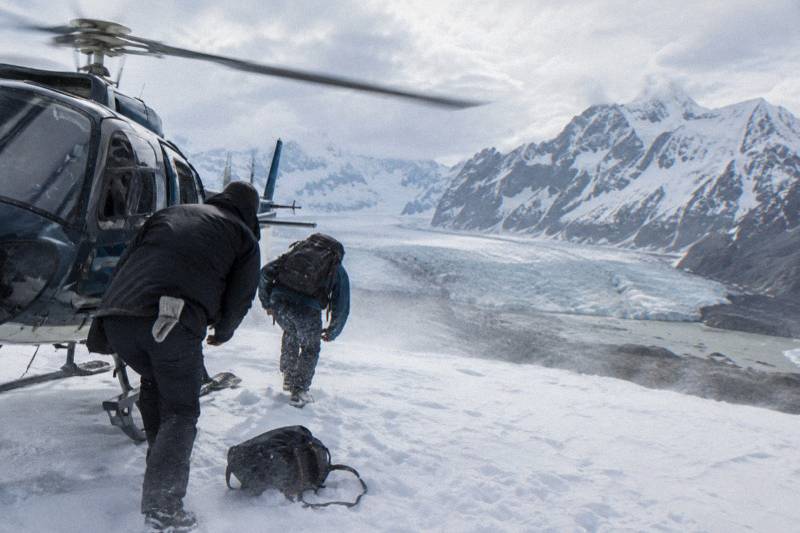
Motion Sickness On Mount Cook Flights: What To Expect
Nervous about ski plane motion sickness before a Mount Cook scenic flight? Flight times for the scenic flights covered here, how seats are assigned, why the landing changes the ride, and honest planning advice for travellers who worry about feeling queasy in the air.
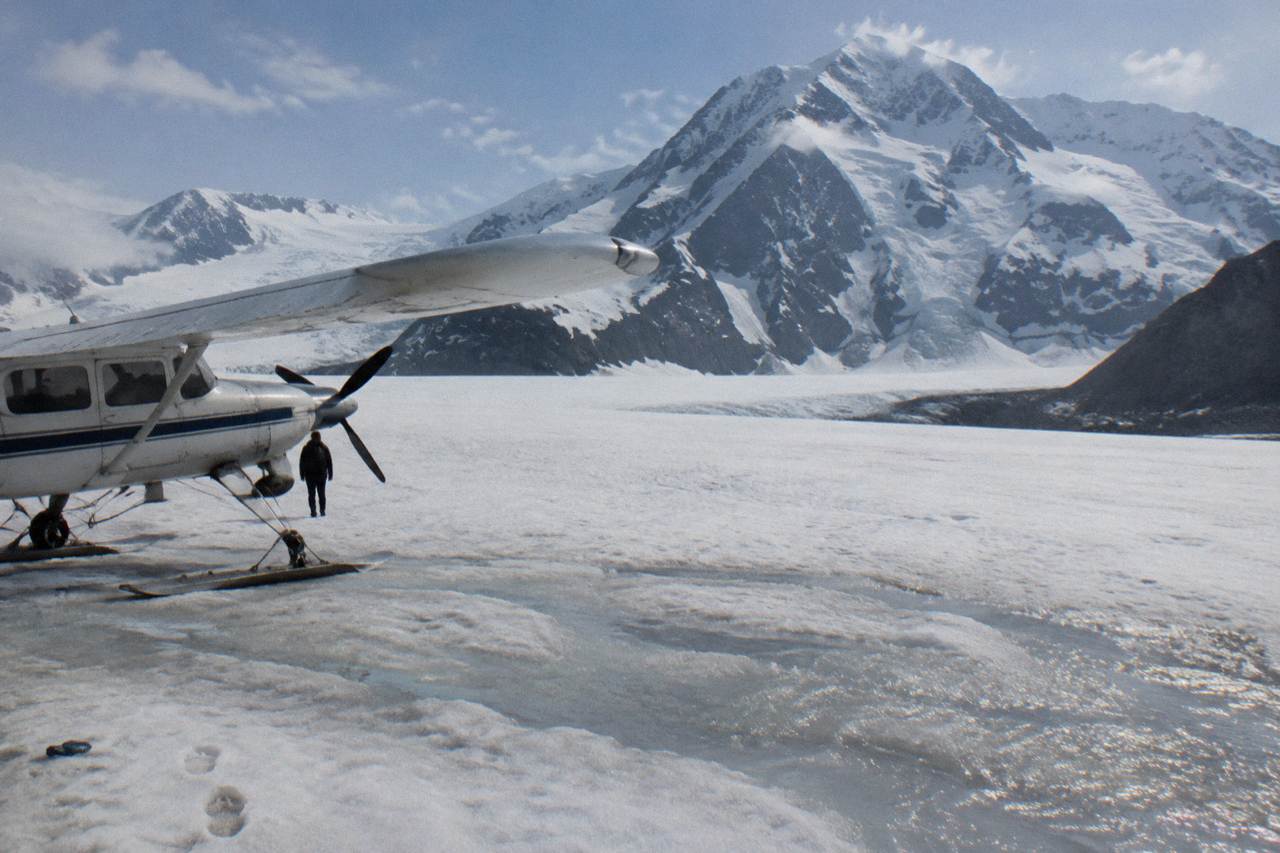
Short answer
No operator publishes motion sickness data, so honesty is the only option here. Flights over Aoraki / Mount Cook run from 25 minutes to about an hour, seats are assigned by the pilot for weight and balance rather than chosen, and a glacier landing breaks the flight into short legs. Ask the operator directly about your concerns before booking.
A nervous flyer deciding whether to book a flight over Aoraki / Mount Cook usually has one quiet question underneath all the others: will the ride make me sick? It is a fair question, and it deserves a straight answer rather than reassurance. The truth is that no operator flying out of Mount Cook Airport publishes motion sickness figures, so nobody can honestly quote you a percentage or tell you that these flights are always smooth. Alpine weather changes fast, flights are weather dependent, and the way a flight feels varies from day to day and person to person. Once you have weighed how your stomach might handle the ride, the guide to which side of the ski plane has the best view of Mount Cook explains how pilots assign seats and what each side actually shows.
What can be stated plainly: the flight lengths, the aircraft, the departure points and the landing arrangements, all of which shape how a flight feels to a queasy stomach. A 25 minute hop over the Tasman Glacier is a different proposition from a 55 minute crossing of the Main Divide, and a flight that lands on the snow has a natural pause in the middle that a continuous overflight does not. This guide lays out those facts, in the reporting voice of Mount Cook Ski Plane, and points to where a nervous flyer can shorten the odds.
Do Mount Cook Flights Cause Motion Sickness?
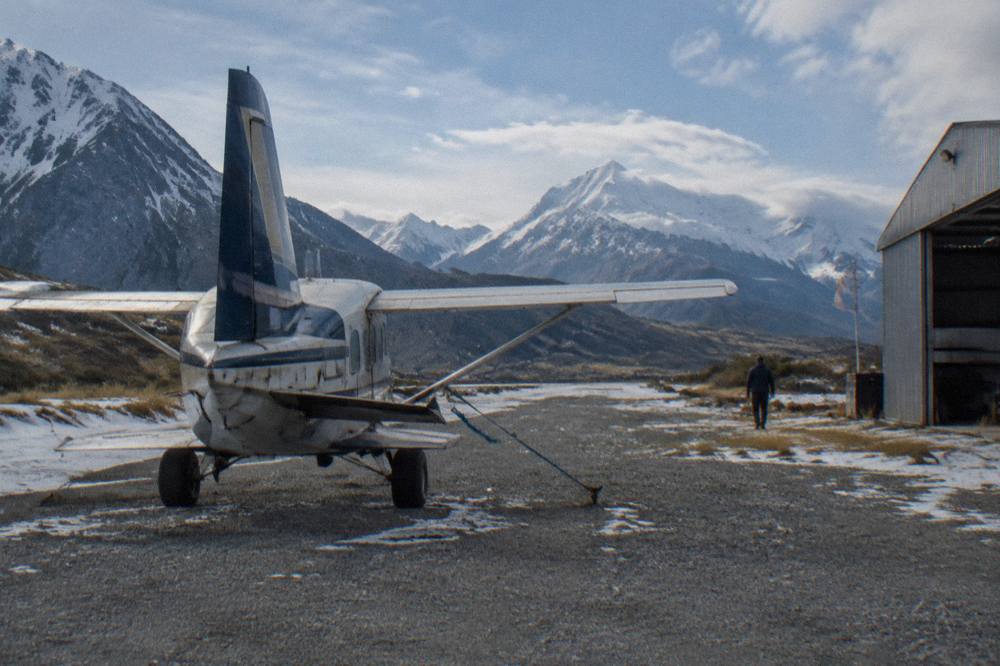
Motion sickness is possible on any small aircraft flight, and no operator flying from Mount Cook publishes data on how often passengers feel unwell, so no honest rate can be quoted here. What is known: the flights are short by airline standards, weather dependent, and seat assignment is made by the pilot rather than the passenger, which removes one common self help tactic from the table.
Small aircraft sit closer to the air beneath them than airliners, and the alpine air around Aoraki / Mount Cook is not always still. On a day with thermal activity or wind crossing the ranges, a light aircraft moves with it. On a calm morning the same route can feel like a slow drift. Operators fly seven days a week weather permitting, and the operator describes decisions about conditions coming as late as about 10 minutes before departure, which tells you something important: conditions, not marketing, decide what a flight feels like.
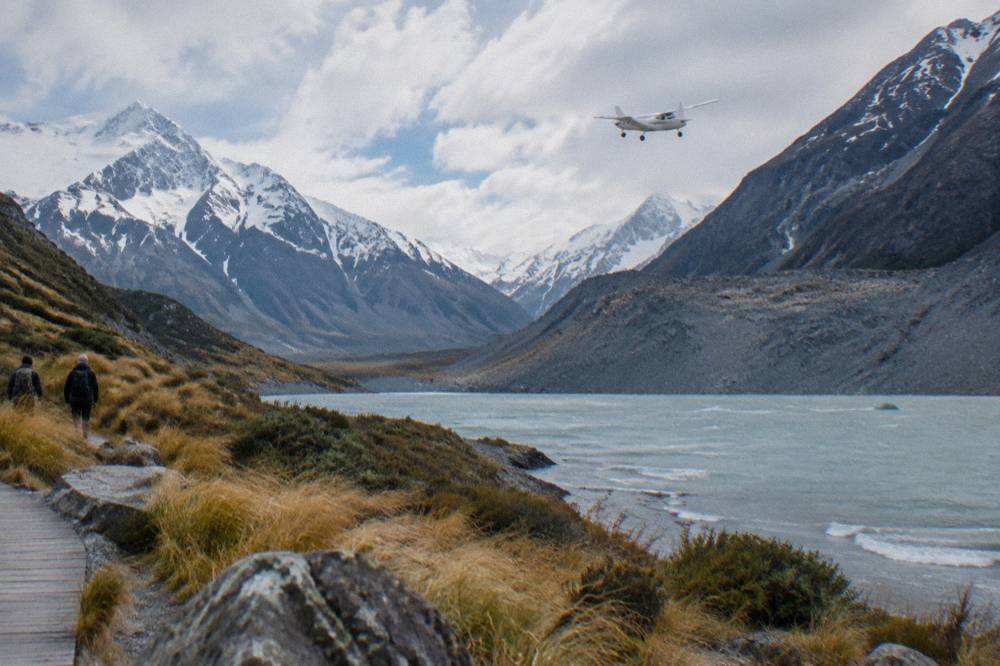
What nobody can print is a number. There is no verified statistic on how many passengers on Mount Cook flights feel queasy, and inventing one would be worse than saying nothing. The fair summary is that short flights, a landing that breaks the journey, and reasonable expectations give a nervous flyer the best realistic chance of enjoying the experience.
If you already know you are prone to motion sickness, say so when you book. Ask your operator directly when booking: about recent conditions, the typical ride quality in the season you are visiting, and what to do if a passenger feels unwell during the flight. The Mount Cook flight weather and cancellations guide covers the other half of that picture, how flying decisions get made.
Which Mount Cook Flights Are Shortest, And Does Length Matter?
Flight lengths in the options covered here run from 25 minutes to about 1 hour 5 minutes in total; time on the snow, where a landing is included, sits inside that total. For a nervous stomach, shorter generally means less exposure, and the cheapest landing flight, at $194 from 530 reviews, is also one of the shortest at 25 minutes of flying with an alpine landing.
Length is the one variable a nervous flyer controls completely, and the flights covered here span a wide band. At the short end, the Mount Cook scenic helicopter flight with alpine landing runs 25 minutes of flying, from $194 per person, rated 4.7 across 530 reviews. At the long end, the Grand Circle flights run 55 minutes, crossing the Main Divide toward the Fox and Franz Josef glaciers, from $453.82 per person. If nerves about heights are part of the picture too, the guide to Mount Cook flights for nervous flyers explains how aircraft size, landings, and seating shape the experience.
| Flight | Aircraft | Duration | Price from (USD, per person) | Reviews | Landing |
|---|---|---|---|---|---|
| Mount Cook: Scenic Helicopter Flight with Alpine Landing | Helicopter | 25 minutes | $194.00 | 530 (4.7) | Alpine landing |
| Mount Cook: Ski Plane and Helicopter Glacier Combo Flight | Ski plane + helicopter | 45 minutes | $277.00 | 378 (4.7) | Snow landing, 10 to 15 min on snow |
| 45-Minute Glacier Highlights Ski Plane Tour from Mount Cook | Ski plane | 45 minutes | $397.02 | 21 (5.0) | Snow landing, 10 to 15 min on snow |
| 55 minute Grand Circle Ski Plane | Ski plane | 1 hour 5 minutes total | $453.82 | 16 (5.0) | Snow landing, 10 to 15 min on snow |
| Lake Tekapo: 50-Minute Mount Cook and Beyond Scenic Flight | Fixed-wing | 50 minutes | $313.00 | 138 (4.9) | No landing, overflight |
For a closer read on how the ski plane options actually stack up, the Mount Cook ski plane reviews guide covers what visitors report and which flight suits which traveller.
Two honest observations follow from that table. First, the combo flight at $277, rated 4.7 across 378 reviews, splits its 45 minutes between two aircraft, a ski plane and a helicopter, with one landing on the Tasman Glacier and the other flying passengers back. A change of aircraft mid trip is a novelty for most people, but a nervous flyer might reasonably prefer the simplicity of one aircraft and one continuous flow. Second, the fixed-wing option from Tekapo is a pure overflight with no landing: every passenger has a window seat, and the full 50 minutes is spent in the air with no break.
A nervous flyer weighing them should treat the price gap between $277 and $453.82 as partly a duration question, and partly a routing one.
Does A Glacier Landing Help Or Worsen Motion Sickness?
A landing generally helps, because it breaks the flight into two shorter legs and puts you standing still on the snow for 10 to 15 minutes mid trip, though the approach and departure involve the most manoeuvring of the whole flight. Operators describe the landing site being confirmed on the day, and every landing is weather and pilot judgement dependent.
The structure of a landing flight matters more than the total minutes. On the 45 minute Glacier Highlights ski plane tour, the booking describes 45 minutes total, including 10 to 15 minutes on the snow during a standstill on the glacier. For a stomach that struggles after 20 continuous minutes of light turbulence, that pause is the single most helpful structural feature available in these flights. Nobody can promise the landing will happen, since conditions and the pilot's judgement decide on the day, but when it does, the flight stops being one long exposure and becomes two short ones.
The descent is the part worth being honest about. A ski plane landing on the Tasman Glacier involves slowing, banking and a steeper approach than cruising, and helicopters landing on a snowfield manoeuvre even more actively on approach. Some passengers find this the most engaging part of the flight, because the view fills the window and the aircraft is clearly doing something. Others find the manoeuvring the most unsettling segment. Both reactions are normal, and which one you have is not something any article can predict.
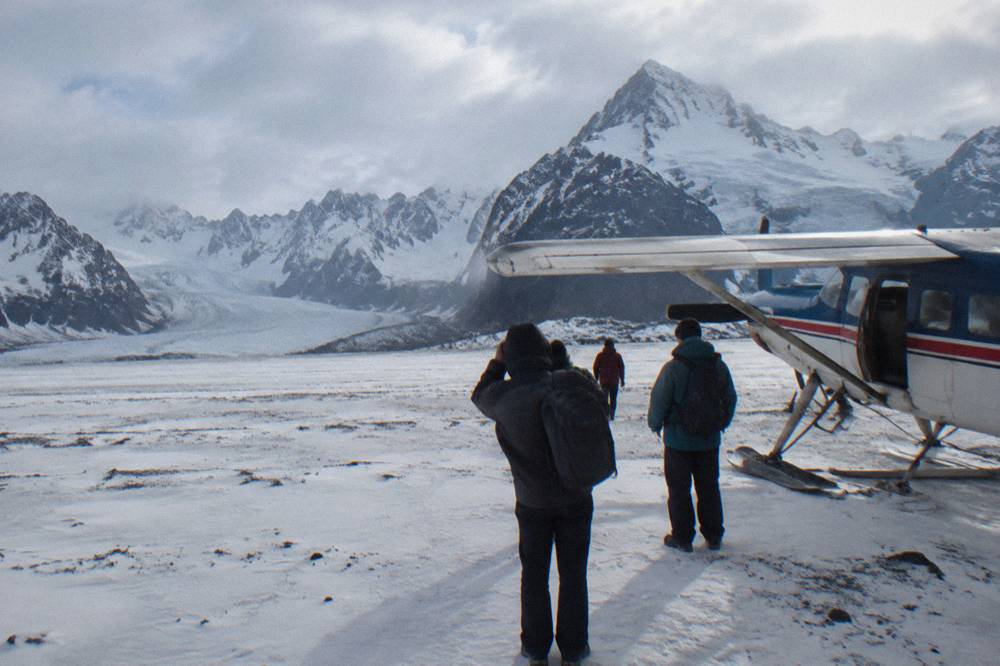
It is also worth knowing what kind of landing you are booking, because the terms are not interchangeable. An alpine landing touches down on a peak or ridge, where snow is never guaranteed, while a glacier landing sets you down on the glacier itself, giving more certainty of snow all year. On the 25-minute alpine landing flight from Mount Cook Airport, snow at the landing site is not guaranteed roughly December to March, so in summer the difference is not cosmetic. Both are real landings; they are simply different places.
Where Should You Sit On A Ski Plane Or Helicopter?
You cannot choose your seat. The operator assigns seats for weight and balance, passengers may be weighed at check-in, and the pilot's seating decisions are safety driven rather than comfort driven. Accepting this before arrival removes a common source of pre flight anxiety for nervous flyers who planned to grab a front row seat.
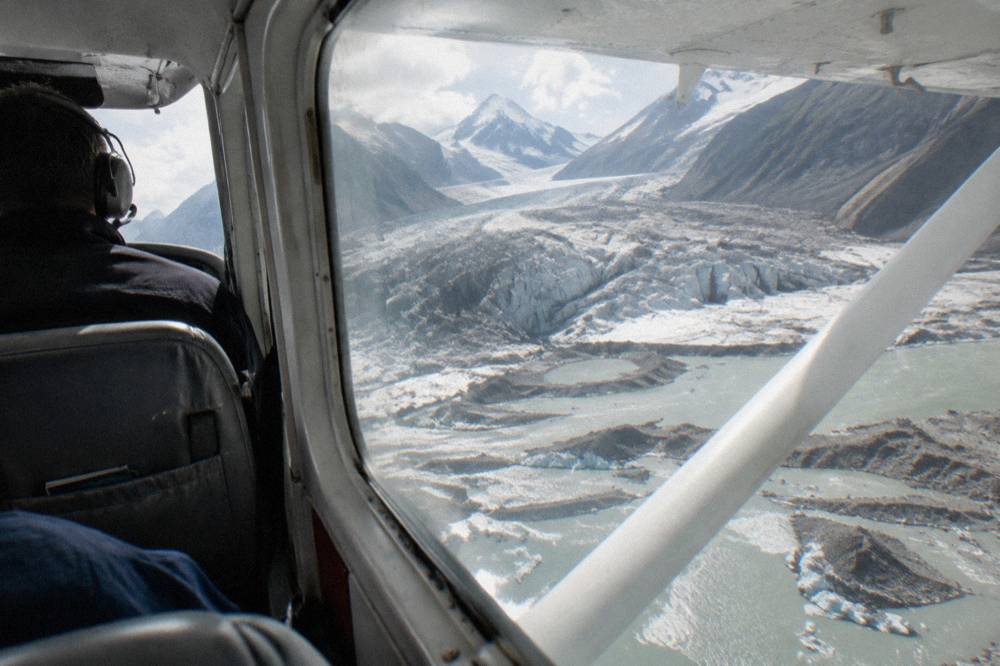
This is one of the facts nervous flyers most often want to change, and it is fixed. Seats cannot be chosen in advance; the pilot assigns them for weight and balance. The individual limit is generally 116 kg, and passengers may be weighed at check-in. The Pilatus Porter ski planes carry 9 seats, and the helicopters seat 5 to 7 depending on weight. The reason is physics: a small aircraft's centre of gravity shifts meaningfully with how people are distributed, and a poorly loaded aircraft is genuinely less safe.
The practical consequence is that any strategy built on "sit over the wing" or "get the front seat" does not apply here. What you can control is where you look during the flight. The general advice for motion sickness, looking at the horizon or a fixed distant point rather than at a phone, a book or the spinning propeller, works regardless of seat assignment, and on these flights the horizon is the Southern Alps. Sunglasses matter too, both for the strong glare off the snow and for comfortable distance viewing, and the operator's own packing guidance lists them.
Weight limits vary by operator, and where a booking page states one it is worth knowing before you arrive, since being close to a limit affects both check-in and, indirectly, where the pilot can place you.
| Flight | Aircraft | Seats As Stated | Weight Limit Per Passenger |
|---|---|---|---|
| 45-Minute Glacier Highlights Ski Plane Tour | Ski plane | 9-seat Pilatus Porter fleet | Not stated on this booking page; operator's general limit is 116 kg |
| 45-Minute Glacier Highlights Helicopter Tour | Helicopter | 5 to 7 depending on weight | 116 kg |
| Mount Cook: Mountains High 40-Minute Helicopter Flight | Helicopter | Not stated | 150 kg |
| Mount Cook Alpine Explorer Helicopter Flight | Helicopter | Not stated | 125 kg |
| Mount Cook and The Glaciers 55-Minute Helicopter Flight | Helicopter | Not stated | 165 kg |
Two other seating adjacent facts are worth folding in. Children are welcome at all ages, and an infant on a lap still needs a charged seat, so a nervous child is not a barrier to booking. And no drones or selfie sticks are allowed, which removes one more thing waving around the cabin. If your weight is close to the stated limit, the Mount Cook flight weight limits guide covers what is stated per flight.
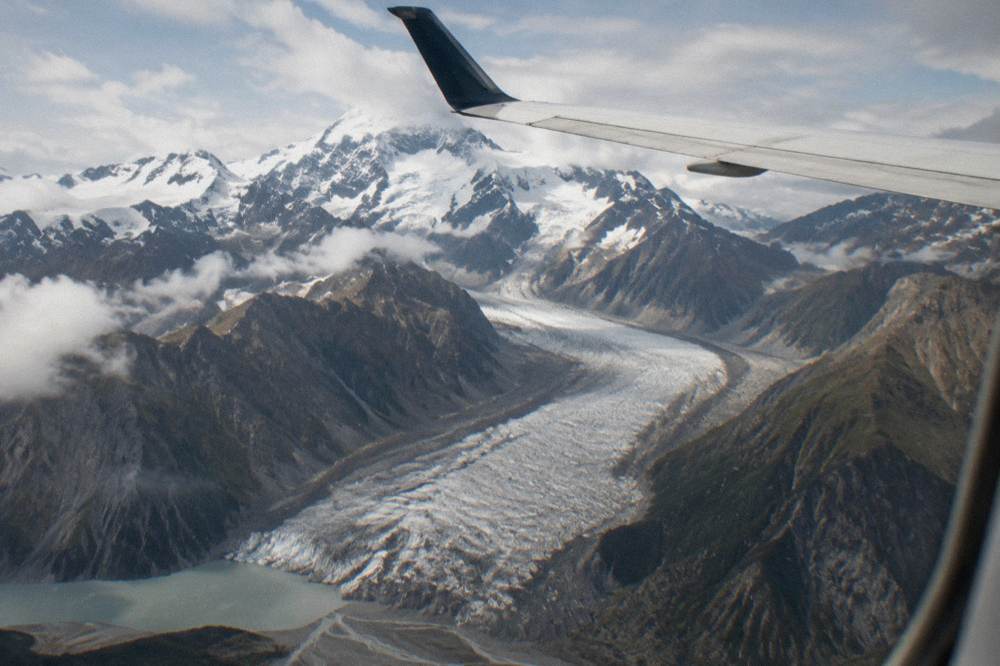
What Can You Do Before And During The Flight?
Reasonable, non medical preparation includes flying early in your stay so there is room to reschedule, eating lightly rather than arriving either full or empty, dressing in warm layers, and asking the operator in advance about your concerns. This site does not give medical advice, and anyone who takes motion sickness medication should ask the operator or a pharmacist how timing fits the flight.
The operator's own guidance contains the most useful single planning tip: book early in your stay, because alpine weather can cancel a flight and a booking on your last afternoon has nowhere to move. Weather decisions can come from early morning until about 10 minutes before departure, with notice the day before when a cancellation looks likely, and an operator weather cancellation means a full refund or a free reschedule. A nervous flyer benefits doubly from buffer days, since the stress of a no room to reschedule situation is its own kind of nausea fuel.
On the day, the practical list is short. Dress in warm layers with long pants, a light sweater or jacket, sturdy closed toed shoes and sunglasses, because landing sites are typically 1 to 3 degrees cooler than the airport. Eat something light beforehand rather than nothing, since an empty stomach is not a friend to anyone prone to queasiness. During the flight, keep your eyes on the mountains and the horizon, breathe normally, and tell the crew immediately if you feel unwell rather than toughing it out quietly.
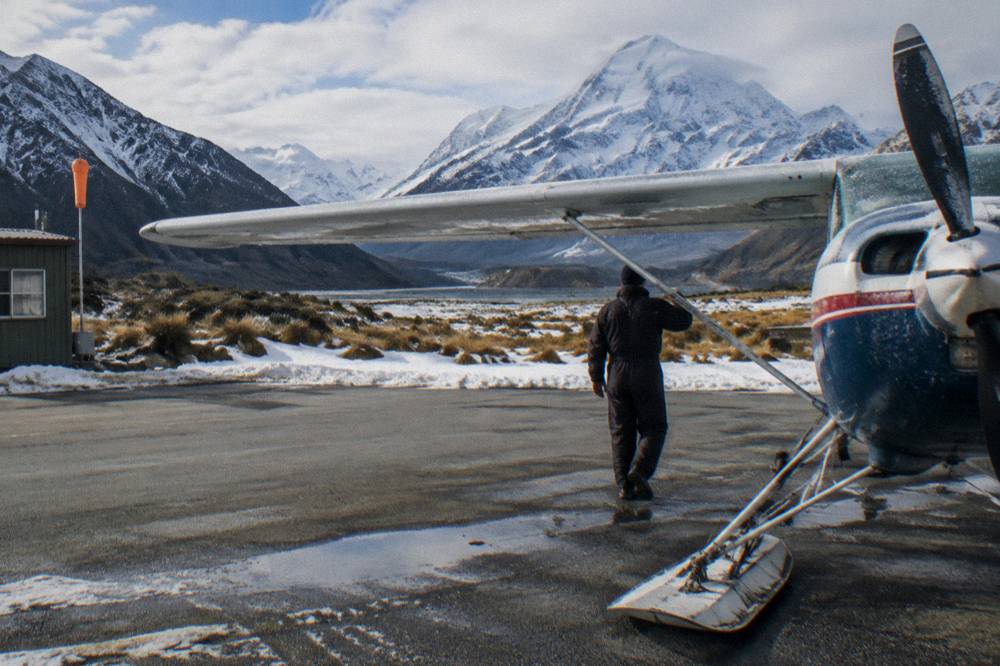
The mountain weather forecast is public and worth reading the evening before your flight: MetService publishes a dedicated mountain and park forecast for Aoraki / Mount Cook at metservice.com. A forecast showing strong winds over the ranges tells you what kind of day it is likely to be, and DOC's page for the park, Aoraki / Mount Cook National Park, covers the wider conditions context. Neither is a flight decision, only the operator makes that, but both help a nervous flyer feel less in the dark. For what to pack beyond the layers, the what to wear on a ski plane flight guide has the full list.
What If You Feel Unwell During Or After The Flight?
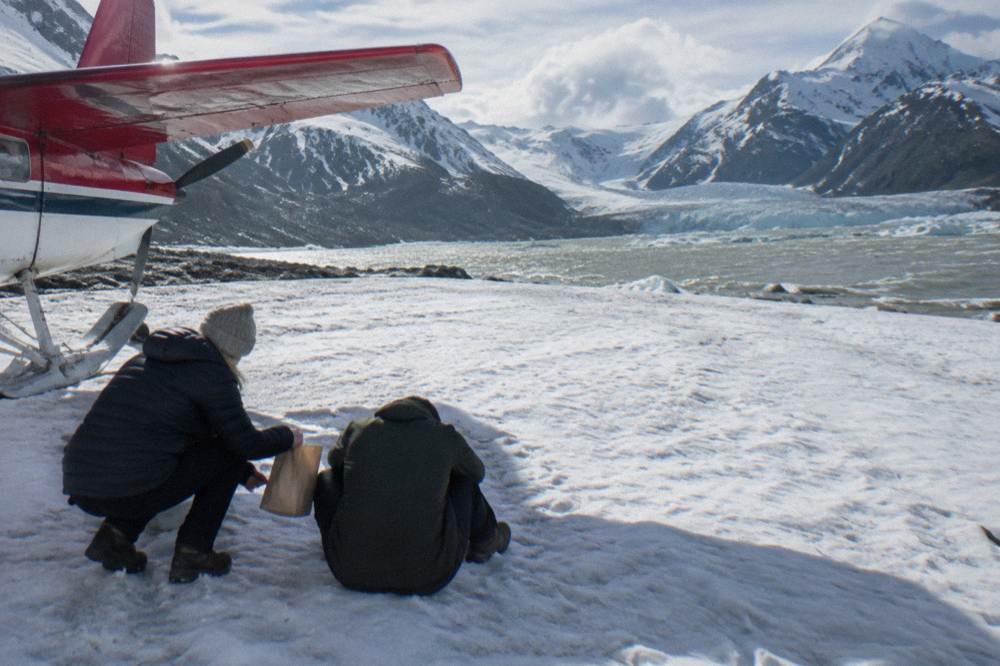
If your stomach starts acting up, tell the crew during the flight rather than waiting until you are back on the ground. If symptoms persist well beyond that, or you have a condition that worries you, treat it as a medical question and ask a pharmacist or doctor rather than a travel article.
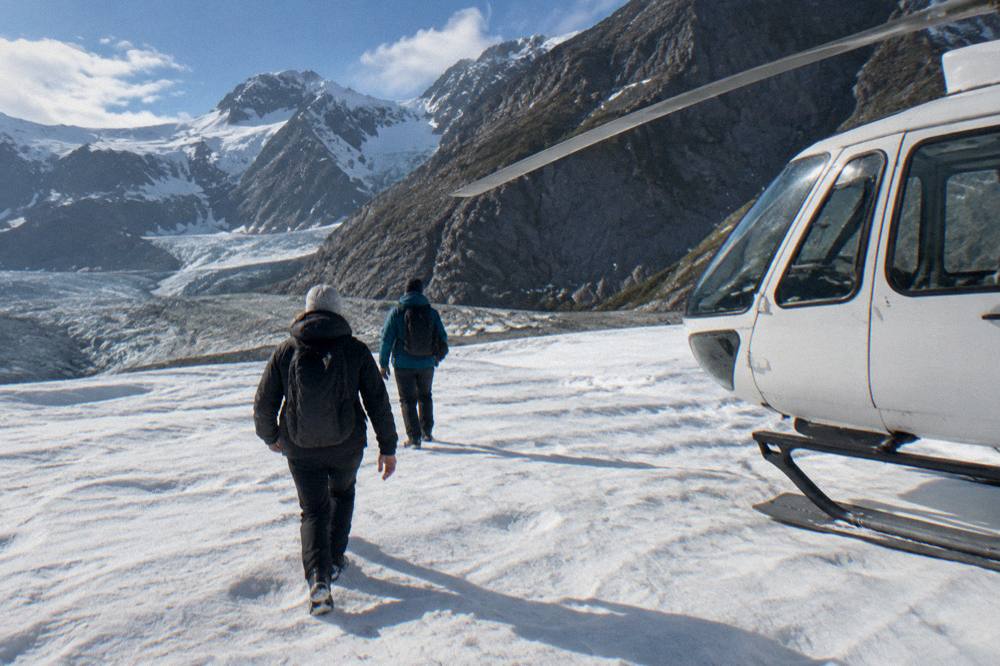
The during flight part is simple courtesy to yourself. The aircraft are small, the crew is metres away, and saying two words early is better than ten minutes of silent misery. The pilots who fly these routes deal with altitude, manoeuvring and weather every working day; a queasy passenger is not a surprise to them. If the flight includes a landing, the pause on the snow is often where a mildly uneasy stomach settles completely, standing on a glacier is a powerful distraction.
After landing, the standard pattern for ordinary motion sickness is fairly quick recovery once you are on stable ground. Walking around the airport, fresh air and water cover most of it. This site reports on flights, not medicine, so nothing here should be read as clinical advice, and the same goes for remedies: ginger tablets, wristbands and over the counter tablets all have their advocates, but the operator does not publish guidance on them and neither will this page. If you use a motion sickness tablet that needs taking in advance, work out the timing with a pharmacist against your flight's departure window, and ask the operator when you book whether they have advice for nervous flyers.
One structural point deserves repeating because it is the honest answer to most nervous flyer questions: a booking made through the booking page carries free cancellation with a full refund up to 24 hours before start, and if weather cancels a flight, the fare is refunded. Terms between the operator's own site and booking pages differ, and the booking page terms apply to a booking made there, so read the terms attached to your own booking. The flight cancellation and weather guide walks through the mechanics in full.
Should A Nervous Flyer Book A Mount Cook Flight At All?
For most nervous flyers the honest answer is yes, with structure: choose a short flight or one with a landing, book early in the stay for reschedule room, tell the operator about your concerns, and accept that seats, weather and landing sites are decided on the day. No one can promise a smooth ride, and no operator claims to.
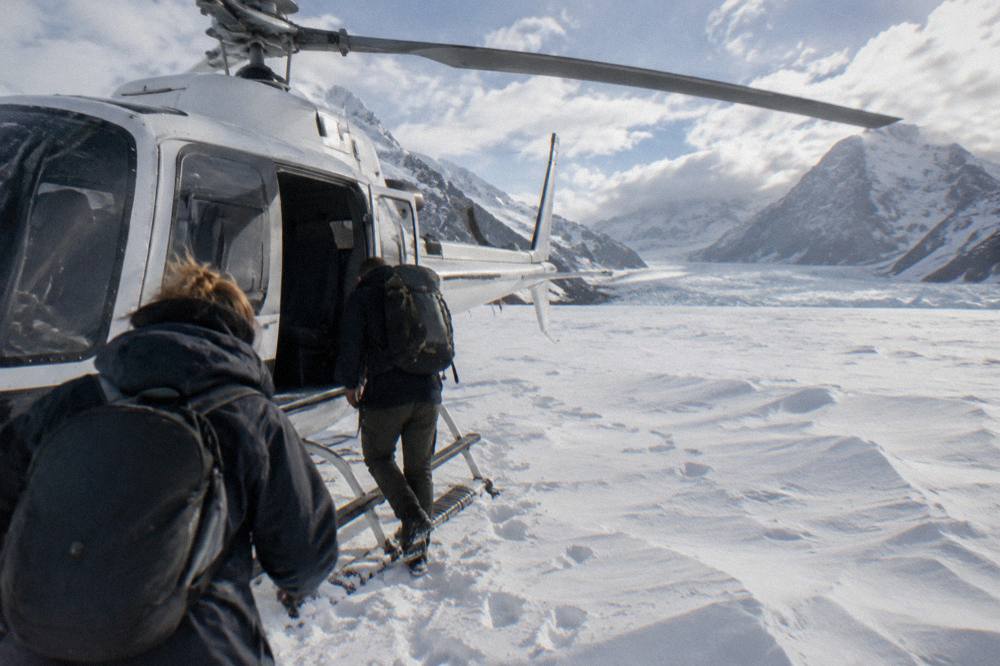
Look at what the decisions actually are. With 530 reviews at 4.7, this is also the shortest landing flight at 25 minutes of flying, from $194 per person. That combination, short, popular and landing inclusive, is the natural first booking for someone unsure about their stomach. From there, the honest ladder runs up through the 45 minute Glacier Highlights ski plane at $397.02, rated 5.0 across 21 reviews, to the Grand Circle ski plane at $453.82 across 16 reviews, a 55 minute flight within 1 hour 5 minutes in total, each adding minutes and terrain. The operator's own site, mtcookskiplanes.com, describes each route in their own words, so a nervous flyer can read exactly what to expect before booking.
| If You Are Worried About | Consider | Why |
|---|---|---|
| A long time in the air | 25 minute helicopter flight with alpine landing, $194, 530 reviews | Shortest flying time of the landing flights covered here |
| Continuous motion with no break | Any flight with a glacier or snow landing, 10 to 15 minutes on snow | The landing splits the flight into two short legs |
| Small aircraft generally | Fixed-wing from Tekapo, 50 minutes, $313, 138 reviews | Window seat for every passenger, but no landing |
| Changing aircraft mid trip | A single aircraft tour rather than the combo | One cabin, one flow, one continuous experience |
| Missing your only chance | Book on day one or two of your stay | Weather cancellations can be rescheduled within your stay |
The one thing not to do is let the fear decide silently. Ask the operator the direct question when you book: I get motion sick on boats and buses, how do people find these flights? They cannot quote statistics either, but they fly every day and know their aircraft and routes in a way no article can. Between their answer, a short or landing inclusive flight, and buffer days in your itinerary, a nervous flyer is making the decision with the best information that actually exists.
One last framing for the decision. Aoraki / Mount Cook stands 3,724 m tall and Tasman Glacier runs 23 km, facts from the Department of Conservation, and the flights covered here are among the only ways to stand on that glacier without mountaineering gear. Nervousness is a real cost and nobody should pretend otherwise. But the cost of a 25 minute flight with a landing, taken early in the stay with a reschedule buffer, is a calculated risk that thousands of passengers clearly judged worthwhile, judging by the review counts alone.
For context on how these flights sit against other options in the region, the Mount Cook scenic flight overview compares routes and aircraft, and the ski plane versus helicopter comparison addresses the aircraft question directly, since the ride feel differs between the two.
Common Questions About Motion Sickness On Mount Cook Flights
Do Mount Cook Flights Cause Motion Sickness?
Motion sickness is possible on any small aircraft flight and no operator publishes data on how often passengers feel unwell on these routes, so no honest rate can be quoted. Flight lengths run from 25 minutes to about an hour, conditions vary day to day, and no operator promises a smooth ride.
Does A Glacier Landing Help Or Worsen Motion Sickness?
A landing generally helps because it breaks the flight into two shorter legs with 10 to 15 minutes standing still on the snow between them. The approach and departure involve the most manoeuvring, which some passengers find engaging and others find unsettling. Every landing depends on weather and the pilot's judgement on the day.
Can You Choose Your Seat On A Ski Plane Or Helicopter Flight?
No. Seats are assigned by the pilot for weight and balance, and passengers may be weighed at check-in. Individual weight limits vary by operator and tour, from 116 kg on Mount Cook Ski Planes flights up to 150 kg on The Helicopter Line heli hike from Mount Cook Airport.
What Helps A Nervous Flyer Before The Flight?
Book early in your stay so a weather cancellation can be rescheduled, eat lightly rather than arriving full or empty, dress in warm layers with sunglasses, and tell the operator about your concerns when booking. During the flight, keep your eyes on the horizon and tell the crew early if you feel unwell.
Which Mount Cook Flight Is Shortest?
Among the landing flights covered here, the scenic helicopter flight with alpine landing is shortest at 25 minutes of flying, from $194 per person, rated 4.7 across 530 reviews. Ski plane tours run 45 minutes; the Grand Circle helicopter is 55 minutes, the ski plane a 55-minute flight, 1 hour 5 minutes in total.
What Happens If The Flight Is Cancelled For Weather?
An operator weather or operational cancellation means a full refund or a free reschedule, and a booking made on the booking page carries free cancellation with a full refund up to 24 hours before start. Decisions can arrive any time from early morning until about 10 minutes before departure, with notice the day before when a cancellation is likely.