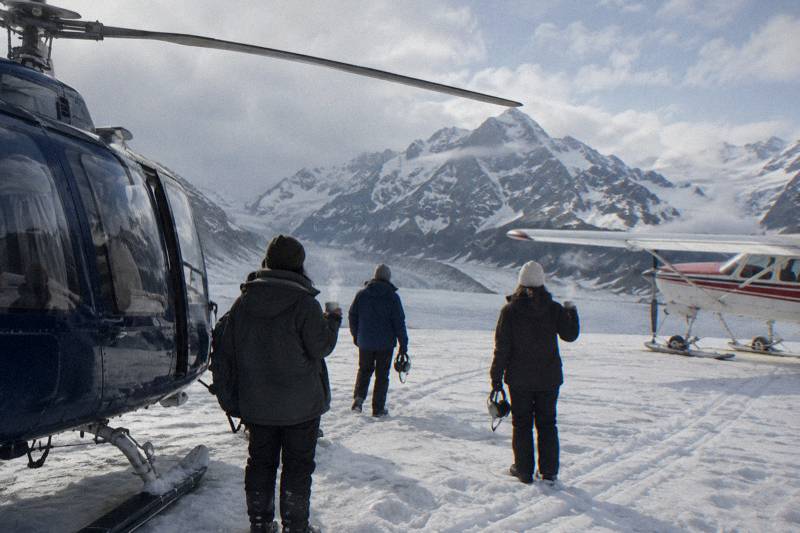
What To Wear On A Ski Plane Or Helicopter Flight At Mount Cook
The right outfit for a ski plane flight over Aoraki / Mount Cook is simple: warm layers, sunglasses, and sturdy closed-toe shoes. Landing sites run 1 to 3 degrees cooler than the airport, and snow glare off the glacier is strong even on a mild day.
Short answer
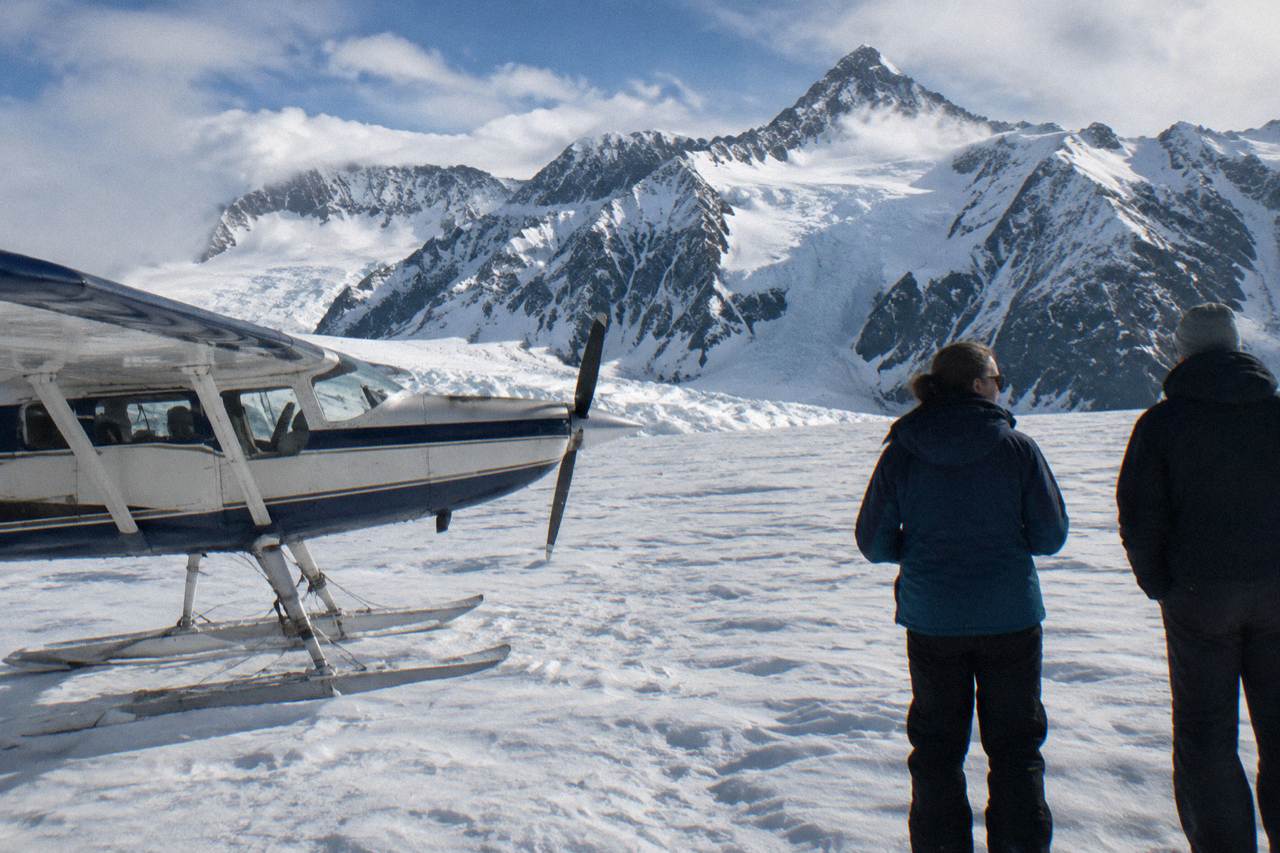
Dress in warm layers with long pants, bring sunglasses for strong snow glare, and wear sturdy closed-toe shoes for the snow landing. Landing sites on the Tasman Glacier are typically 1 to 3 degrees cooler than the airport. Flights from Aoraki Mount Cook Airport on SH80 start from $277 per person for a 45-minute combo.
Aoraki / Mount Cook is the highest peak in New Zealand, and flights from Aoraki Mount Cook Airport sweep above the Tasman Glacier, the country's largest. Landings depend on the weather, and some routes touch down on alpine terrain rather than the ice. What surprises many passengers is not the view but the temperature swing. The airfield on SH80 can feel mild, and a short flight later you can step out onto snow or bare alpine rock, landings always weather permitting, the light bouncing off the ice from every direction. The fix is simple and cheap: layers, sunglasses, and shoes with grip. This guide sets out exactly what the operators advise, what the conditions on the glacier actually do, and what to leave in the car.
The clothing advice here draws on the operator guidance for flights from Aoraki Mount Cook Airport, where the ski plane operation has run since 1955, and on the practical realities of a snow landing at altitude. Operators describe the region as the only place in the Southern Hemisphere with year-round glacier landings by ski plane, which is exactly why the outfit matters: this is not a mild scenic hop over farmland, it is a landing on active ice. Mount Cook Ski Plane covers every flight option in the region, and this page handles the one question that arrives the night before departure, when the booking is made and the suitcase is open.
What Should You Wear On A Ski Plane Flight At Mount Cook?
The core outfit is warm layers on top, long pants on the bottom, sunglasses, and sturdy closed-toe shoes. Dress in warm layers, with a light sweater or jacket over a base layer rather than one thick coat, so you can adjust once you step onto the snow. A camera or phone completes the kit. Nothing technical is needed, and there is no requirement to buy ski clothing for a 45 minute flight.
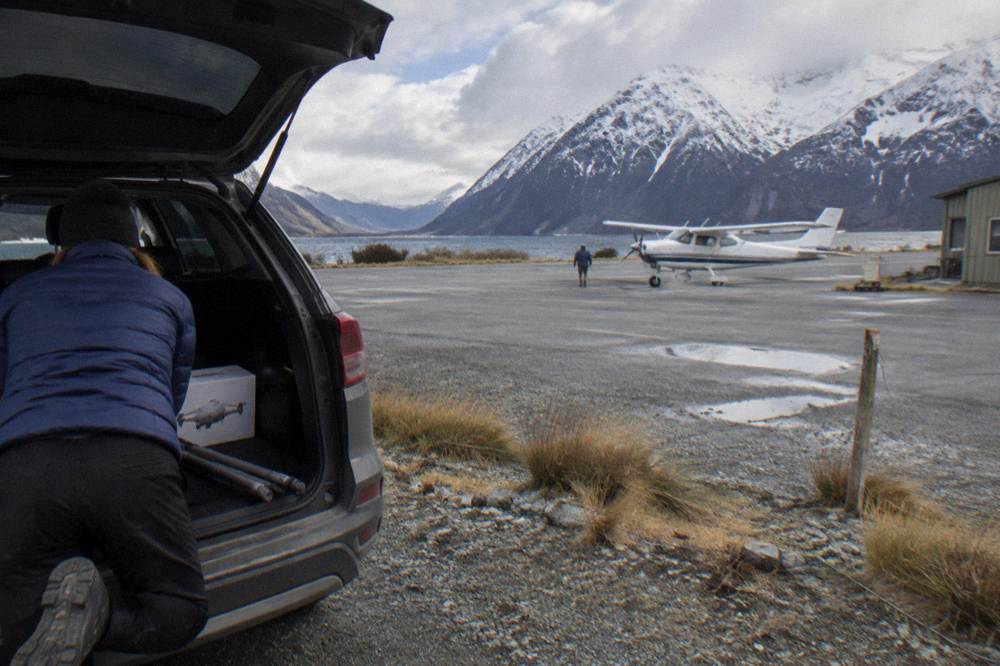
Start with the top half. Two or three light layers beat one heavy parka, since you sit inside the aircraft for most of the flight and only step out onto the glacier for the landing. A base layer or long sleeve shirt, a light sweater or jacket, and a windproof outer layer give you three settings: everything on for the snow, the outer off in the cabin, and the sweater only for the walk across the airfield. The ski planes are Pilatus Porter aircraft with nine seats, and the helicopters seat five to seven depending on weight, so cabins are small and warm quickly with a full load.
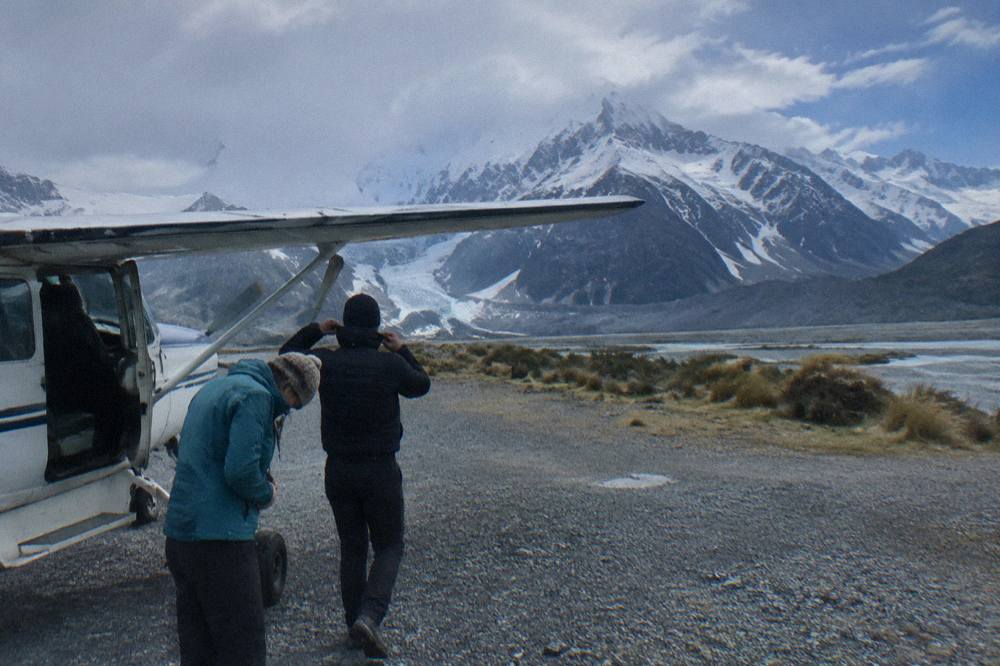
Long pants, not shorts. Even in summer, the glacier surface reflects heat away and wind can strip warmth from bare legs within minutes of stepping out. Jeans deserve a specific mention later in this guide because of the heli-hike, but for a scenic flight with a snow landing any comfortable long trouser works: hiking pants, tracksuit pants, or travel trousers all do the job. A hat and gloves are worth the small space they take in a daypack. Sunglasses are not optional, and the section on glare explains why.
The layering logic is easiest to see side by side. The table below is the planning version of the operator's advice, item by item.
| Item | Operator advice | Why it matters on the glacier |
|---|---|---|
| Base layer and light sweater | 3 to 4 layers applies to the heli hike only | You can always shed a layer once aboard, but you cannot add one you left behind |
| Long pants | Long pants advised, no shorts | Wind on the ice cools bare skin fast |
| Sunglasses | Strong snow glare is expected off the ice | The glacier reflects light from below as well as above |
| Closed-toe sturdy shoes | Sturdy closed-toe shoes advised | Snow surface at the landing site, and steps into the aircraft |
| Hat and gloves | Worth carrying in a daypack | Landing sites are cooler than the airport |
| Camera or phone | Bring one | Landing time is short, generally 10 to 15 minutes |
To see how past passengers rate each of these flights, the Mount Cook ski plane reviews breakdown covers the feedback and which tour suits which type of traveller.
How Much Colder Is It On The Glacier Than At The Airport?
Landing sites on the Tasman Glacier are typically 1 to 3 degrees cooler than the airport, which is a smaller gap than most people expect. The bigger factors are wind and glare rather than raw temperature: a breeze on the ice can make 3 degrees feel like considerably less, and the reflected light does the rest. This is why layers matter more than an expensive expedition coat.
The 1 to 3 degree figure comes from the operator's own guidance, and it reframes the packing question. You are not dressing for an Antarctic plateau. You are dressing for a short stand on snow, generally 10 to 15 minutes, inside the total flight duration, in air that is only a few degrees colder than where you took off. The scenarios that catch people out are the two extremes: summer visitors in shorts and a t-shirt who find the wind biting, and winter visitors in full ski gear who overheat in the cabin before the flight is half over.
Wind is the honest variable. The operator confirms the exact landing site on the day, and an exposed site with a breeze will feel far colder than the thermometer suggests. A windproof outer layer is the single most useful item on the list, more useful than a thicker jumper, because it blocks the chill without turning the cabin into a sauna. If you own a light windshell or softshell, bring it. If not, any light jacket with a zip does the work.
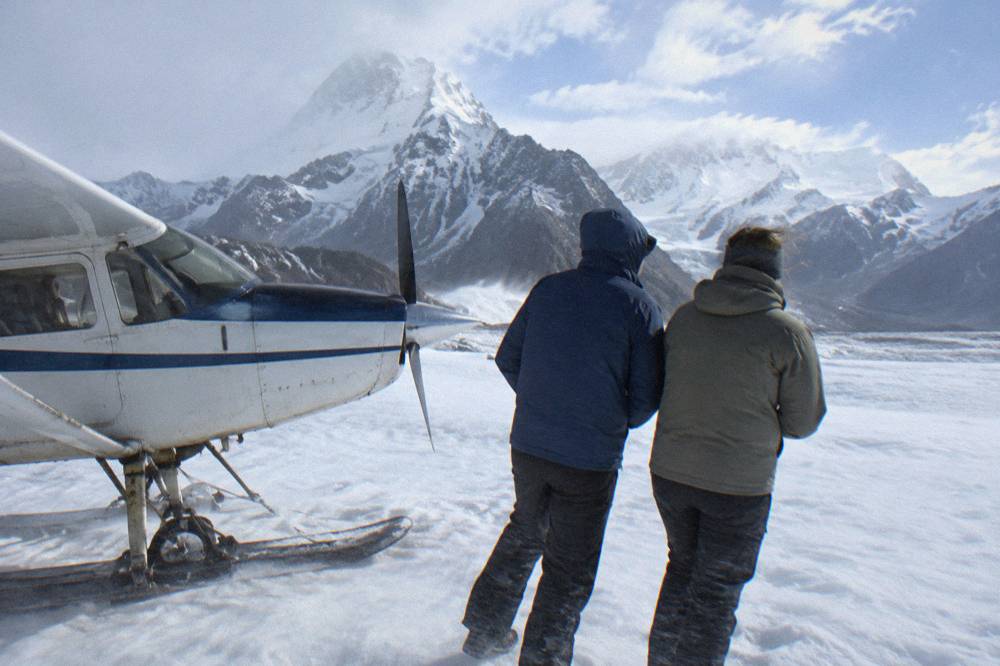
The other consideration is that you may be waiting outdoors at the airfield before boarding and after landing. Warm layers serve those minutes too. Arrive by the check-in time in your booking email, dressed and ready, rather than planning to change at the airport.
How the temperature picture stacks up against the rest of the day is easiest to read as a short comparison of the environments you move through.
| Environment | Temperature relative to the airport | What it means for clothing |
|---|---|---|
| Airfield tarmac before boarding | The baseline | Layers you can open while waiting outside |
| Aircraft cabin in flight | Warmer than baseline, dress in layers | Shed the outer layer, keep the sweater |
| Landing site on the glacier | Typically 1 to 3 degrees cooler | All layers on, plus hat and gloves |
| Landing site with wind | Feels colder than the raw figure | Windproof outer layer earns its place |
Do You Need Snow Boots Or Will Normal Shoes Do?
Sturdy closed-toe shoes are what the operators advise, and most passengers do not need dedicated snow boots. You land on snow, sometimes soft underfoot, and step out of the aircraft for roughly 10 to 15 minutes on the glacier. Sneakers with reasonable tread work in most conditions; the shoes that fail are smooth-soled dress shoes, sandals, and anything with a heel.
Think about what your feet actually do on this flight. You walk across the airfield tarmac, climb a few steps into the aircraft, sit for the flight, then step out onto snow for the landing. The snow at a prepared landing site is firm underfoot rather than deep powder, so the risk is slipping, not sinking. A shoe with grip and a closed toe handles both. Hiking shoes or trainers with a decent tread pattern are the sweet spot.
Ski boots are actively a bad idea. They are heavy, hot in the cabin, and awkward on aircraft steps. Save them for the ski field. Similarly, brand new boots with unbroken soles give less grip than an older pair you trust. If you are touring New Zealand with only a suitcase of summer shoes, a cheap pair of trainers bought anywhere in Twizel or Tekapo will serve better than any elegant alternative, and Twizel is an hour from the airport by road.
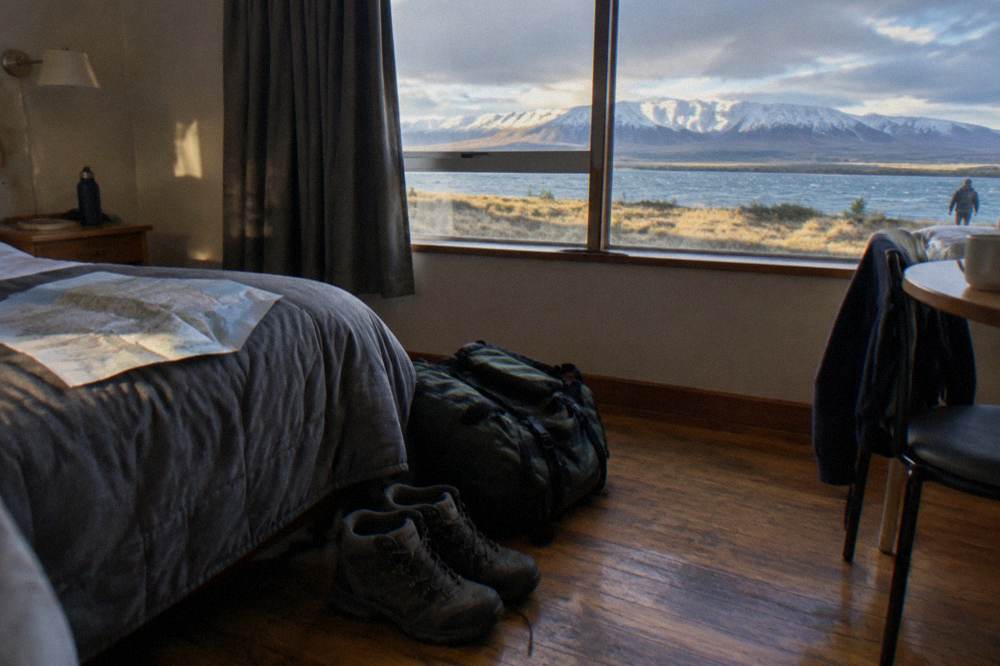
The shoe question changes completely for the heli-hike. The 3 hour Tasman Glacier heli hikes, one run with Mt Cook Glacier Guiding and one with The Helicopter Line, both from $552 per person, put you on the ice for up to 2 hours, and those operations provide proper equipment rather than expecting you to bring it. For the scenic flights with a snow landing, ordinary sturdy shoes are the honest answer. The table below sorts the common footwear choices into what works and what does not.
| Footwear | Works for a snow landing flight | Why |
|---|---|---|
| Hiking shoes or boots with tread | Yes | Grip on firm snow, comfortable in the cabin |
| Trainers or sneakers with decent tread | Yes | The most common choice and entirely adequate |
| Trail running shoes | Yes | Light, grippy, quick to shed snow |
| Smooth-soled dress shoes | No | Slip on snow and wet aircraft steps |
| Sandals or jandals | No | Bare skin, cold feet, no grip |
| Ski boots | No | Hot, heavy and awkward in a small cabin |
Can You Wear Jeans On A Glacier Flight?
For a scenic ski plane flight with a snow landing, yes, jeans are fine: they are long pants and they meet the operator's clothing advice. The firm no-jeans rule applies to the heli-hike, where operators tell walkers to wear warm trousers and specifically exclude jeans, because denim holds moisture and stiffens against the boots and crampons used for up to 2 hours on the ice.
The distinction matters because the two experiences are often confused. A scenic flight with a landing, such as the 45 minute Glacier Highlights ski plane tour from $397.02 per person, keeps you on the snow for a short, supervised stand near the aircraft. Denim does that job adequately. The heli-hike is a different product: after a 15 minute helicopter flight each way, you spend up to 2 hours walking on the glacier wearing provided boots and crampons, and the operator's clothing list for that trip asks for warm trousers with jeans named as the thing to avoid.
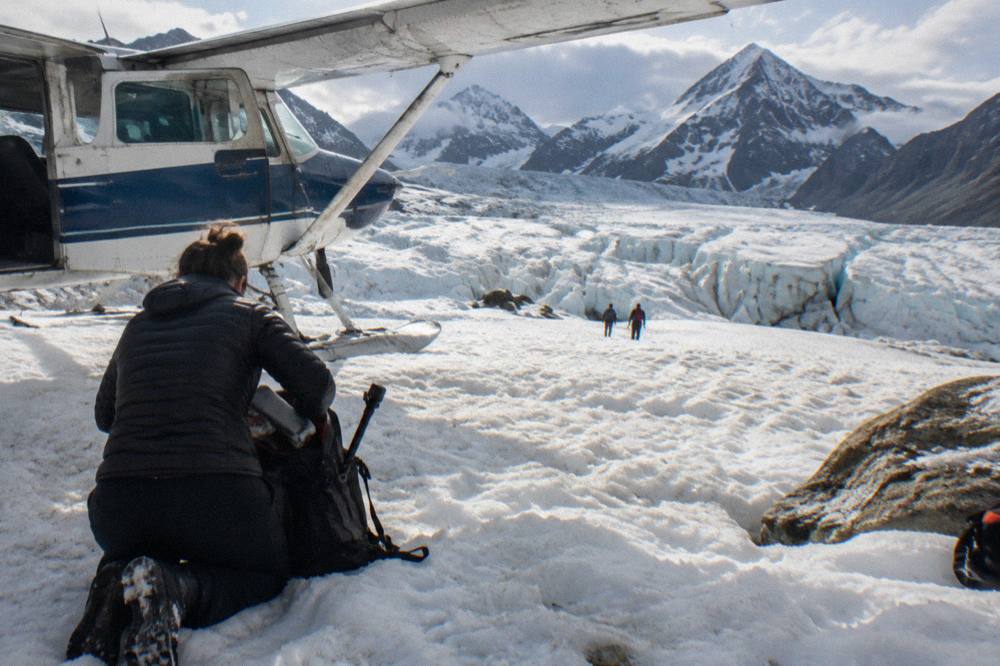
Why the difference? Denim absorbs water and dries slowly. On a short scenic landing, any dampness is gone before it matters. On a hike, sustained contact with wet ice and snow soaks the fabric, and cold, wet denim against skin for two hours is genuinely unpleasant and borderline unsafe. Synthetic hiking trousers or thermal leggings under a shell are the standard recommendation for the hike, and they are perfectly fine for the scenic flights too, so if you own a pair, wear it for both.
The same logic governs the rest of the outfit for the hike: the operator advises 3 to 4 warm layers, warm trousers, a hat, gloves and a daypack, with a minimum age of 9 and parental consent for anyone under 18. If your itinerary includes both a scenic flight and a hike, pack for the hike and you will be over-dressed, never under-dressed, for the flight.
What Should Children Wear On A Mount Cook Flight?
Children are welcome at all ages on the ski plane flights, and an infant on a lap still needs a charged seat, so the outfit advice applies to the whole family. Dress children in the same warm layers, long pants and closed-toe shoes as adults, with gloves and sunglasses as the two items parents most often forget. Pack sunglasses for children too, and make sure they fit before the flight.
The family packing logic is simpler than it looks. Children run warm in the aircraft and cool fast on the snow, so layering serves them even better than it serves adults: a base layer, a sweater they can remove in flight, and a windproof jacket for the landing. Small gloves matter because children's hands are the first thing on the snow if they kneel or reach down, and a spare pair is cheap insurance against a lost mitten ending the fun.
Sunglasses are the item to take seriously. The glare off a glacier in full sun is intense for adults and more so for children, and a cheap pair of kids sunglasses with a strap keeps them on through the flight. If your child wears glasses, a pair of fit-over shades or a brimmed hat helps. Sunscreen on the face is worth a minute of effort too, because reflected UV from below reaches the chin and underside of the nose, spots that normally escape the sun.
The site's wider guide to Mount Cook flights with kids covers ages, seating and how the pilot assigns seats for weight and balance, which is the other thing families ask about before departure. On clothing specifically, the answer is refreshingly ordinary: dress the child as you would dress yourself, then add spare gloves.
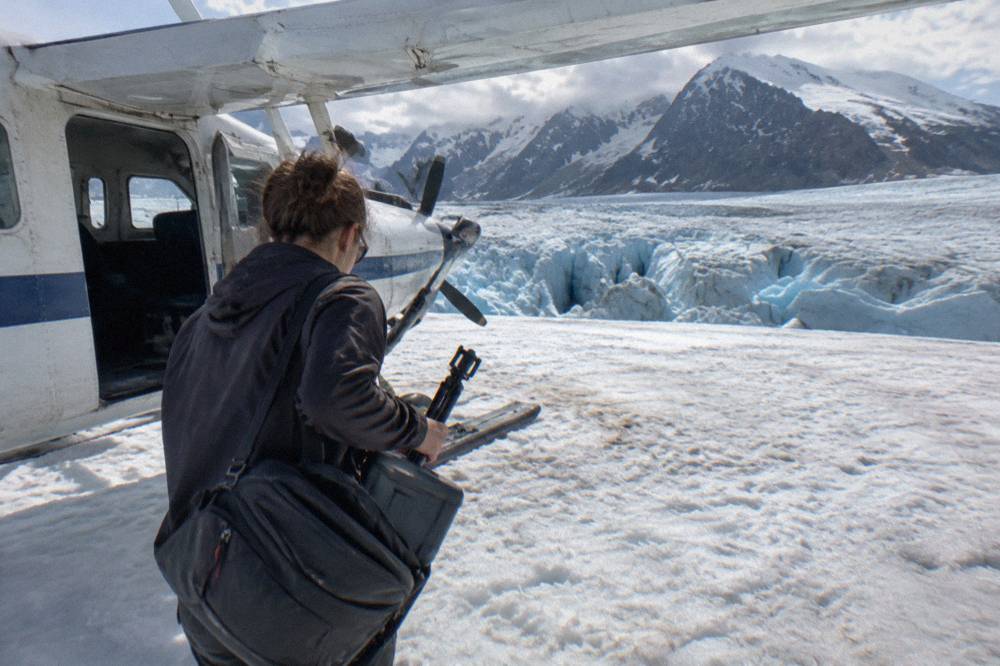
What Items Are Not Allowed On The Aircraft?
Keep hats, scarves and anything else loose secured before you step near the aircraft. Spinning propellers and rotors leave no room for stray items on the ground. Beyond those, the practical restrictions are about space and weight: the individual weight limit is generally 116 kg, passengers may be weighed at check-in, and seats are assigned by the pilot for weight and balance rather than chosen.
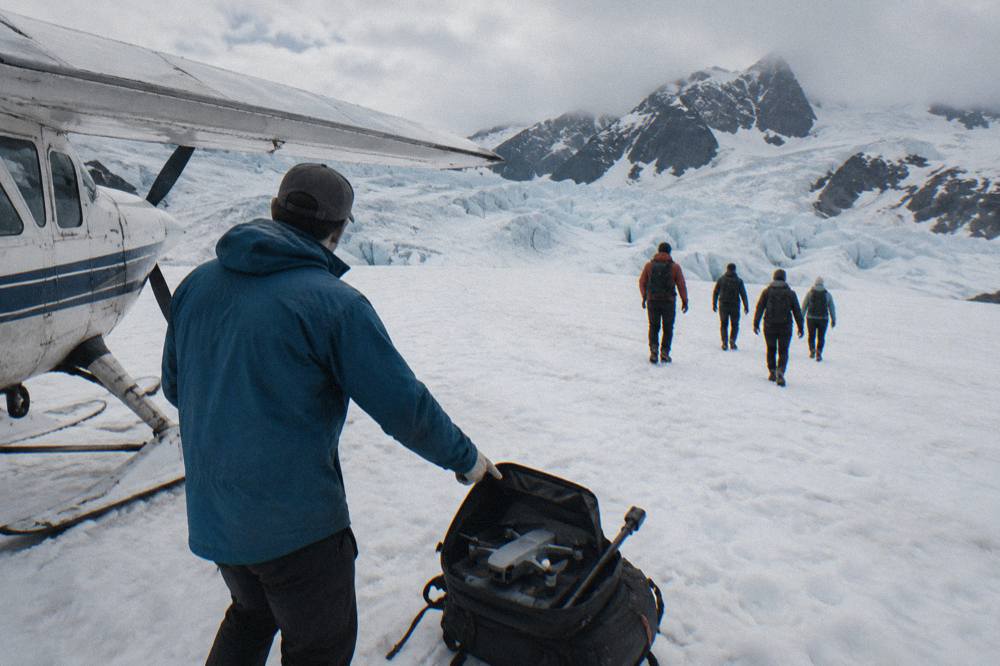
The drone ban is worth understanding rather than just obeying. Aircraft in the park operate in a shared alpine airspace, and a small drone near a ski plane on final approach is a genuine hazard, not a formality. National park rules also restrict drone use independently of the operator's policy, so a flight ban at the airfield is consistent with the wider rules around Aoraki / Mount Cook National Park. Leave it in the car, fly it nowhere near the village or the airfield.
Selfie sticks fail for the same reason inside the cabin: in a nine seat Pilatus Porter or a five to seven seat helicopter, an extending pole near an open door during the landing is a risk to the person holding it and to the aircraft. Photos from inside the cabin with a phone are fine and are covered later in this guide. A compact camera with a wrist strap is the most practical device for the snow, because both hands stay available.
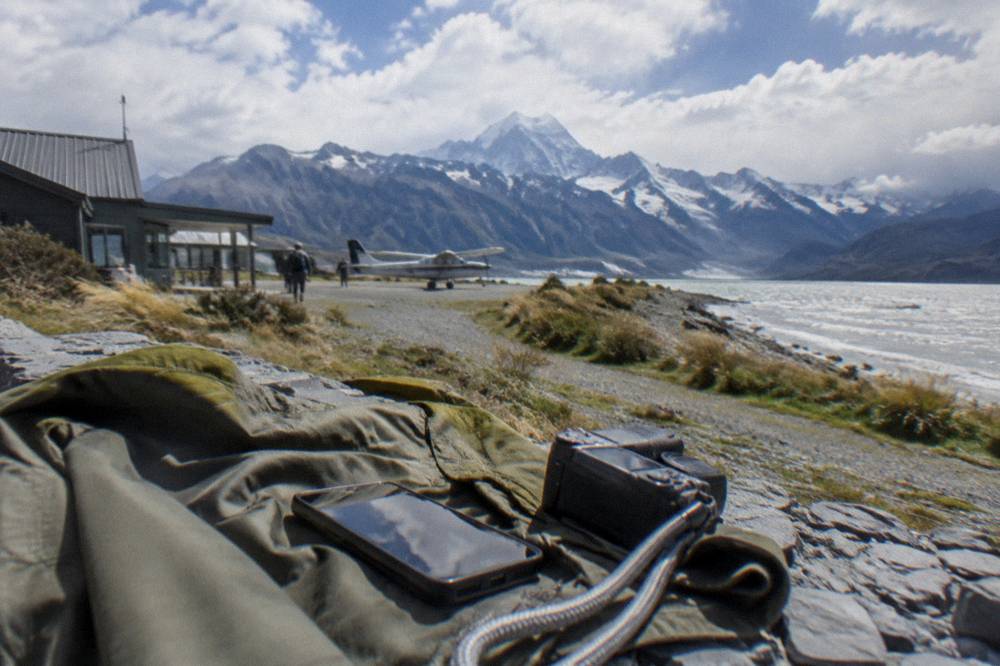
Bags deserve a note. A small daypack is the right size if you need one, and the heli-hike specifically lists one as part of the kit. Most passengers for a 25 to 55 minute flight carry nothing but the clothes they wear and a phone in a zipped pocket.
The carried items sort neatly into what belongs with you and what stays behind, and the split is worth seeing at a glance.
| Item | On the flight | Left in the vehicle | Reason |
|---|---|---|---|
| Phone or compact camera with strap | Yes | No | Small, secure, usable with cold hands |
| Hat, gloves, sunglasses | Yes | No | Needed on the snow within minutes of landing |
| Small daypack | If needed | No | Cabin space behind the seats is minimal |
| Drone | No | Yes | Named as not permitted by the operator |
| Selfie stick | No | Yes | Named as not permitted by the operator |
| Large suitcase | No | Yes | No hold on a nine seat ski plane or small helicopter |
How Should You Dress If You Want Good Photos From The Flight?
Dress dark on top if photographs matter to you. Bright whites and pale jackets reflect onto the inside of the aircraft windows and degrade every shot you take through them, so a dark outer layer keeps the glass clean of your own reflection. A hood that stays down, gloves you can shoot in, and a phone or camera you can operate one-handed complete the photography outfit.
The window-reflection problem is the one clothing decision that directly changes how your photos turn out. In a small aircraft you will shoot through perspex, and any light colour on your torso bounces back off that surface into the lens. A black or dark navy jacket kills most of that reflection. It costs nothing and it is the difference between a crisp shot of the Hochstetter Icefall and a ghostly self-portrait overlaid on it. The site's guide to Mount Cook flight photography tips goes deeper on camera settings and window technique.
Gloves you can operate a camera or phone in are the second quiet win. Thin liner gloves or touchscreen gloves let you keep shooting during the landing, when bare hands numb quickly in the wind and the ten to 15 minutes on the snow pass fast. A scarf or hood that flaps in the door draft during the landing should be secured before the aircraft touches the snow, both for your photos and for safety around the aircraft.
The infographic below summarises the full outfit as one checklist, layer by layer, from headwear down to socks.
Where Do You Put Extra Layers Before Boarding?
Bags are not allowed on the aircraft, so anything you bring stays with you or in your vehicle. Parking at the airport is free, and the practical pattern is to leave everything you will not wear in the car and carry at most a small daypack on board. Transfers are not included by the operator, so most passengers drive their own car or a hire car right to the base.
This shapes the packing more than people expect. If you are carrying a suitcase from a wider New Zealand trip, the move is to repack the night before into just what you will wear, plus the hat, gloves and sunglasses in a small bag, and leave the rest locked in the vehicle. The walk from parking to check-in is short, and arrive by the check-in time in your booking email rather than planning to sort clothing at the airfield.
If you are staying in the village or driving in for the day, the same logic applies. The village has a visitor centre, a petrol station and limited cafe and bar options, so it is not a place to count on buying forgotten gloves an hour before a flight. Twizel, an hour away, and Tekapo, 1.5 hours away, are the last towns with proper shops. Road access into the park can be limited by snow from June to September, so check conditions with NZTA's highway conditions page before the drive.
Weather decisions from the operator can arrive as late as about 10 minutes before departure, with notice the day before when a cancellation looks likely, so it pays to keep your layers accessible rather than buried. A weather cancellation by the operator means a full refund or a free reschedule, and the site's guide to flight weather cancellations explains the timing in detail. The operator advises booking early in your stay to leave room to reschedule.
Does The Outfit Change Between The Ski Plane And The Helicopter?
No. The clothing advice is identical for both aircraft: warm layers, long pants, sunglasses and closed-toe shoes, with landing sites 1 to 3 degrees cooler than the airport either way. The same rule applies on both aircraft: loose items like scarves and hats must be firmly secured before takeoff, whether you fly in the enclosed cabin of a ski plane or in a helicopter.
Both aircraft types fly from the same base at Aoraki Mount Cook Airport on SH80 and land on the same glacier systems, so the environment you dress for is the same environment. The 45 minute Glacier Highlights tour is sold in both formats at the same from price of $397.02 per person, as a ski plane tour and as a helicopter tour, and the operator's clothing guidance does not distinguish between them. Choose the aircraft for the experience and the view, not for the wardrobe, and read the ski plane versus helicopter comparison if that choice is still open.
The one refinement worth making for the helicopter is securing everything loose. Rotor wash on the snow during boarding and disembarking lifts hats, scarves and anything not tucked away. Zipped pockets beat open ones, a neck gaiter beats a trailing scarf, and sunglasses with a strap stay on when the doors open. In the ski plane the same items matter less, because boarding is from the ground into an enclosed cabin.
The combo flight from $277 per person, rated 4.7 across 378 reviews, splits the difference by design: one leg by ski plane and one by helicopter, with one aircraft landing on the Tasman Glacier and the other collecting the passengers. Dress once, in the same layers, and both legs take care of themselves. The clothing-relevant differences between the two aircraft are small but real, and the table below isolates them.
| Clothing factor | Ski plane (9 seats) | Helicopter (5 to 7 seats) |
|---|---|---|
| Core outfit advised | Layers, long pants, sunglasses, closed-toe shoes | The same, no separate guidance |
| Cabin feel | Enclosed, heats quickly with a full load | Fixed-wing cabin, snow landing on the glacier |
| Loose items | Tuck away as usual | Secure firmly against rotor wash |
| Headwear | Hat or hood works, keep hoods down | A neck gaiter beats a trailing scarf |
| Landing conditions | Prepared snow site on the glacier | The same glacier and alpine sites |
Common Questions About What To Wear On A Mount Cook Flight
How Cold Is It On The Snow Landing?
Landing sites are typically 1 to 3 degrees cooler than the airport. The felt cold depends mostly on wind, so a windproof outer layer is the most valuable item you can bring. Time on the snow is generally 10 to 15 minutes, inside the flight duration.
Do I Need Snow Boots For A Glacier Flight?
No. Operators advise sturdy closed-toe shoes. Sneakers or hiking shoes with reasonable tread handle the short walk on firm snow. Smooth-soled dress shoes, sandals and heels are the shoes that cause problems.
Can I Wear Jeans On The Flight?
Yes, on a scenic flight with a snow landing jeans are adequate as long pants. The no-jeans rule applies to the heli-hike, where denim holds moisture against the skin over up to 2 hours on the ice.
Are Sunglasses Really Necessary?
Yes. Snow glare off the glacier is strong even under high cloud, and it comes from below as well as above.
Can I Bring A Drone Or A Selfie Stick?
No. The operator names drones and selfie sticks as not permitted, and national park rules restrict drones separately. A phone or a compact camera with a wrist strap covers everything most passengers want to shoot.
What Should Children Wear On The Flight?
The same outfit as adults: warm layers, long pants, closed-toe shoes, plus gloves and sunglasses. Children are welcome at all ages, and an infant on a lap still needs a charged seat, so the clothing advice applies to every passenger on board.
The Grand Circle ski plane tour, rated 5.0 across 16 reviews at from $453.82 per person, spends 55 minutes in the air within a total of 1 hour 5 minutes, crossing the Main Divide toward the West Coast glaciers before touching down on the Tasman Glacier, and it is the flight where the wind on the snow is most likely to earn its keep from your outer layer.
For many travellers the short alpine landing helicopter flight is the entry point: from $194 per person and rated 4.7 across 530 reviews, it is the most reviewed departure from Mount Cook Airport, and the same clothing list applies in full, alpine landing sites being peak or ridge snowfields rather than the glacier itself.
Whatever the aircraft and whatever the season, the outfit comes down to the same short list. Layers you can open and close, long pants, shoes with grip, sunglasses on your face, and nothing loose, nothing trailing, nothing left to buy at the airfield. Pack that and the cold, the glare and the wind are all handled, and the only thing left to think about on the snow is the mountain.