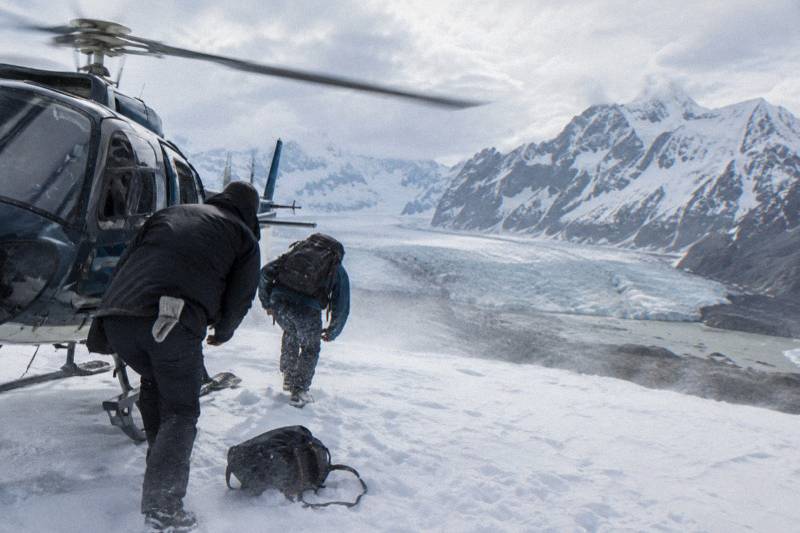
Mount Cook Flights And Weather: Cancellations, Refunds And Rebooking
Alpine weather at Aoraki / Mount Cook changes fast, and scenic flights are the first thing it touches. Here is how cancellation decisions are made, what a refund or free reschedule actually looks like, and how to plan a stay so a cancelled flight does not mean a missed one.
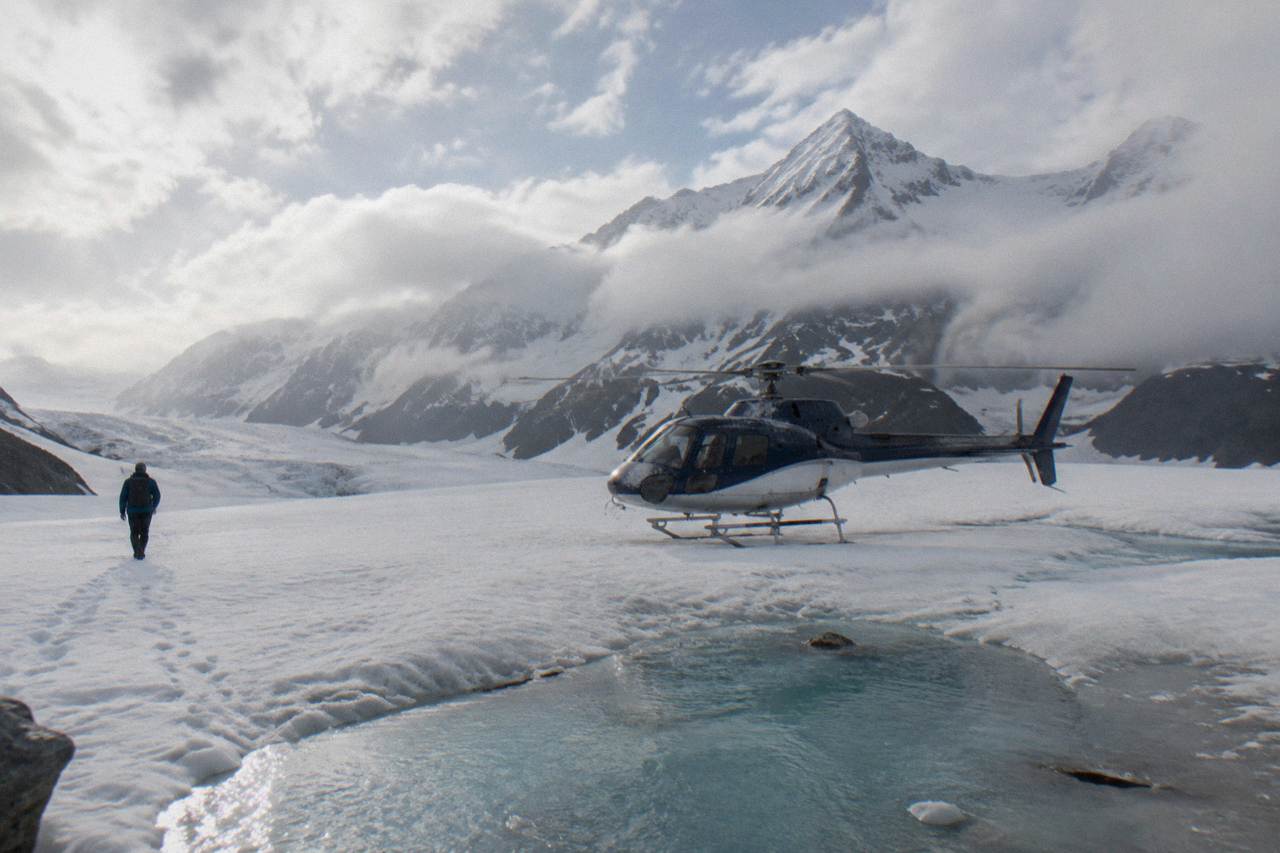
Short answer
Mount Cook flights run seven days a week weather permitting, and an operator weather cancellation means a full refund or a free reschedule. Decisions can come as late as about 10 minutes before departure. Free cancellation by the traveller is available up to 24 hours before start. The sensible plan is to book early in your stay so there is room to rebook.
Aoraki / Mount Cook stands 3,724 metres tall, and that is exactly why people fly over it. The same conditions that carve the Tasman Glacier, 23 kilometres long and up to 3 kilometres wide, also ground aircraft. Anyone booking a scenic flight here reasonably wonders what happens if the weather turns, whether the money is refunded, and how likely the flight is to go ahead at all. This guide answers those questions using the operators' own published policies and the figures on the flights covered here. The short version is reassuring: weather cancellations are normal, refundable, and manageable with a little planning. Since weather patterns shift with the seasons, the guide to whether a Mount Cook scenic flight is better in winter or summer explains how snow levels, road access, and alpine conditions change the experience throughout the year.
The honest starting point is that no credible cancellation rate exists for these flights, and any site quoting one is guessing. What is verifiable is the decision process, the refund rules, and the fact that operators here have been flying in this weather since 1955, with Mount Cook Ski Planes based at Aoraki Mount Cook Airport on State Highway 80. Operators describe the region as the only place in the Southern Hemisphere with year-round glacier landings by ski plane, which tells you flights do get away in winter as well as summer. For a deeper look at conditions themselves, see the companion page on Mount Cook Ski Plane weather planning elsewhere on this site, and read on for the cancellation mechanics.
How Often Are Mount Cook Flights Cancelled For Weather?
No verified cancellation rate exists for Mount Cook scenic flights, and none should be quoted. What is known is that flights operate seven days a week weather permitting, that alpine weather changes fast, and that cancellation decisions can arrive any time from early morning until about 10 minutes before departure. Given how quickly conditions shift, the guide to the best time of day for a Mount Cook scenic flight looks at which departure slots give you the most room to rebook if weather intervenes.
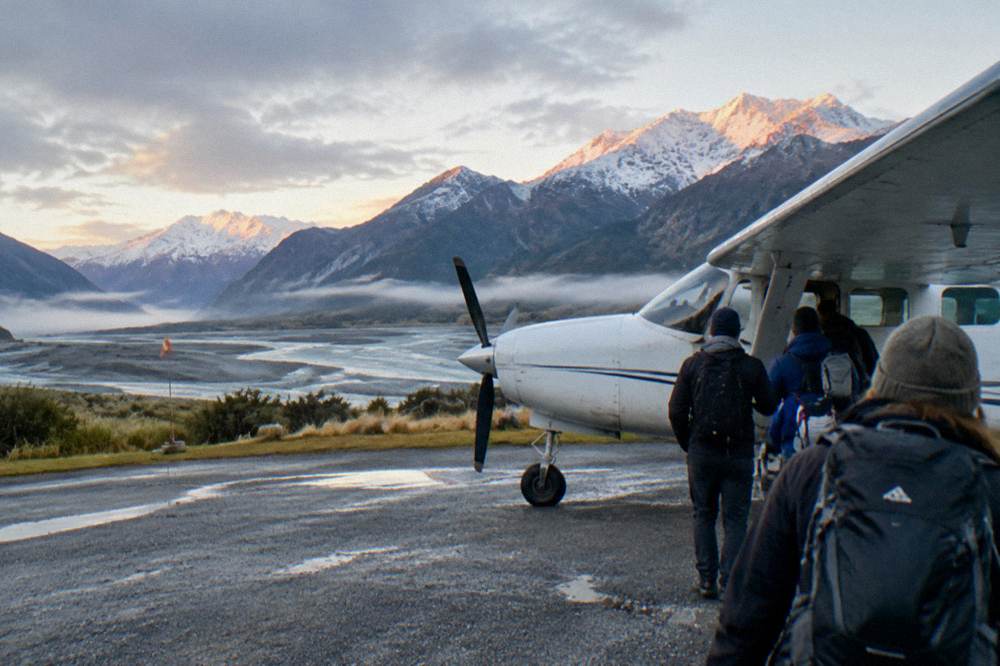
The absence of a published rate is not an evasion, it is the reality of mountain aviation. Aoraki / Mount Cook sits where moisture-laden northwesterly air is forced over the Southern Alps, so conditions at the airport can be flyable while the Main Divide is shut in cloud, or vice versa. A morning that looks hopeless from the village can clear by early afternoon, and a calm blue day can deteriorate within an hour. Operators plan for this rather than against it.
What matters to a traveller is not a percentage but the shape of the decision. Because a flight can be called on or off with very little notice, sometimes only the day before, a cancelled booking can be rescheduled or refunded. The system is designed around cancellations happening, not around pretending they will not.
| Question | The verifiable answer |
|---|---|
| Is there a published cancellation rate? | No, and any figure quoted online is unverified |
| How often do flights run? | Seven days a week, weather permitting |
| Who makes the cancel or fly call? | The operator and pilot, based on conditions on the day |
| Does a cancellation cost money? | No: operator weather cancellation means a full refund or a free reschedule |
| Can I cancel myself for free? | Yes, up to 24 hours before start on the booking pages for the flights covered here |
A useful mental model is to treat the flight as booked for a day rather than an hour. If the first departure of the morning is cancelled, the same aircraft may fly the same route two hours later.
When Do Operators Decide To Cancel A Mount Cook Flight?
Weather decisions can come at any point from early morning until roughly 10 minutes before departure, and when a cancellation looks likely the operator aims to give notice the day before. The pilot's judgement on the day is final, because conditions on the route, not at the airport, decide whether the flight goes.
This late-decision pattern surprises visitors used to airlines that cancel a day ahead. Mountain weather is genuinely short-fuse: cloud height on the divide, wind at altitude, and visibility over the glacier can all shift inside an hour, so a decision made at breakfast may be wrong by mid-morning. Operators here respond by keeping options open as long as safely possible.
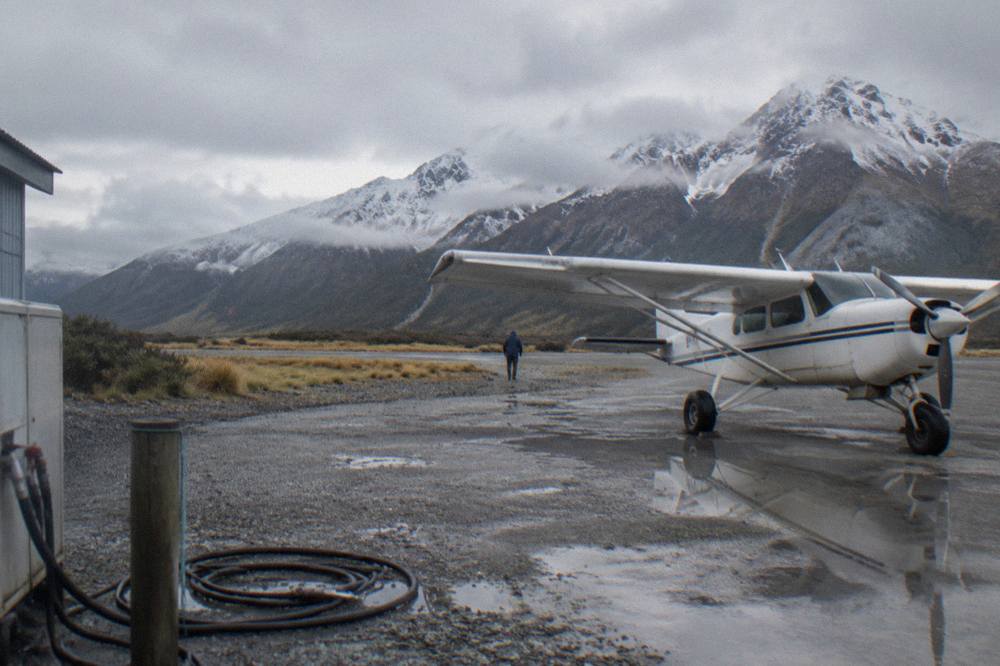
Practically, that means three things. First, when a cancellation is likely, the operator tries to notify passengers the day before, which is the window in which you can plan an alternative day rather than an alternative activity. Second, on marginal days you should stay reachable and close to the airport or village, because a late go decision means the flight leaves on schedule. Third, a flight that departs can still change shape: landing sites are confirmed on the day, not fixed in advance.
The other late decision that affects landings deserves its own note. A glacier landing happens directly on the Tasman Glacier, while an alpine landing is on a peak or ridge snowfield, and operators describe glacier landings as giving more certainty of snow all year. On alpine landing flights such as the 25-minute flight from Mount Cook Airport, the landing site holds snow most of the year but not roughly December to March, so summer snow is not guaranteed. None of this is a downgrade in safety terms, it is the operator matching the aircraft to the day.
If flexibility on your side matters as much as flexibility on theirs, these three flights all carry free cancellation up to 24 hours before start and a free reschedule or full refund if the operator cancels for weather:
The Mount Cook ski plane and helicopter combo, from $277.00 per person for a 45-minute flight with a snow landing and 10 to 15 minutes on the snow, rated 4.7 across 378 reviews, is the most reviewed ski plane option here and a good anchor booking. Booking early in your stay, as the operator itself advises, is covered in detail below.
What Happens If My Mount Cook Flight Is Cancelled For Weather?
An operator weather cancellation brings a full refund or a free reschedule, your choice. The refund or rebook comes through the channel you booked in, and on the flights covered here the booking-page terms are the ones that govern, free cancellation up to 24 hours before start when you cancel yourself.
The refund half of that policy is straightforward: if the operator cancels for weather or operational reasons, you do not pay. The reschedule half is often the better choice, because a same-stay rebook costs nothing and keeps you in the queue for the next flyable window, whereas a refund leaves you rebooking at whatever price and availability then exists.
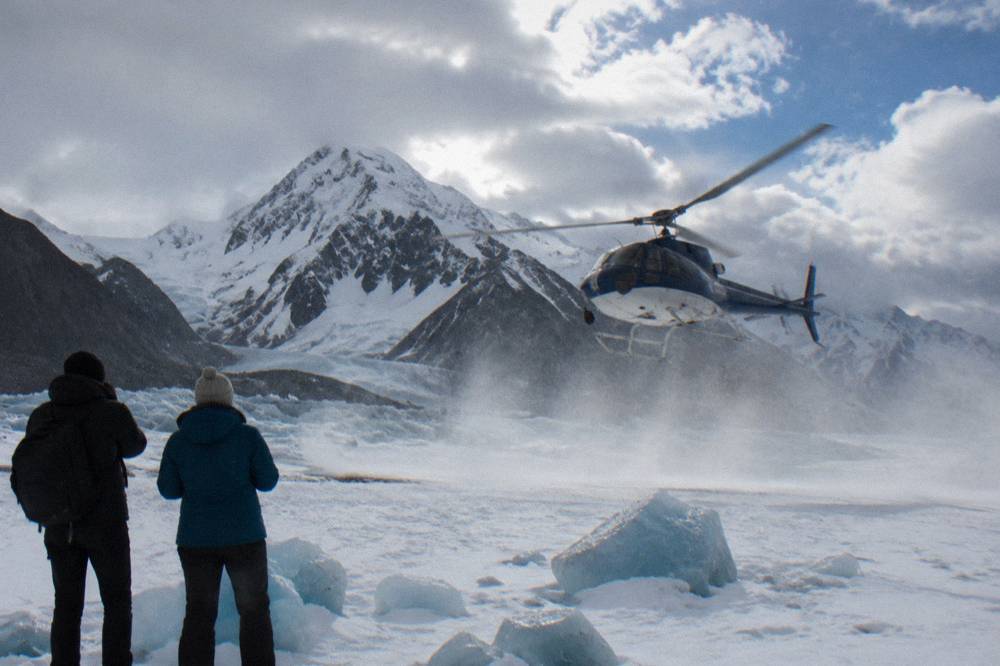
One distinction matters and trips people up. A weather cancellation by the operator, full refund or free reschedule, is a different thing from the 24-hour free cancellation that applies when you decide yourself not to fly. Cancel inside 24 hours of start for your own reasons and the booking-page terms for that product govern; the flights here all state free cancellation with a full refund up to 24 hours before start, so the safe move is making your own decision before that window closes.
Terms can differ between an operator's own website and the booking page for the same flight. Where they differ, the terms of the place you booked apply, which is why it is worth a minute with the cancellation section of your confirmation before the morning of the flight. If your plans are genuinely rigid, the practical reading of all of this is simple: book a product with free cancellation, make your final decision more than 24 hours out, and treat the operator's cancellation as a refund, not a loss. The deeper background on this exact scenario, including what a same-day rebook looks like in practice, is in the companion piece on what happens when a Mount Cook flight is cancelled.
How Do Refunds And Rebooking Work In Practice?
A weather cancellation refund or free reschedule is initiated through the operator or the booking channel, not at the airport counter, and the choice between refund and rebook is yours. Rebooking works best when you still have days left in the region, which is the single strongest argument for booking a flight on day one or two of a stay rather than the last.
The mechanics are unglamorous but worth knowing. When weather cancels a flight, operators offer a rescheduled departure or a full refund; the decision may come shortly before departure, or the day before if a cancellation looks likely. That asymmetry is entirely within your control at the moment you first book.
| Scenario | Who decides | Outcome |
|---|---|---|
| Operator cancels for weather or operational reasons | Operator | Full refund or free reschedule, your choice |
| You cancel more than 24 hours before start | You | Full refund per the booking-page terms on the flights here |
| You cancel inside 24 hours for your own reasons | You | Booking-page terms for that product govern |
| Flight departs but landing site changes | Pilot | Flight flies with the site confirmed on the day |
| Minimum passenger numbers not met | Operator | Flight may be rescheduled or combined |
That last row catches some travellers out. Minimum passenger numbers apply on most flights, and if they are not met the operator may reschedule or combine departures, which is an operational change rather than a weather cancellation but has the same refund-or-rebook remedy. It is one more reason the operator's advice to book early in the stay is sound: every kind of disruption is easier to absorb with slack in your calendar.
Which Departure Points Are Most Affected By Weather?
All the flights covered here are weather-dependent, but the decision is made independently at each base: Mount Cook Airport on SH80, Glentanner Park on State Highway 80, Glacier Helicopters at 81 Bowen Drive in the village, the West Coast bases at Franz Josef and Fox Glacier, and Tekapo Aerodrome. A flight cancelled at one base can be flying at another on the same day.
The geography explains it. The Mount Cook bases sit east of the Main Divide; the Franz Josef and Fox Glacier bases sit west of it, in a different weather system entirely; and Tekapo is further east again, drier and often clearer than the alps themselves.
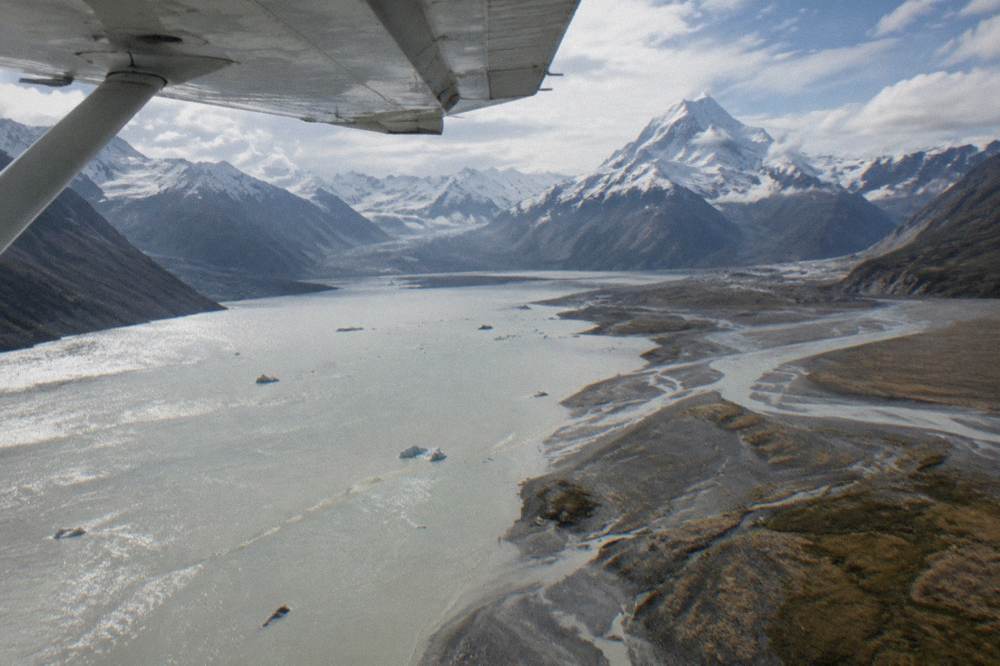
A second, quieter factor is landing versus overflight. Overflights need the route and the views, not a touchdown. Among the flights here, the Air Safaris Lake Tekapo flight, from $313.00 per person, 50 minutes, rated 4.9 across 138 reviews, is a fixed-wing overflight with no snow landing, and the Glenorchy Air Queenstown day trip, from $499.26, is likewise a no-landing fixed-wing product. The comparison between these styles is set out in full on choosing which glacier flight at Mount Cook.
One caution on bases: Mount Cook Airport and Glentanner Airport are different airfields, about 15 minutes apart, and they are often confused. The Mount Cook ski plane flights and the operator's helicopter flights start at Mount Cook Airport on SH80 just before the village; The Helicopter Line's flights start at Glentanner Park. Check which one your booking names before you drive, on a weather day the last thing you need is the wrong airfield.
How Should You Plan Around Weather At Mount Cook?
Book the flight for early in your stay, keep at least one flexible day behind it, and make any decision to cancel yourself more than 24 hours before start. Flights run seven days a week weather permitting year round, and glacier landings are offered year round, so no single month removes the risk.
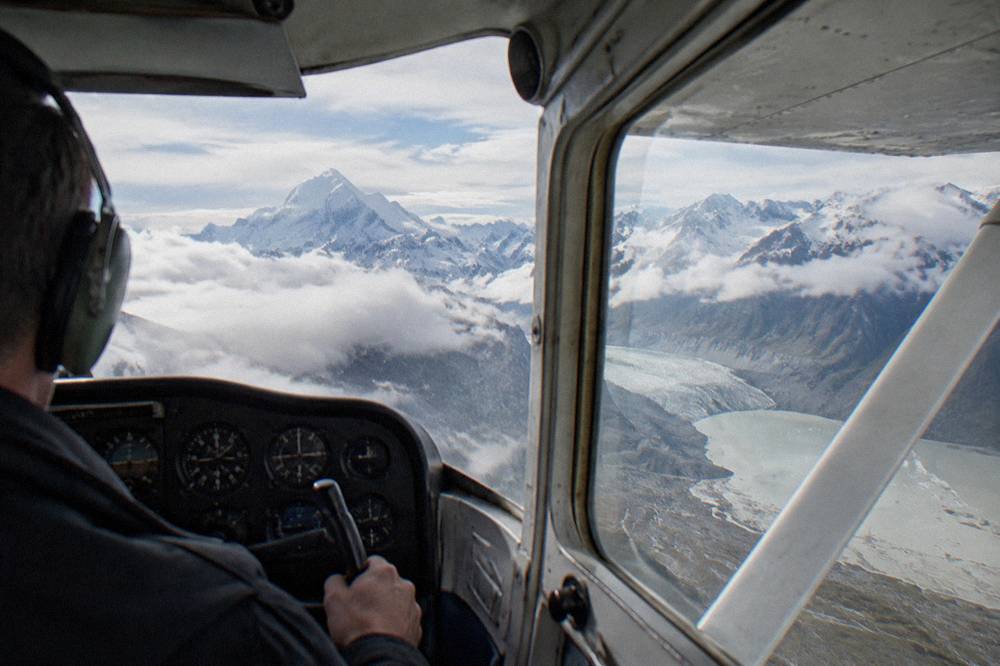
No verified best month or best time of day exists for flight reliability, and this site will not invent one. What the operators' own guidance supports is a scheduling strategy, not a calendar pick: because rescheduling is free when the operator cancels, the cost of weather is measured in days available, not dollars. A traveller with four nights in the village has effectively four chances at one booking.
| Planning move | Why it works |
|---|---|
| Book day one or two of the stay | Leaves days to absorb a free reschedule |
| Keep the evening before flexible | Late go decisions need you close and reachable |
| Decide on cancellation before the 24-hour mark | Your own cancellation stays free |
| Check the road, not just the sky | SH80 access can be limited June to September by snow |
| Have a land-based backup walk in mind | DOC tracks need no booking and no aircraft |
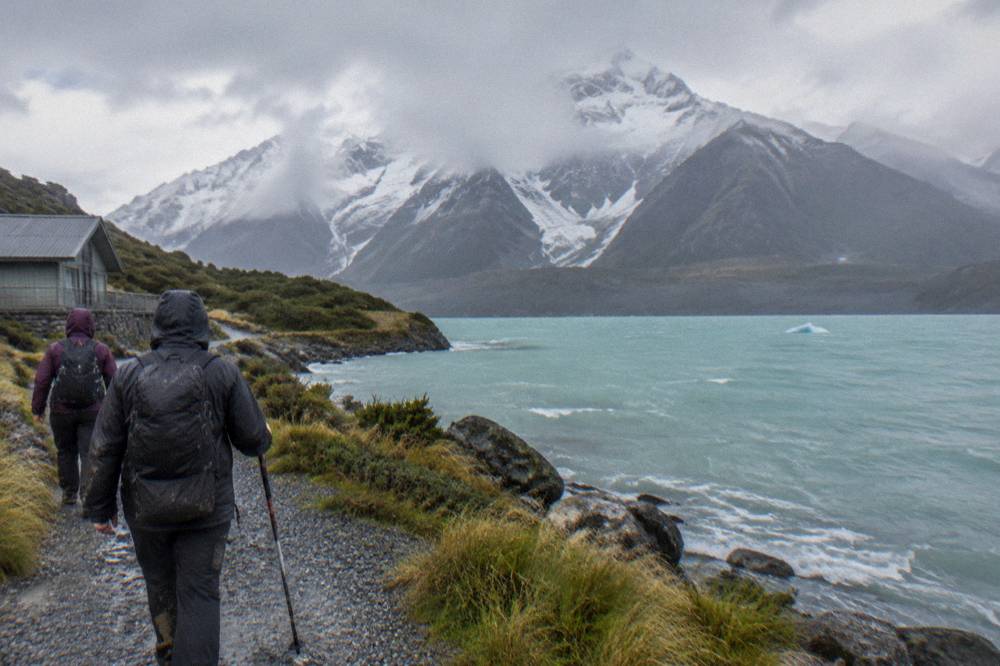
That road point deserves emphasis. Winter access to the village itself can be limited by snow between June and September, so check conditions with NZTA's SH80 highway conditions page before travelling, independent of any flight status. Mountain forecasts are likewise their own discipline, and the MetService alpine forecast for Aoraki / Mount Cook is the authoritative public source for the park. The village sits about 3.5 hours by road from Queenstown and 4.5 hours from Christchurch, with Twizel an hour away and Tekapo 1.5 hours, so day-trippers have the least rebooking slack of anyone and benefit most from an early arrival.
On the day itself, arrive by the check-in time in your booking email, dress in warm layers with sunglasses for the snow glare, and treat the wait at the base as part of the experience rather than a fault in it. Parking at the airport is free, and there is no entry fee for the park, though parking at White Horse Hill is paid. The detailed clothing guidance lives in what to wear on a Mount Cook ski plane flight.
What Can You Do If The Flight Cannot Be Rescheduled?
If weather wins and your stay ends first, the booking refunds in full and the mountain still gives you a day: the Hooker Valley Track, the Tasman Glacier View Track and the village walks need no aircraft, and the park has no entry fee.
The refund half is settled policy, covered above. The day half is what separates a cancelled flight from a ruined one. The Hooker Valley Track is 10 kilometres return, easy to intermediate, crossing three swing bridges to Hooker Lake, where icebergs speckle the water in summer; a new second swing bridge opened in July 2026, 189 metres long and described by DOC as the longest suspension bridge in New Zealand, with a maximum of 20 people crossing the first bridge at a time this summer. The Tasman Glacier View Track is a 1.5 kilometre return climb with 300 plus steps to a view over the terminal lake and ice.
Both tracks, and the free things around the village, are documented on what to do at Mount Cook for free. Full track details, including the bridge timings and the no-dogs rule, are on DOC's Hooker Valley Track page. The point for this guide is narrower: a weather-cancelled flight leaves you with a refund and a world-class walk, not a blank day.
Which Flights Give You The Most Flexibility When Weather Is Uncertain?
Every flight covered here carries free cancellation up to 24 hours before start and the same operator weather policy, so flexibility comes from format and price rather than policy differences: cheaper and shorter flights lower the stakes, and no-landing overflights from drier bases remove the landing decision entirely.
Start with the cheapest reviewed landing option. The Mount Cook scenic helicopter flight with alpine landing, from $194.00 per person for a 25-minute flight, rated 4.7 across 530 reviews, carries the lowest entry price among the alpine landing tours. If a marginal day cancels a short flight, rebooking it costs less in schedule and money than rebooking a long one.
At the other end of the scale, a 55-minute Grand Circle, from $453.82 per person, rated 5.0 across 16 reviews, crosses the Main Divide toward the West Coast glaciers as well as landing on the Tasman, which makes it both the most spectacular and the most weather-exposed itinerary, since it needs conditions on both sides of the divide. The mid-length Glacier Highlights ski plane tour, from $397.02, rated 5.0 across 21 reviews, keeps the landing but trims the routing.
| Flight | From (USD, per person) | Duration | Landing | Reviews |
|---|---|---|---|---|
| Mount Cook scenic helicopter with alpine landing | $194.00 | 25 minutes | Alpine landing | 4.7 across 530 |
| Ski plane and helicopter glacier combo | $277.00 | 45 minutes | Snow landing, 10-15 min on snow | 4.7 across 378 |
| Glacier Highlights ski plane tour | $397.02 | 45 minutes | Snow landing, 10-15 min on snow | 5.0 across 21 |
| Grand Circle ski plane | $453.82 | 1 hour 5 minutes | Snow landing, 10-15 min on snow | 5.0 across 16 |
| Lake Tekapo Mount Cook and Beyond (fixed-wing) | $313.00 | 50 minutes | No landing | 4.9 across 138 |
The West Coast option is worth naming in this context precisely because its weather is different. The Franz Josef 35-minute two-glacier helicopter trip, from $274.00 per person with 10 minutes on the snow, rated 4.9 across 545 reviews, departs from 10 Main Road in Franz Josef and depends on coastal conditions rather than the Mackenzie Basin's. A traveller staying on the West Coast with a Mount Cook flight cancelled should not assume their Franz Josef options are cancelled too, or the reverse.
Whatever you choose, the strategy in one sentence: book the longest flight you want early in the stay, keep the 24-hour window in mind for your own change of plans, and let the operator's free reschedule do the rest.
Common Questions About Mount Cook Flight Weather Cancellations
How Often Are Mount Cook Flights Cancelled For Weather?
No verified cancellation rate exists, and none should be trusted. Flights run seven days a week weather permitting, and operators build their schedules around cancellations being routine, with free rescheduling when they happen.
When Do Operators Decide To Cancel A Mount Cook Flight?
Decisions can come from early morning until about 10 minutes before departure, with notice the day before when a cancellation is likely. The pilot's read of conditions on the route, not at the airport, is what counts.
What Happens If My Mount Cook Flight Is Cancelled For Weather?
You get a full refund or a free reschedule, your choice. The free reschedule is usually the better option if your stay allows, since it keeps you in the queue for the next flyable window at no cost.
Can I Cancel A Mount Cook Flight Myself For Free?
Yes, on the flights covered here, up to 24 hours before start. Inside that window, the booking-page terms for the product you booked govern, so make your own decision before the cutoff.
Which Mount Cook Flights Are Most Affected By Weather?
Flights with glacier or alpine landings need safe landing conditions as well as flyable air, so they are the most weather-sensitive.
How Early In My Stay Should I Book A Mount Cook Flight?
Book day one or two of your stay. The operator itself advises this, because a free reschedule only helps if you still have days left in the region to reschedule into.