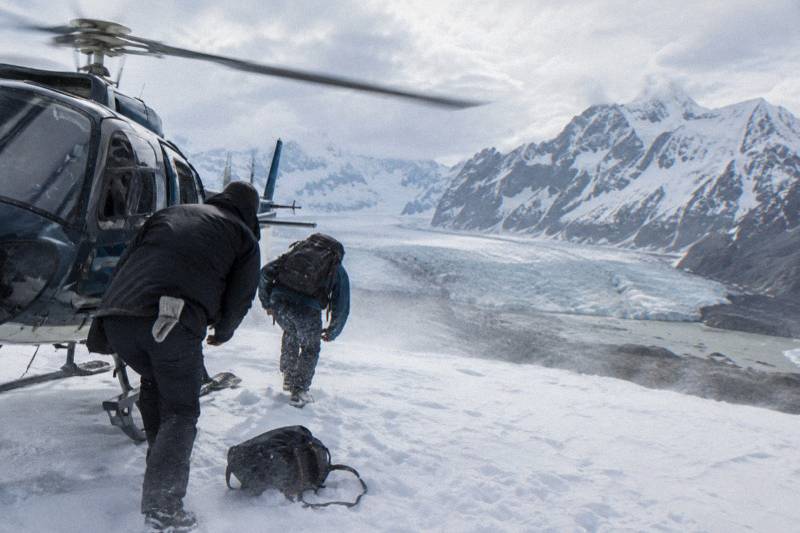
Is A Mount Cook Scenic Flight Better In Winter Or Summer?
A season-by-season look at Mount Cook scenic flights: why glacier landings offer more certainty of snow, how winter roads and summer alpine conditions change the plan, and what stays the same all year.
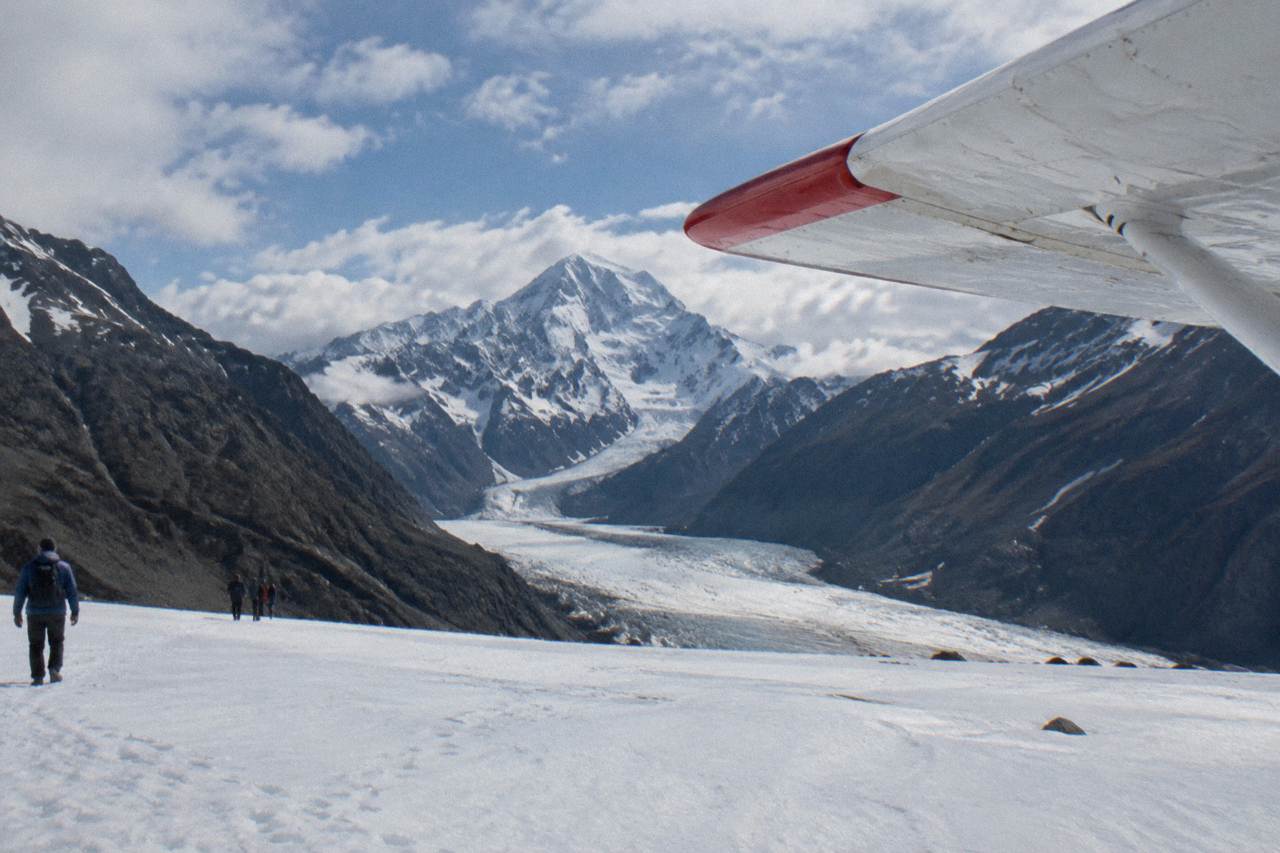
There is no single better season, because the two seasons change different parts of the trip. Operators fly seven days a week year round, weather permitting, and glacier landings are offered through every month. The real differences are snow certainty at the landing, the drive on State Highway 80, and how cold you will be standing on the ice.
That answer frustrates people who want a verdict, but it is the honest one. A flight in July and a flight in January can feel like different products even though the aircraft, the departure point at Mount Cook Airport on SH80 and the flight paths stay broadly the same. What shifts is everything around the flight: every landing is weather permitting rather than promised, and an alpine landing is not a guaranteed snow landing.
The Department of Conservation, which manages Aoraki / Mount Cook National Park, describes a landscape of 19 peaks above 3,000 m and glaciers covering roughly 40% of the park, and none of that closes for winter. The park is also part of the Te Waipounamu South Westland World Heritage Area, which is one reason the flight paths feel so loaded with scenery in every month of the year. The decision that matters most is not which month to fly but which part of your stay to fly in, because alpine weather here changes fast and operators advise booking early in your visit so there is room to reschedule. More on the Mount Cook flight weather picture later in this article.
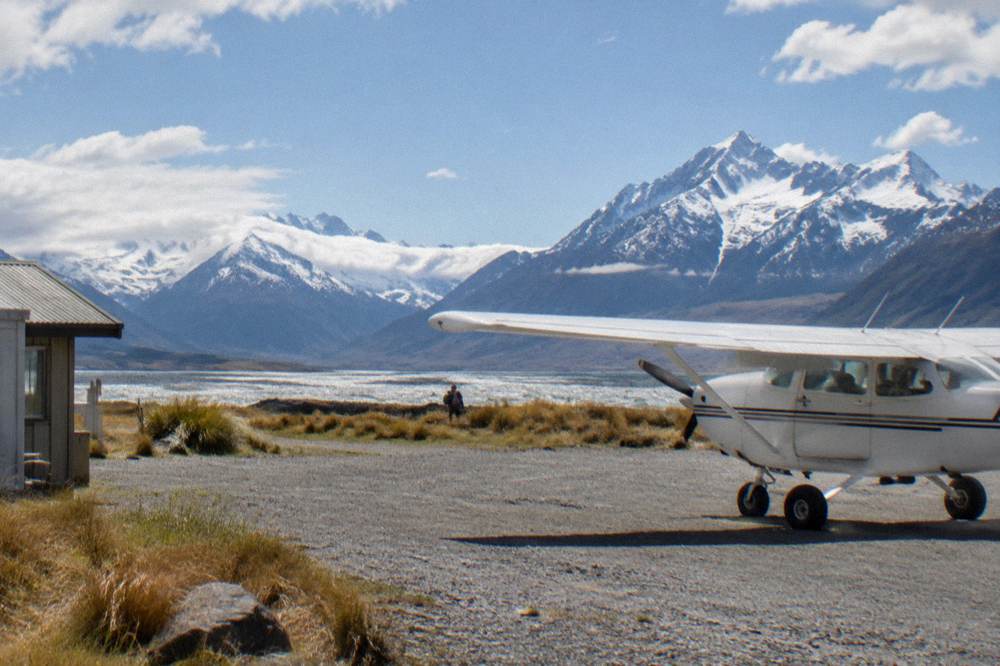
A good way to compare the seasons quickly is to look at the three ski plane flights that run year round from Mount Cook Airport, because their prices, durations and snow-landing formats are fixed across the calendar.
| Flight | Aircraft | Duration | Landing | Minutes on snow | Price from (per person) | Reviews |
|---|---|---|---|---|---|---|
| Mount Cook: Ski Plane and Helicopter Glacier Combo Flight | ski plane + helicopter | 45 minutes | glacier landing | 10 to 15 | $277.00 | 4.7 across 378 |
| 45-Minute Glacier Highlights Ski Plane Tour from Mount Cook | ski plane | 45 minutes | glacier landing | 10 to 15 | $397.02 | 5.0 across 21 |
| 55 minute Grand Circle Ski Plane | ski plane | 1 hour 5 minutes | glacier landing | 10 to 15 | $453.82 | 5.0 across 16 |
Do Mount Cook Flights Run All Year Round?
Yes. Mount Cook Ski Planes and Helicopters has operated from Aoraki Mount Cook Airport on SH80 since 1955 and flies seven days a week, weather permitting, in every month. Glacier landings on the Tasman Glacier are offered year round. Winter does not close the airfield and summer does not pause the landings.
That continuity is unusual enough that the operator makes a point of it: the Mount Cook region is described as the only place in the Southern Hemisphere with year-round glacier landings by ski plane. Pilatus Porter ski planes with 9 seats and helicopters seating 5 to 7 depending on weight make up the fleet, and the snow landing is part of the product in January just as it is in July. DOC separately lists Mount Cook Ski Planes as the concessionaire for snow landings on the Tasman Glacier, which is the formal backbone of that year-round operation. DOC also lists guided ski trips down the Tasman Glacier for intermediate skiers, a winter product that runs on the same ice the sightseeing flights land on.
What does vary through the year is demand and how far ahead flights fill. The village is busiest over the summer months, and minimum passenger numbers often apply on shared flights, so departures can be rescheduled or combined when bookings are thin. The operator's own advice holds in both seasons: book early in your stay, not on your last day, so a weather hold does not end the chance to fly at all. A traveller with three nights in the village has options; a traveller driving in for a single afternoon has almost none.
The glacier itself is worth understanding before you pick a month. Tasman Glacier is New Zealand's largest and longest at 23 km, up to 3 km wide, with ice roughly 600 m deep near the Hochstetter Icefall. It carries snow at its upper reaches in every season, which is why glacier landings offer more certainty of snow year round, weather permitting. It is one of five major valley glaciers in the park, alongside the Godley, Murchison, Hooker and Mueller, and the longer Grand Circle flight crosses the Main Divide toward the Fox and Franz Josef glaciers on the far side. You can read more about the landing itself in the Tasman Glacier ski plane landing guide.
Which Season Has Better Snow On The Landings At Mount Cook?
Landings run weather permitting, and snow cover is seasonal. In roughly December to March, the alpine landing sites used by short helicopter flights may have no snow at all, while glacier landings on the Tasman still do. The booking category matters more than the month: pick a glacier landing for snow certainty in summer.
The distinction comes straight from the operator's own descriptions. An alpine landing sets down on a peak or ridge snowfield; a glacier landing sets down on the glacier ice itself, and the operator says the glacier gives more certainty of snow all year. The short 25-minute alpine landing flight from Mount Cook Airport is the clearest example: the landing zone holds snow most of the year but not roughly December to March, so snow is not guaranteed on that flight in summer.
The 25-minute Mount Cook: Scenic Helicopter Flight with Alpine Landing, from $194.00 per person and the most reviewed flight covered here at 4.7 across 530 reviews, uses that alpine format. Fly it in August and the landing is on a snowfield; fly it in late January and the site may be bare. Nobody can promise which, because the exact site is confirmed on the day, weather and conditions permitting. The cheapest landing flight among those with 15 or more reviews is this same $194.00 alpine-landing flight, which makes it a common summer choice for budget travellers who then discover the snow caveat after booking.
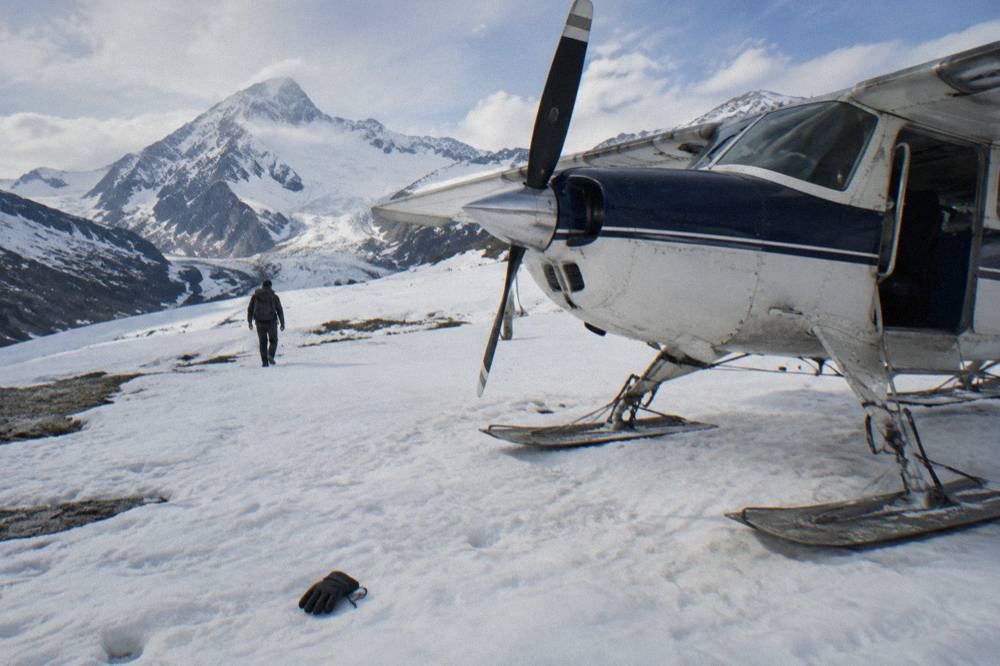
Glacier-landing products sidestep the problem. The ski plane and helicopter combo and the 45-minute Glacier Highlights Ski Plane Tour each include a Tasman Glacier snow landing with 10 to 15 minutes on the snow. The Grand Circle Ski Plane runs 1 hour 5 minutes in total, a 55-minute flight, with the same Tasman Glacier snow landing. What holds in both seasons is the landing itself, weather permitting, and the glacier version carries more certainty of snow year round, never a guarantee; warm layers matter for standing in it either way.
The combo flight is the clearest case of a product built around the ice. On the 45-minute ski plane and helicopter Glacier Combo Flight, one aircraft lands on the Tasman Glacier and the other carries the passengers back, so the landing is the hinge of the whole flight rather than an optional extra, though like every alpine landing here it runs weather permitting, with glacier landings offered year-round when conditions allow.
What About The Weather In Each Season At Mount Cook?
Alpine weather at Aoraki / Mount Cook changes quickly in every season, and there is no reliable calmer month. Flight decisions can come from early morning until about 10 minutes before departure. An operator weather cancellation means a full refund or a free reschedule.
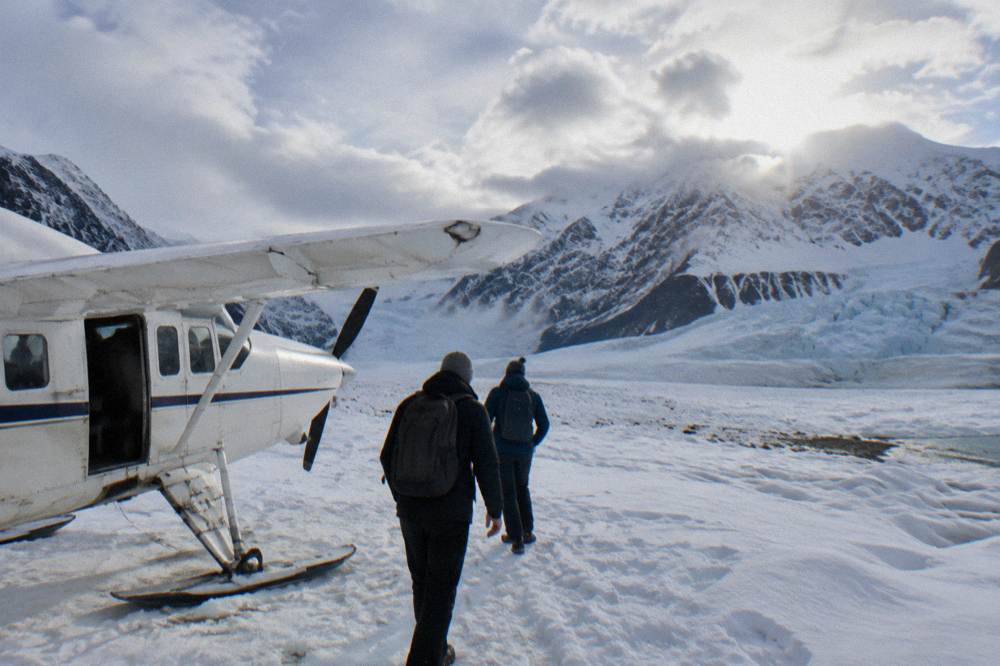
MetService maintains a dedicated mountain forecast for the park, and it is the reference operators and locals watch, because conditions at 3,724 m bear little relation to a still morning in the village. Westerlies push cloud against the Main Divide, and a clear sky at the airport does not guarantee a clear summit, or the reverse. Summer brings its own stability pattern and winter its own, but neither season owns the good days. Avalanches can occur in any season in this park, a DOC warning that shapes where landings happen even when it never touches your itinerary directly. More of these guides are collected on Mount Cook Ski Plane.
The practical consequence is timing within your stay rather than timing your stay. Because a go or no-go call can arrive as late as about 10 minutes before departure, and notice the day before when a cancellation looks likely, a flight booked for your first afternoon in the village can slide to your second morning without ending the trip. A flight booked for your departure day cannot. When the operator cancels for weather or operational reasons you get the full refund or the free reschedule, and bookings made on the booking pages carry free cancellation with a full refund up to 24 hours before start. Terms between the operator's own site and the booking pages differ, and the booking page terms are what govern a booking made there.
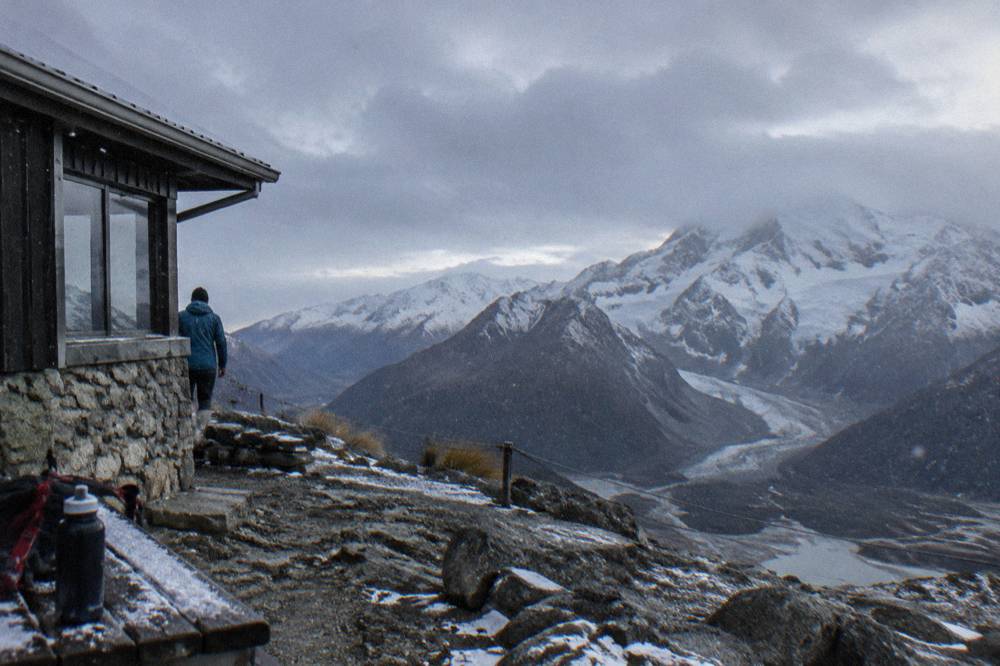
One seasonal note that genuinely matters for photographers: winter snow cover changes what the landscape looks like from the air at every altitude, while summer exposes the rock and ice texture of the lower glacier. The Mount Cook flight photography tips guide covers the practical side for both conditions.
How Do Winter Road Conditions Affect Getting To Mount Cook?
Access to Aoraki / Mount Cook is off State Highway 8 at the end of State Highway 80, and DOC warns road access can be limited by snow from June to September. In those months check highway conditions with NZTA before driving. Summer access is straightforward, about 3.5 hours from Queenstown and 4.5 hours from Christchurch.
The winter caveat is the single biggest seasonal difference in the whole trip, and it is the one people underestimate. Twizel is 1 hour from the village and Tekapo 1.5 hours, but even those short final legs sit inside the June to September window DOC flags for snow-limited access. NZTA's live highway condition pages cover SH80 and are the official check before a winter drive. If a snow event closes or delays the road on your flight day, the flight does not wait, so the advice to book early in the stay doubles in weight in winter.
Once you are at the airfield, the season matters less. Mount Cook Airport sits on SH80 just before the village, parking at the airport is free, and transfers are not included by the operator, with only limited pre-booked pick-ups from village accommodation on request, so ask the operator if you need one. There is no shuttle from Twizel or Tekapo in any season. Allow drive times of 1 hour from Twizel, 1.5 hours from Tekapo and 3.5 hours from Queenstown or Wanaka when planning a departure slot, and arrive by the check-in time given in your booking email.
Two year-round facts about the park itself are worth folding into any visit plan. There is no entry fee for the park, though parking at White Horse Hill is paid, confirmed by DOC in a July 2026 release. And the village is small: a visitor centre, a petrol station and limited cafe, restaurant and bar options, so a winter arrival late in the day rewards planning. Anyone pairing a flight with ground sightseeing will find more ideas in the Mount Cook things to do guide.
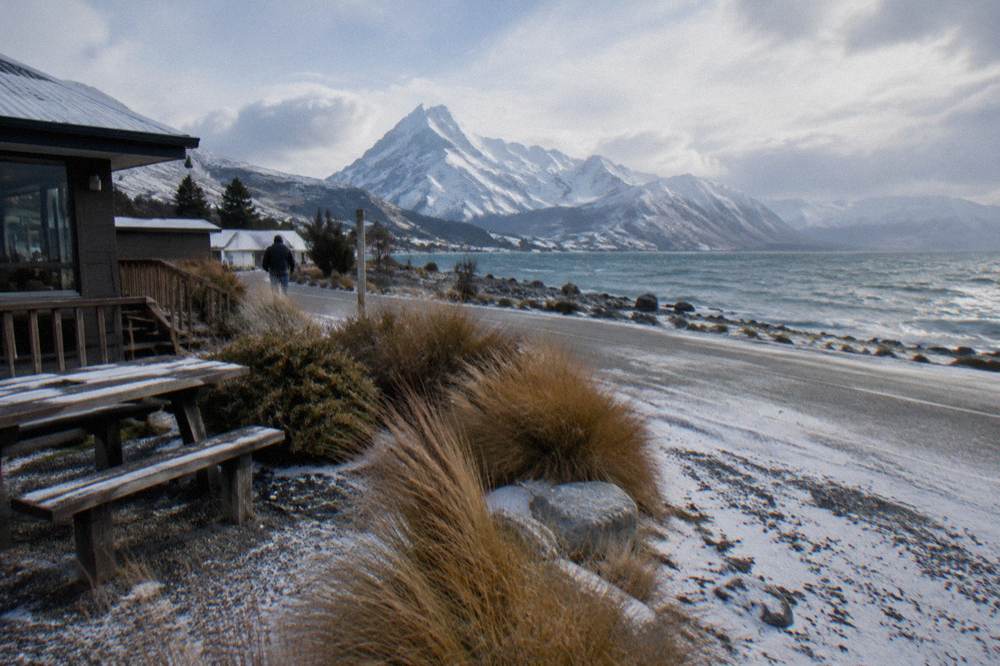
What Should You Wear On A Mount Cook Flight In Winter Or Summer?
Wear warm layers in both seasons: long pants, a light sweater or jacket, sturdy closed-toe shoes and sunglasses for the strong snow glare. Landing sites run typically 1 to 3 degrees cooler than the airport. Winter calls for more layers, but summer flights land on snow too, so shorts are a mistake either way.
The operator's packing advice does not change with the calendar, and that surprises summer visitors most. Even in February, a glacier landing puts you standing on bright snow at altitude, with glare strong enough that sunglasses are listed as standard kit rather than optional, and the small temperature drop from the airfield to the landing site applies every month. A camera or phone rounds out the list; drones and selfie sticks are not permitted.
For the heli-hike products, which spend up to 2 hours on the ice rather than minutes, the clothing bar rises sharply: 3 to 4 warm layers, warm trousers with no jeans, hat, gloves and a daypack, plus a minimum age of 9 and parental consent under 18. Those rules exist in summer exactly as in winter, because glacier ice is glacier ice. The what to wear on a Mount Cook ski plane flight guide has the full checklist.
Weight rules are also season-neutral. The individual weight limit is generally 116 kg on the Mount Cook Airport flights, passengers may be weighed at check-in, and seats cannot be chosen because the pilot assigns them for weight and balance. Children are welcome at all ages, and an infant on a lap still needs a charged seat. More detail sits in the Mount Cook flight weight limits guide.
How Do You Choose A Season For A Mount Cook Flight?
Choose by what you want from the landing and how much schedule risk you can absorb, not by a best-month rule, since mountain weather changes fast in every season. For more certainty of snow year round, weather permitting, take a glacier landing in any month. For the quietest airfield and full winter scenery, winter suits, if you can flex around weather and the road.
Start with the landing type, because it is the one variable you control at booking. Every ski plane and ski plane combo flight from Mount Cook Airport carries a Tasman Glacier snow landing with 10 to 15 minutes on the snow, in every season. The short alpine-landing helicopter flights do not carry that snow promise in the December to March window. If standing on snow is the point of the flight for you, the product choice settles the season question before the calendar does.
Then weigh the texture of each season honestly. Winter delivers the fullest snow scenery, a quieter village and the possibility that snow limits the road in. Summer flights run weather permitting, and on short helicopter trips the alpine landing is not guaranteed to be on snow. Spring and autumn sit between the two and can offer the best of each, though cancellation rates by month are not mentioned by the operators, so take any claim of a calmer shoulder season with caution.
Budget does not decide it for you. The booking pages show one from-price per person for each flight, such as $277.00 for the ski plane and helicopter combo, $397.02 for the 45-minute Glacier Highlights ski plane tour and $453.82 for the Grand Circle ski plane, whose 55 minutes count as flight time inside a 1 hour 5 minute total, and none of those figures is published as a winter or summer fare. The Mount Cook scenic flight cost guide covers how the prices stack up across formats.
Whichever season you lean toward, the ski plane and helicopter combo flight from Mount Cook Airport keeps a glacier landing central to the route in every month of the year. One aircraft sets down on the Tasman Glacier while the other flies passengers back, weather and conditions permitting. Check availability for it and the two pure ski plane tours above before you lock travel dates. The full picture of how visitors rate these flights, including the 378-review history of the combo, is set out in the Mount Cook ski plane reviews guide.
Common Questions About Mount Cook Flights In Winter Or Summer
Is A Mount Cook Scenic Flight Better In Winter Or Summer?
Neither season is simply better. Flights and glacier landings run year round, weather permitting. Winter offers fuller snow scenery but possible road limits on SH80 from June to September; summer offers easy access but alpine landing sites may hold no snow roughly December to March, so choose a glacier landing if snow matters.
Do Mount Cook Scenic Flights Run In Winter?
Yes. Mount Cook Ski Planes and Helicopters flies seven days a week, weather permitting, in every month, and glacier landings on the Tasman Glacier are offered year round. The operator has been based at Aoraki Mount Cook Airport on SH80 since 1955.
Is There Snow On The Glacier Landing In Summer?
Yes, glacier landings on the Tasman Glacier include snow in summer, and the operator describes the glacier as giving more certainty of snow all year. Short alpine landing flights are different: their sites may have no snow roughly December to March.
What Happens If My Mount Cook Flight Is Cancelled For Weather?
An operator weather or operational cancellation means a full refund or a free reschedule. Decisions can come from early morning until about 10 minutes before departure, with notice the day before when a cancellation looks likely, which is why operators advise booking early in your stay.
Is The Road To Mount Cook Open In Winter?
Usually yes, but DOC warns access can be limited by snow from June to September. Check NZTA highway conditions for SH80 before driving in winter. The drive is about 3.5 hours from Queenstown and 4.5 hours from Christchurch in normal conditions.
What Should I Wear On A Summer Flight Over Mount Cook?
The same as in winter, scaled back slightly: warm layers with long pants, a light sweater or jacket, sturdy closed-toe shoes, sunglasses for snow glare, and a camera or phone. Landing sites typically run 1 to 3 degrees cooler than the airport, in every season.