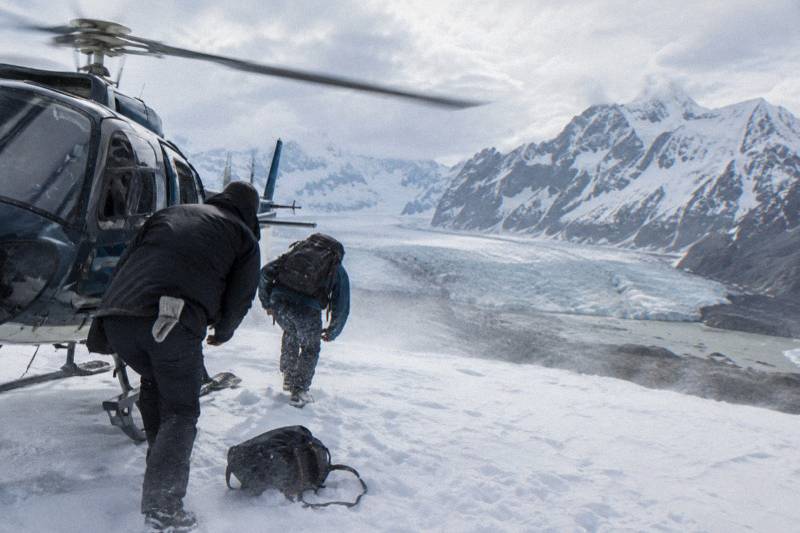
Mount Cook Weather By Month For Scenic Flights
Alpine weather at Aoraki / Mount Cook changes faster than almost anywhere in New Zealand, and it decides whether your scenic flight leaves on time, is rescheduled or is cancelled outright. Here is how to read the forecast, what each season means for a glacier landing, and what happens to your money when the weather says no.
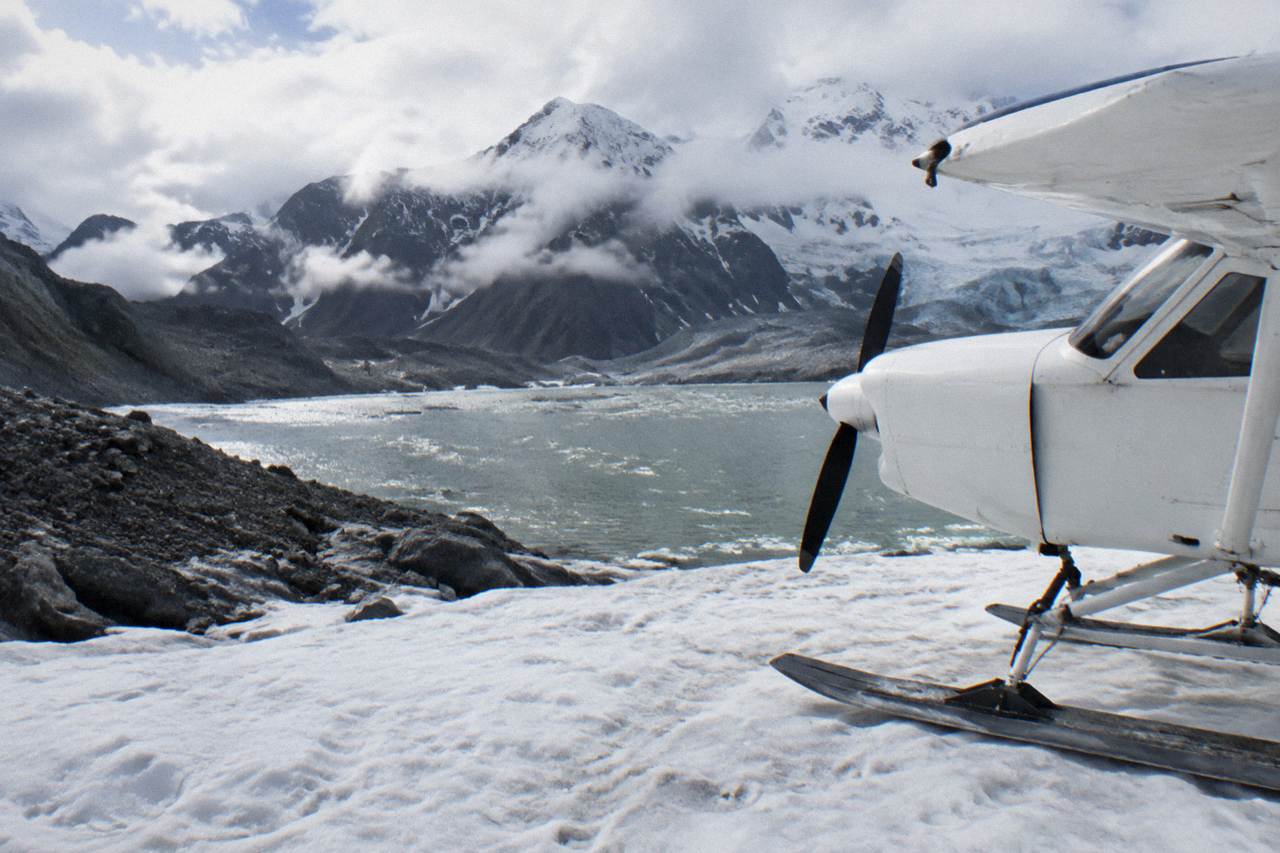
Short answer
Mount Cook flights run 7 days a week weather permitting, with weather calls possible up to about 10 minutes before departure. Glacier landings run year round; snow at the alpine landing is not guaranteed roughly December to March. A weather cancellation by the operator means a full refund or a free reschedule.
Aoraki / Mount Cook stands 3,724 m above sea level, the tallest peak in New Zealand, and it makes its own weather. Glaciers cover about 40% of the national park that carries its name, and those icefields feed the cloud, wind and whiteout cycles that decide, every single day, which scenic flights actually leave the ground. Operators fly 7 days a week weather permitting, and a decision on whether your flight goes can come as late as about 10 minutes before departure.
That is not a flaw in the system. It is the system. A flight over the Southern Alps is one of the few travel purchases where the seller can honestly tell you, the evening before, that the product may not exist tomorrow. Understanding how the weather works here, how to read the forecast, and what each season does to a glacier landing is the difference between a smooth booking and a stressful one.
This guide walks through the questions a weather-checking reader actually asks: how fast conditions change, where to look before you fly, what happens to your money when a flight is scrubbed, and how the calendar affects the snow under the skis. Throughout, the focus stays on practical planning rather than meteorology, because your decision is a month and a booking window, not a barometric chart.
How Fast Does Mount Cook Weather Change For Scenic Flights?
Alpine weather at Mount Cook can shift within a single morning, and operators treat the go or no-go call as a rolling decision rather than a verdict made the night before. Decisions can come from early morning until about 10 minutes before departure, and when a cancellation looks likely the operator aims to give notice the day before. Booking a flight for your first full day in the region, rather than your last, is the standard advice.
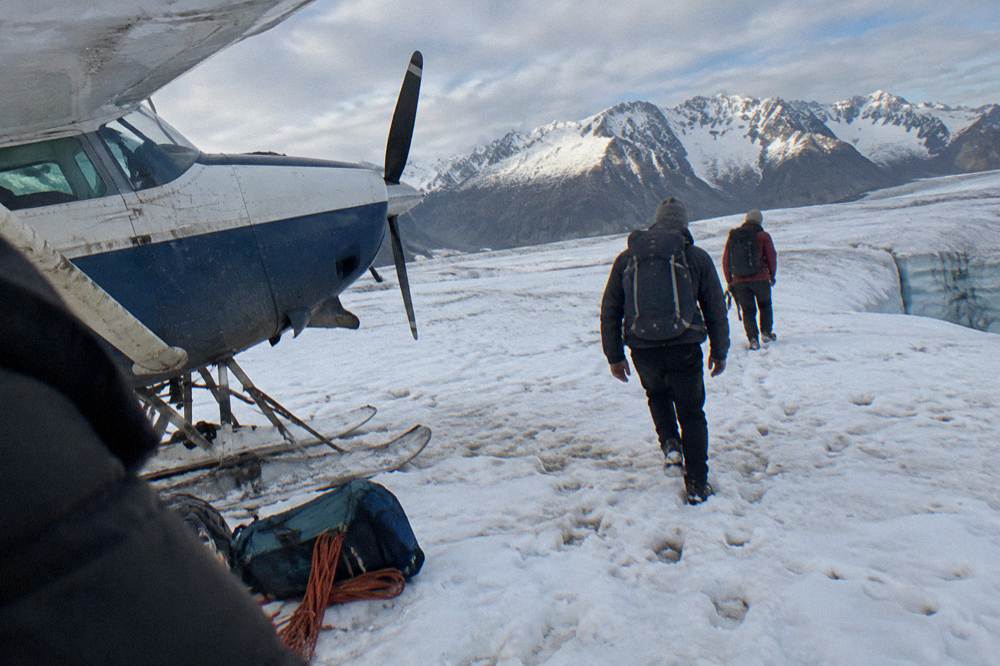
The reason is geography. Aoraki / Mount Cook sits where moist air off the Tasman Sea is forced up and over the Main Divide, so the west side of the alps and the east side, where the flight bases are, can hold completely different skies on the same afternoon. A crystal-clear morning in the village can sit under a cloud sea pouring over the divide by lunchtime, and the reverse happens too.
What this means for a reader planning a trip is simple: a single dry forecast icon on a phone app tells you almost nothing useful. The operators who fly here every day read a combination of cloud base height, wind at altitude, visibility on the landing sites and the freezing level, and they weigh them against the specific route of each flight. A 25-minute alpine-landing flight can go when a 55-minute Grand Circle is grounded, and vice versa when valley fog sits low but the high country is clear.
If your flight is cancelled, you want days remaining in your stay to take the free reschedule rather than losing the experience to a departure the same afternoon as your outbound drive. For more on the mechanics of a cancelled flight, the weather cancellations at Mount Cook guide covers timelines, refunds and rebooking in detail.
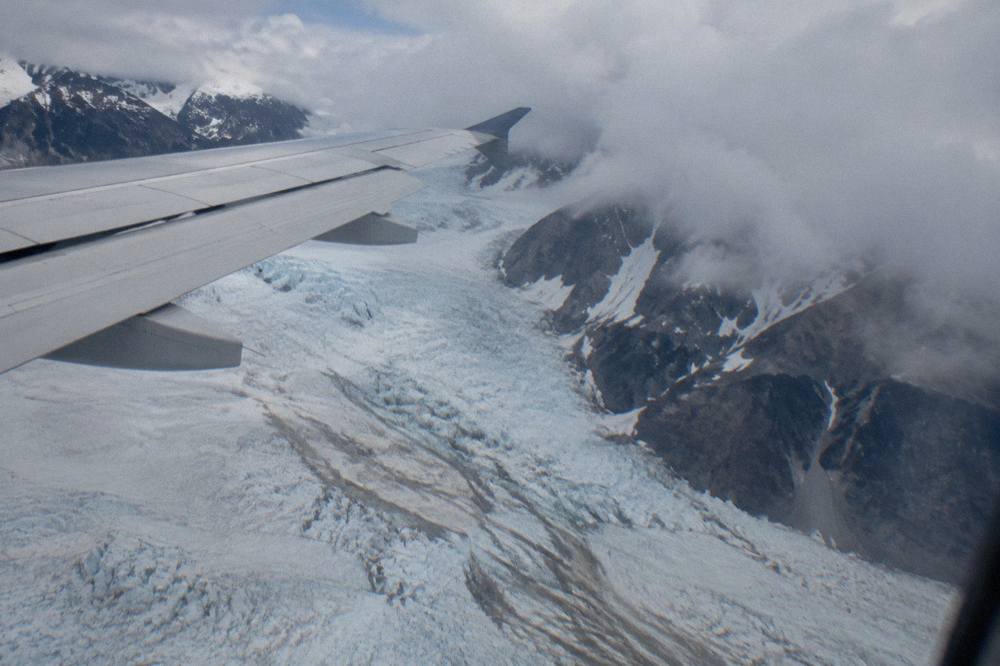
Where Do You Check The Mount Cook Forecast Before A Flight?
Two official sources carry the weight: the MetService mountain forecast for Aoraki / Mount Cook National Park, which covers wind, cloud and freezing level in the alps, and the NZTA highway conditions page for SH80 and SH8, which tells you whether you can physically reach the airport. For road access, conditions can be limited by snow from June to September.
Start with the MetService alpine forecast for Aoraki / Mount Cook National Park. The mountain forecasts give a far more useful picture than a generic village weather app, because they report the free air freezing level and the wind at summit level, the two numbers that matter most for both the flight and the landing site.
Then check the NZTA journey conditions for the Mount Cook road. Aoraki / Mount Cook village sits at the end of SH80, off SH8, roughly 3.5 hours by road from Queenstown and 4.5 hours from Christchurch, with Twizel an hour away and Tekapo 1.5 hours. Snow can restrict that access road between June and September, and no forecast window matters if you cannot get to the airport. The park itself has no entry fee, though parking at White Horse Hill is paid.
| Source | What it tells you | Why it matters for a flight |
|---|---|---|
| MetService mountain forecast, Aoraki / Mount Cook National Park | Wind, cloud and freezing level in the alps | The go or no-go factors operators weigh, at altitude rather than village level |
| NZTA highway conditions, SH80 and SH8 | Road state, snow and closures | Access can be limited June to September; you cannot fly if you cannot reach the airport |
| DOC Aoraki / Mount Cook National Park page | Park conditions and advisories | General reference, including the year-round avalanche situation |
Beyond those two, the DOC page for Aoraki / Mount Cook National Park is the reference for park conditions generally, including the year-round avalanche warning that applies to the mountains around every flight path.
If you are weighing your odds for a specific season rather than a specific week, the best time of year for a Mount Cook scenic flight guide compares the seasons across price, daylight and snow certainty.
Choosing a flight while the forecast is still settling is easier with a shortlist. These three alpine-landing options cover the spread of price and duration among the flights departing right around the mountain.
What Happens If Your Mount Cook Flight Is Cancelled For Weather?
A weather or operational cancellation by the operator means a full refund or a free reschedule, and bookings made on a booking page carry free cancellation with a full refund up to 24 hours before the start. Inside the final 24 hours the fare is refundable only if the operator cancels, not if you do, which is why the advice is to book early in your stay and keep a buffer day. You are not gambling your money on the weather, only your timing.
The structure matters. Inside 24 hours, if the weather turns and the operator cancels, you are protected: the flight is either rebooked to another day at no cost or refunded in full. The Helicopter Line states plainly that a weather cancellation on its Mount Cook flights means a rebook or a full refund; with other operators, check each booking's terms. This is why a cancelled flight is a scheduling problem, not a financial one.
The harder case is a fine-weather day you cannot make. Free cancellation up to 24 hours before start means you can pull out of a morning flight the previous morning if your own plans shift, but inside that window a no-show is generally not refundable. That 24-hour line is worth knowing before you book a flight for the final afternoon of a trip, because a late itinerary change there can cost the full fare.
Notice practices help you plan around the risk. When a cancellation looks likely, operators aim to tell you the day before, but final calls can come as late as about 10 minutes before departure when conditions are borderline. Treat the hours before a flight as flexible, keep your phone reachable, and do not book a tightly timed commitment straight after a scheduled departure slot.
The cheapest landing flight on this site with a substantial review history is the Mount Cook Scenic Helicopter Flight with Alpine Landing, from $194 per person, rated 4.7 across 530 reviews, a 25-minute scenic flight with an alpine landing out of Mount Cook Airport. Alpine-landing flights are short, and the landing only goes ahead when conditions allow; the alpine landing flight page has the current departure options. A mid-length alternative from a second base, the Mountains High 40-Minute Helicopter Flight from Glentanner Park, from $404.88 per person and rated 4.8 across 61 reviews, spends longer over the range and so asks a little more of the sky.
How Does The Season Change A Glacier Landing At Mount Cook?
Glacier landings run year round, and a landing directly on a glacier gives more certainty of snow in every month. The seasonal exception is the alpine landing on short helicopter flights: the landing site holds snow about 95% of the year, though snow is not guaranteed in summer, roughly December to March, so a flight booked in those months can land without it. Winter adds a road-access question, not a landing question.
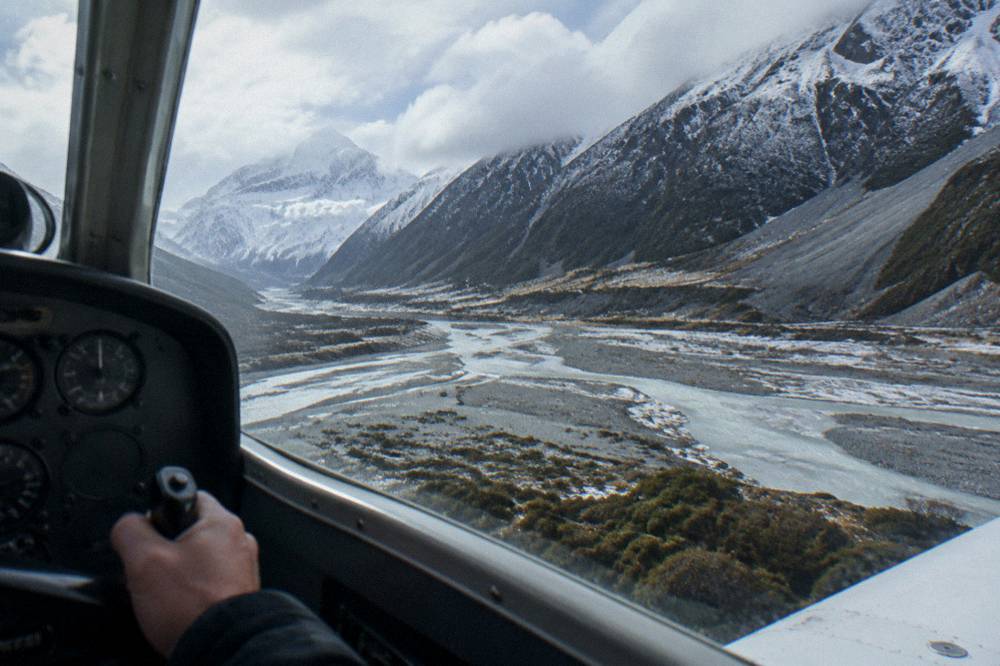
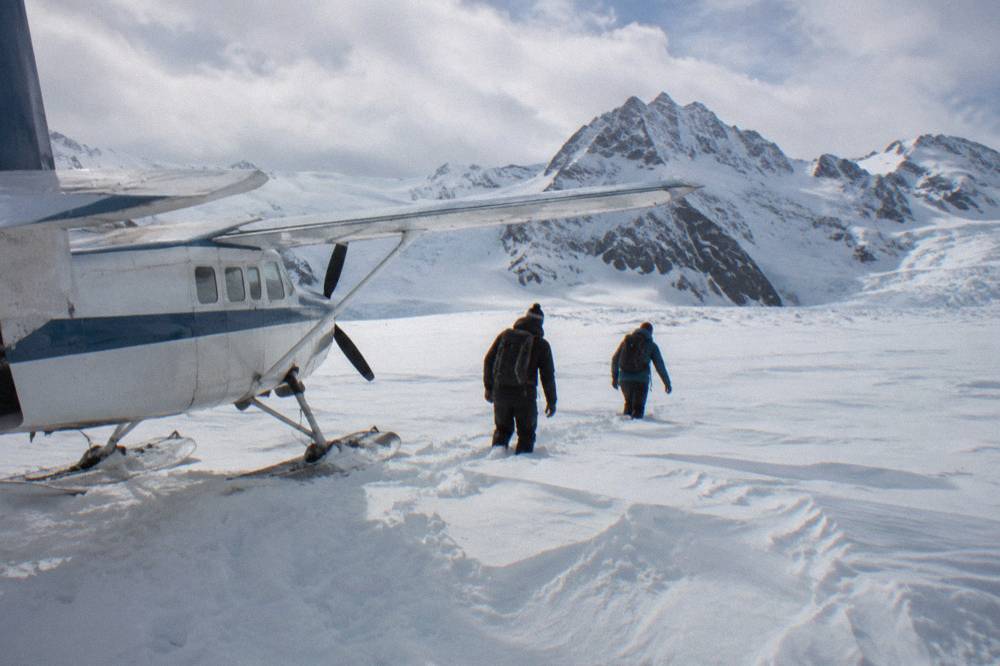
The distinction between landing types does the work here. An alpine landing sets down on a peak or ridge snowfield; a glacier landing sets down on the ice of the glacier itself, and the operator confirms the exact site on the day. Because the Tasman Glacier is New Zealand's largest, 23 km long and up to 3 km wide, it holds snow at its upper reaches through the summer in a way a ridge-top snowfield does not. DOC records Mount Cook Ski Planes as the concessionaire for snow landings on the Tasman Glacier, and operators describe the region as the only place in the Southern Hemisphere with year-round glacier landings by ski plane.
| Landing type | Where it sets down | Snow certainty | Seasonal note |
|---|---|---|---|
| Glacier landing | Directly on the glacier ice | Snow year round | The Tasman Glacier is the main site |
| Alpine landing | A peak or ridge snowfield | Snow most of the year | No snow roughly December to March |
| Overflight (fixed-wing) | No landing at all | Not affected | Cloud over the summit is the main risk |
For readers choosing a summer trip, the practical translation is this: if standing on snow is the point of the flight, book a glacier-landing product rather than a short alpine-landing one, and check that the flight you are comparing actually includes a landing, because the fixed-wing flights from Tekapo and Queenstown are overflights with no glacier landing at all. The 45-minute Glacier Highlights flights from Mount Cook Airport, by ski plane or by helicopter, include a glacier landing with generally 10 to 15 minutes on the snow, from $397.02 per person.
The combo product goes further: the Mount Cook Ski Plane and Helicopter Glacier Combo Flight, from $277 per person and rated 4.7 across 378 reviews, is a 45-minute flight in which one aircraft lands on the Tasman Glacier and the other collects the passengers, with 10 to 15 minutes on the snow.
Winter flips the risk from the landing to the drive. Access along SH80 can be limited by snow from June to September, so a winter booking pairs the MetService forecast with the NZTA road page before you set out, and the same book-early-in-the-stay rule applies with extra force. Landing sites are typically 1 to 3 degrees cooler than the airport, whatever the season, which is a bigger deal in July than in January.
What Does Each Flight Type Need From The Weather?
Short valley flights need the cloud base above the surrounding ridges, long Grand Circle flights also need the Main Divide crossing to be clear, and every landing flight needs the specific landing site flyable. A 25-minute flight can depart on a day that grounds a 55-minute one, so the weather risk of your booking depends on the route, not just the date. Matching flight length to forecast confidence is the single most useful planning move.
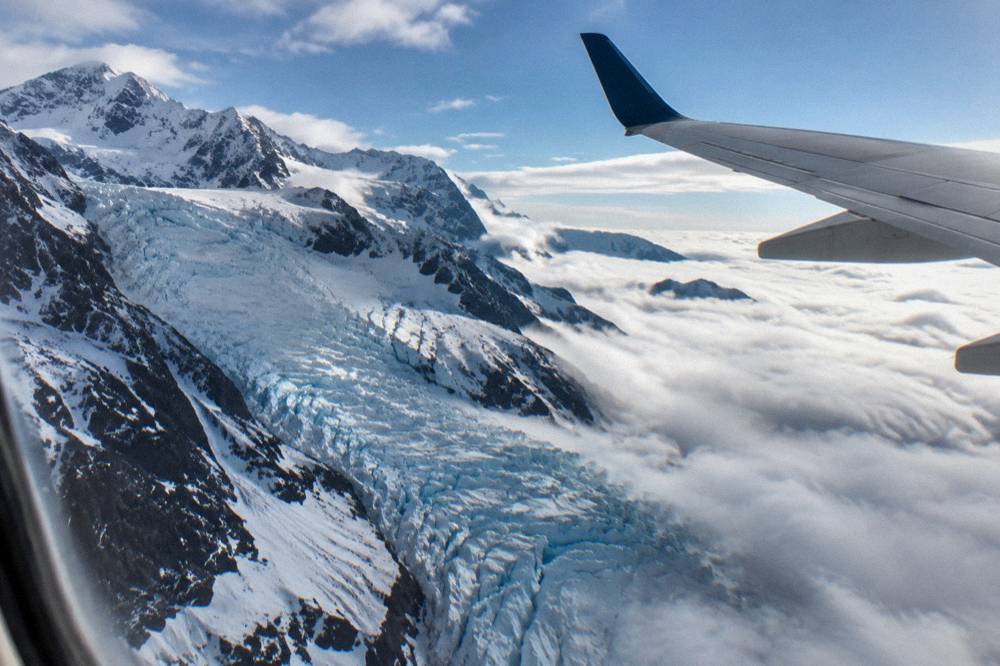
The flights covered here divide into four families, and their weather dependencies differ in ways worth knowing before you pick. Fixed-wing overflights from Tekapo and Queenstown cover huge distance quickly, so their exposure is en-route cloud over the summit. Short helicopter alpine landings stay close to the airport. Mid-length glacier flights climb the Tasman Valley to the ice. The longest routes cross the divide toward the West Coast glaciers, which is the most weather-sensitive leg of all.
| Flight type | Route character | Weather dependency | Landing |
|---|---|---|---|
| Fixed-wing overflight (Tekapo, Queenstown) | Long transit to view Aoraki from a distance | Cloud over the summit massif | None |
| Short alpine-landing helicopter (about 25 minutes) | Quick climb to a nearby ridge or peak | Cloud base and wind near the airport | Alpine, snow not guaranteed December to March |
| Mid-length glacier-landing flight (40 to 50 minutes) | Up the Tasman Valley to the glacier ice | Cloud and wind along the valley and on the ice | Glacier, snow year round |
| Grand Circle, 55 minutes | Crosses the Main Divide to the West Coast glaciers | The divide crossing must be clear as well as the landing site | Glacier, snow year round |
| Heli hike | Short transfer flights plus hours on foot | Needs a stable window for two flights and ground time | Glacier, snow year round |
Two facts from the flights covered here sharpen the picture. The 55-Minute Scenic Flight in Helicopter or Ski Plane from Mount Cook Airport, from $388 per person, spends a full 55 minutes in the air, with the landing not stated, so plan on sightseeing rather than a snow landing. And the most reviewed flight from Mount Cook Airport, the 25-minute alpine landing at 530 reviews, is short, popular, and strictly weather dependent; every landing flight here is weather permitting, never promised.
The Glentanner Park base adds a wrinkle. Glentanner Airport is a different airfield from Mount Cook Airport, about 15 minutes before the village, and the two are often confused; check which one your booking names before you drive, because a weather-related re-plan is stressful enough without standing at the wrong airfield. The Helicopter Line's 55-minute Mount Cook and the Glaciers flight departs Glentanner, allows about 1.5 hours including the briefing, and offers a rebook or full refund on a weather cancellation. Terms differ between operators, so check each booking's terms before you pay.
Does Wind Or Cloud Ground More Mount Cook Flights?
Both do, but they fail differently: low cloud blocks the landing sites and the divide crossings, while strong wind at altitude limits which aircraft can fly and where they can set down. Operators weigh cloud base, visibility, wind and the freezing level against each specific route, which is why two flights can get opposite decisions on the same morning. There is no single go or no-go number, and the pilot's judgement on the day is final.
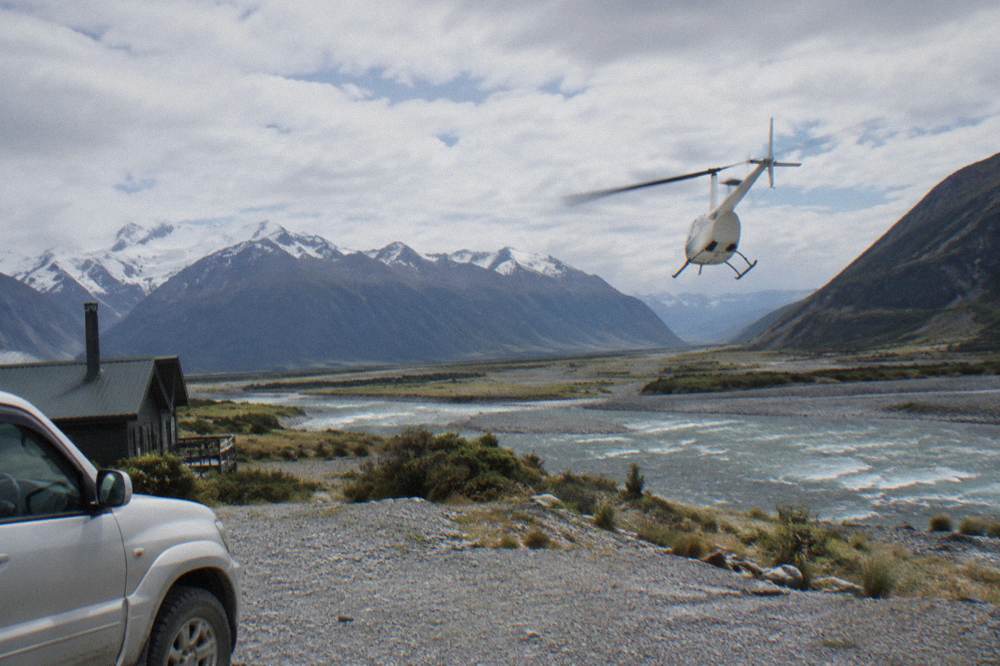
Cloud is the everyday problem. The classic pattern is northwesterly flow pushing cloud over the Main Divide, which can leave the village in sunshine while the Tasman Glacier landing sites are shut inside cloud. Flights that stay east of the divide, the short alpine landings and the valley glacier flights, can still operate in that setup, which is a concrete reason to have one of them in your back pocket if your Grand Circle gets scrubbed.
Wind is the harder constraint because it affects the landing itself, not just the route. A snow landing requires wind light enough for the aircraft to hold position on the slope, and wind strengths that make for a bumpy but safe overflight can still stop a landing outright. This is one reason the minutes on the snow, generally 10 to 15 on the Glacier Highlights, Grand Circle and ski plane plus helicopter combo flights, sit inside the total flight duration: the landing is the delicate part, and the pilot manages the time on the surface against conditions.
For passengers, none of this needs to be your problem to solve. What it changes is expectation-setting: a flight described as 45 minutes can be flown as something slightly different if the pilot redirects around weather, and the landing site is always confirmed on the day. What you paid for is the flight experience rather than a fixed GPS track, and any landing stays subject to conditions on the day. Readers who want to know how often flights actually get away should read how early to book a Mount Cook scenic flight, which frames the booking-window question against exactly this variability.
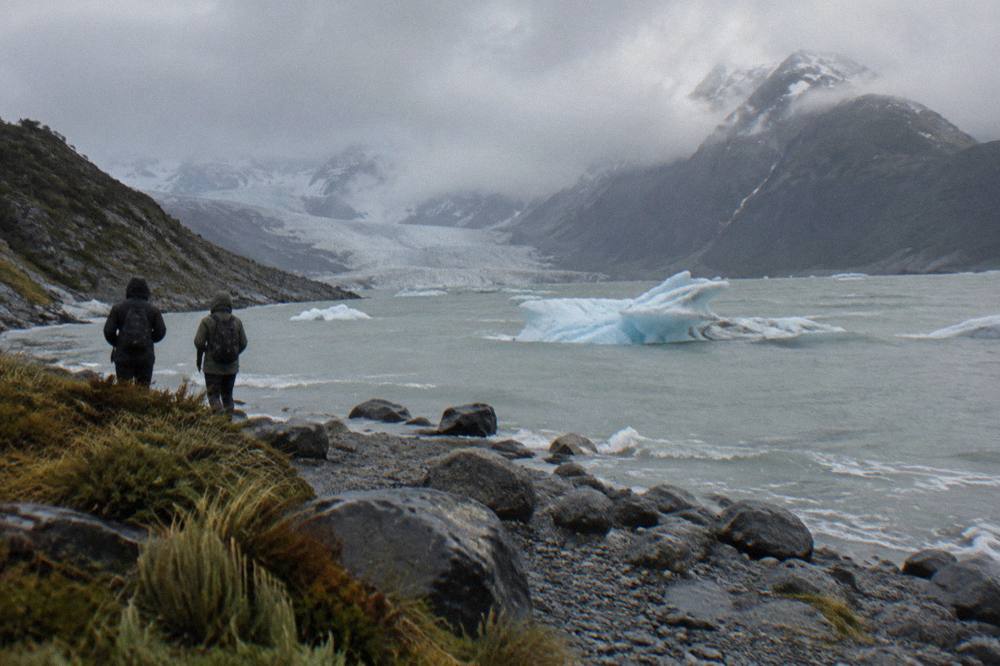
When Should You Book To Beat Bad Weather At Mount Cook?
Book the flight for early in your stay, not the end, so a weather cancellation leaves room for the free reschedule. Operators advise exactly this: minimum passenger numbers apply on most flights and weather moves departures, so a booking on day one or two of a multi-day visit can absorb a postponement that would kill a last-day booking. Free cancellation up to 24 hours before start keeps the early booking cheap to change. For a fuller picture of how far ahead to lock in a date, the guide to booking timing for a Mount Cook scenic flight walks through operator advice on advance windows and reschedule terms.
The arithmetic is blunt. If you fly in for two nights and book the flight for the afternoon you leave, a single bad front ends the story with a refund instead of a memory. The same booking made on arrival day, with a spare morning behind it, usually survives one postponement. Travelers staying a week in the Mackenzie region barely need to think about it; travelers on a whistle-stop itinerary should think about it a lot.
Day of the week matters less than you might hope, because the operators fly every day, weather permitting, and the constraint is the sky rather than the schedule. Season matters mostly through the road: between June and September, snow can limit access along SH80, so winter bookings want even more slack, both for the flight and for the drive from Twizel, Tekapo, Queenstown or further afield.
| Booking position in your stay | Weather risk | Best use |
|---|---|---|
| Last day, tight onward travel | One bad front ends it with a refund | Avoid |
| Mid-stay | Survives one postponement with a spare half-day | Reasonable default |
| First or second day | Absorbs a reschedule and still leaves margin | What operators advise |
| Two bookings, different days or bases | Book early in your stay; free cancellation up to 24 hours before start | For short, fixed itineraries |
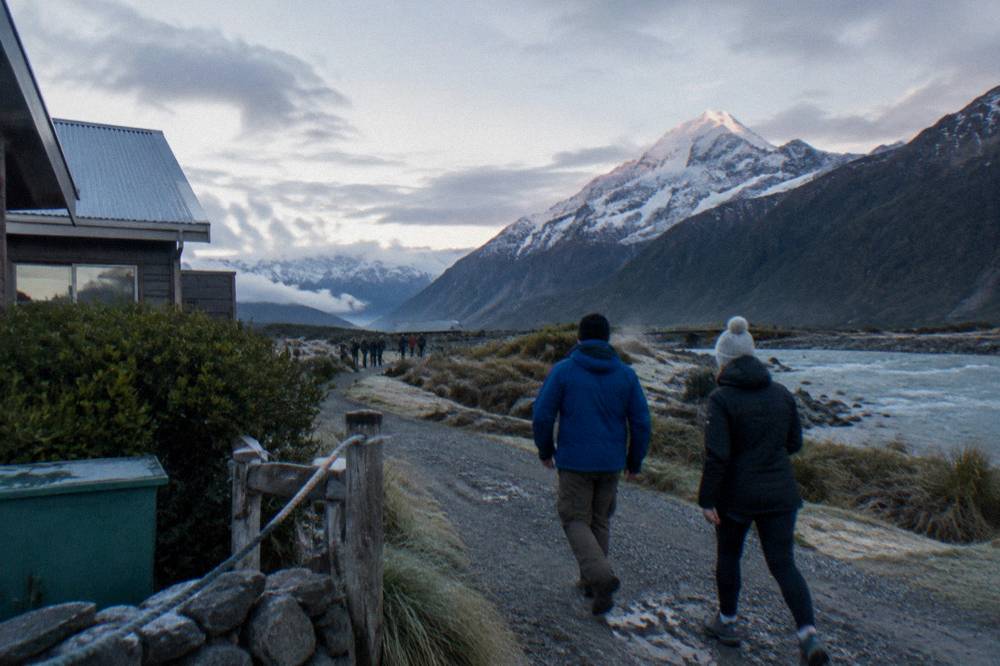
Booking two different flights on different days improves your odds of catching a clear weather window, and the one you do not need can be cancelled free up to 24 hours before it starts. It costs nothing if managed carefully, and it improves your odds of actually getting airborne. The West Coast flights give that strategy extra reach, because Franz Josef and Fox Glacier sit in a different weather system from Mount Cook: a day that grounds flights at Mount Cook Airport can be perfectly flyable from 10 Main Road, Franz Josef.
The Franz Josef 35-Minute Helicopter Trip over Two Glaciers, from $274.00 per person and rated 4.9 across 545 reviews, includes a snow landing with 10 minutes on the snow, and makes a strong hedge for anyone touring both coasts. From Fox Glacier, the Mount Cook and Fox Glacier flight with snow landing, from $267.98 per person, covers similar ground from the west.
What Should You Wear For Mount Cook Weather On A Flight?
Dress in warm layers with long pants, a light sweater or jacket, sunglasses and sturdy closed-toe shoes, whatever the forecast says, because landing sites run 1 to 3 degrees cooler than the airport and snow glare is strong even under cloud. A camera or phone completes the kit. For the heli hikes the list is firmer still: 3 to 4 warm layers, warm trousers, no jeans, hat, gloves and a daypack.
The temperature gap surprises people who dress for the village. Sunglasses are not a style suggestion; glare off a glacier under broken cloud is intense, and eye comfort is the difference between looking at the scenery and squinting at it. Footwear matters for the same reason, since a snow landing means walking on snow or ice, sometimes soft.
The heli hikes, which run about 3 hours with up to 2 hours on the glacier, take the clothing question seriously because you are out in it for hours, not minutes. Mt Cook Glacier Guiding sets a minimum age of 9, requires parental consent under 18, and applies a minimum group size on its own terms. The 3-Hour Heli Hike to the Tasman Glacier run by The Helicopter Line, from $552.00 per person and rated 4.8 across 270 reviews, pairs a helicopter flight with a guided walk on the ice, and pickup is included. The guided hike details are in the Tasman Glacier heli hike guide, and the full packing logic lives in what to wear on a Mount Cook ski plane flight.
One more clothing-adjacent rule worth knowing: no drones or selfie sticks on the Mount Cook Airport flights, and seats are assigned by the pilot for weight and balance rather than chosen at booking. The individual weight limit on those flights is generally 116 kg and passengers may be weighed at check-in, with other operators stating limits from 120 kg to 200 kg depending on the aircraft. None of this is weather, but it is the rest of the fine print that decides how the day actually goes, and Mount Cook Ski Plane keeps the full per-flight details alongside this guide.
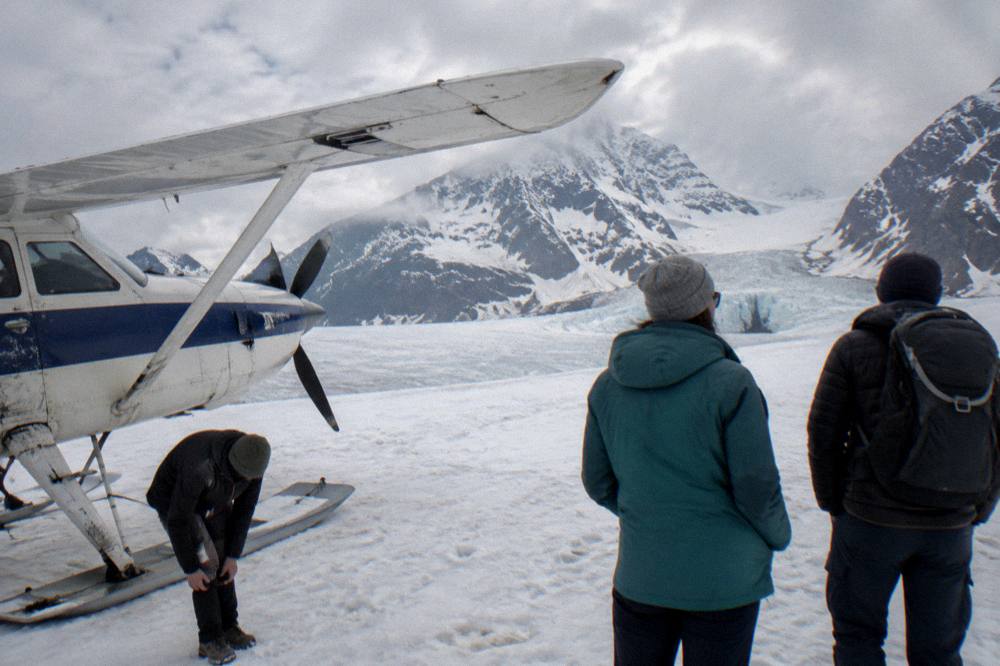
A short checklist before you leave for the airport: layers you can add on the snow, sunglasses, closed-toe shoes, a charged phone or camera, and the check-in time from your booking email. Arrive by the time your booking email states, park free at Mount Cook Airport, and keep the afternoon loose. If the forecast is borderline, ask the operator about village transfers rather than assuming; transfers are not included, though limited pre-booked pick-ups from village accommodation may be available on request.
By now the shape of a weather-smooth booking should be clear: an early slot in your stay, a flight whose landing type matches the season, a fallback in a different weather system if you are touring widely, and layers in the bag regardless. These three flights are the ones most worth checking against your dates.
Common Questions About Mount Cook Weather
How Fast Does Mount Cook Weather Change For Scenic Flights?
Very fast. A go or no-go decision can come from early morning until about 10 minutes before departure, and conditions on either side of the Main Divide can differ completely on the same day. Operators aim to give notice the day before when a cancellation is likely, but borderline days are decided close to departure.
What Happens If My Mount Cook Flight Is Cancelled For Weather?
A weather or operational cancellation by the operator means a full refund or a free reschedule. Bookings also carry free cancellation with a full refund up to 24 hours before the start. Inside 24 hours, the operator's cancellation terms govern rather than your own change of plans.
Does The Glacier Landing Have Snow In Summer?
Glacier landings, which set down directly on the ice of the Tasman Glacier, run year round. Alpine landings on ridge or peak snowfields have snow most of the year but not roughly December to March, so summer bookings on short alpine-landing flights should not count on snow underfoot.
Where Should I Check The Mount Cook Weather Forecast?
Use the MetService mountain forecast for Aoraki / Mount Cook National Park for cloud, wind and freezing level, and the NZTA highway conditions page for SH80 and SH8 to confirm road access, which can be limited by snow from June to September. Generic village weather apps miss the alpine picture.
Is Winter A Bad Time To Book A Mount Cook Flight?
No, glacier landings are offered year round, and every landing remains weather and conditions permitting. The winter risk is mainly the drive: access along SH80 can be limited by snow between June and September, so book early in your stay and check the road conditions before travelling.
When Should I Book My Flight To Avoid Weather Problems?
Book for early in your stay rather than your last day, so a weather cancellation leaves room for the free reschedule. Operators advise exactly this, and minimum passenger numbers on most flights mean departures can also be rescheduled or combined for reasons beyond weather.