Best Season To Fly Over Mount Cook
Ski planes and helicopters lift off from Mount Cook Airport in every month of the year, so the honest answer to the season question is not a single month. It is a trade-off between snow certainty on the landing, road access in winter, and how much room you leave yourself to rebook if alpine weather turns.
Short answer
Flights over Aoraki / Mount Cook operate seven days a week year round, weather permitting, and glacier landings are offered in every season. Alpine landing sites can be snow-free roughly December to March, and road access can be limited June to September by snow. There is no single best month; book early in your stay so a weather shift can be absorbed.
Choosing a season for a flight over Aoraki / Mount Cook is really choosing a booking date. The aircraft fly in January and they fly in July; what changes between those months is the state of the snow at the landing site, the state of the road that gets you to the airport, and how many spare days you have in the village if the weather closes in. This guide works through those trade-offs using the operator and Department of Conservation facts that are actually on record, and it deliberately avoids crowning one month as the winner, because no verified source supports that claim.
The baseline comes from the operators themselves. Mount Cook Ski Planes and Helicopters, based at Aoraki Mount Cook Airport on State Highway 80, has operated in the park since 1955 and describes its flights as running seven days a week, weather permitting, in every month. The same operator describes the region as the only place in the Southern Hemisphere with year-round glacier landings by ski plane. That single sentence dissolves most of the season anxiety: the headline experience, standing on a glacier under Aoraki, is on the menu in spring, summer, autumn and winter alike, conditions allowing. For travelers still weighing which month suits them best, the winter versus summer comparison for Mount Cook scenic flights covers how glacier snow, road conditions, and alpine weather shift across the seasons.
Is There A Best Month To Fly Over Mount Cook?
No verified source names a best month, and this guide will not either. Operators fly seven days a week year round, weather permitting, glacier landings run in every season, and the honest planning advice is to book early in your stay so a weather cancellation can be rebooked into a later day rather than ending the idea altogether.
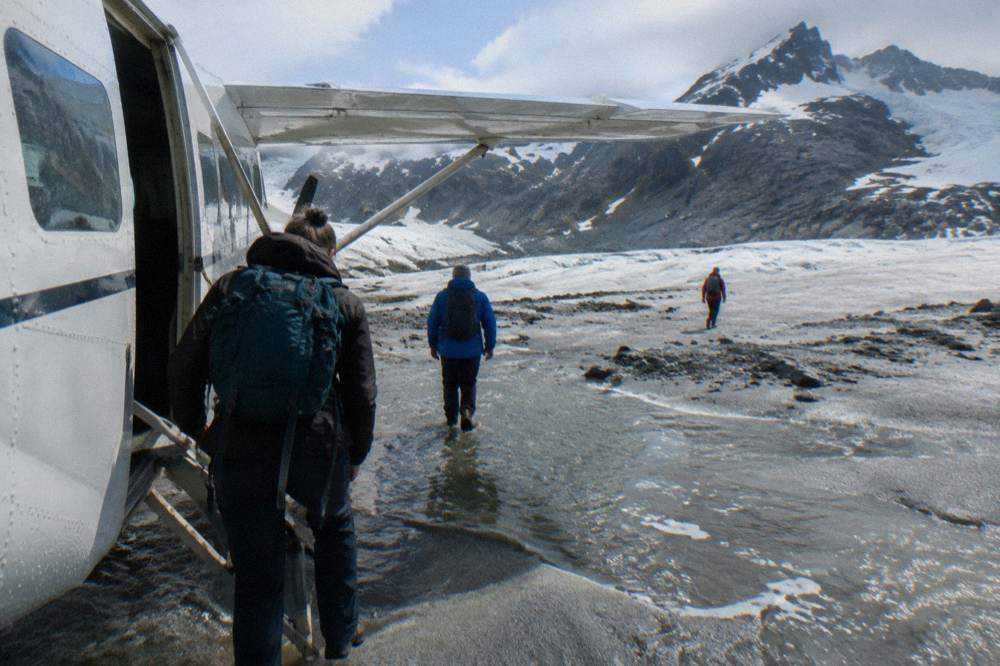
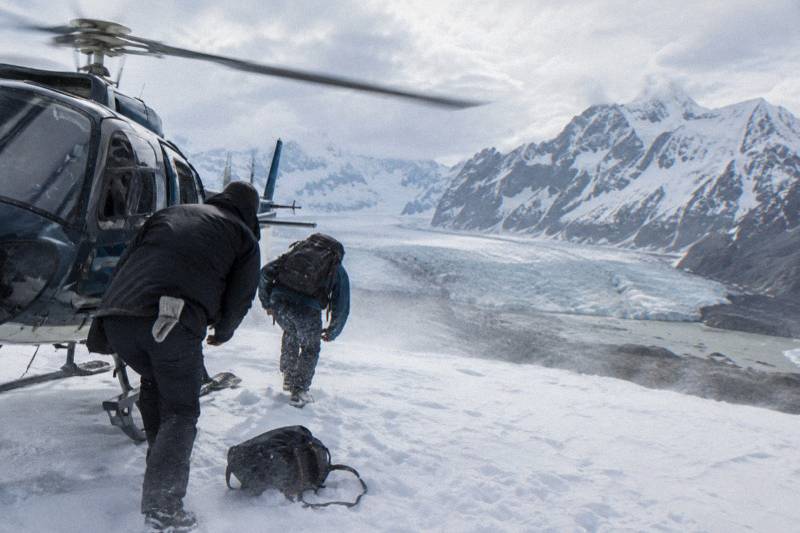
What is verifiable is a set of seasonal facts, and they pull in different directions. Glacier landings, which put you down directly on the ice of the Tasman Glacier, give more certainty of snow all year, in the operator's own words. Alpine landings, which touch down on a peak or ridge snowfield, have snow most of the year but not roughly December to March, so summer snow at an alpine site is not guaranteed. In winter, snow can limit road access on the route into the park between June and September, as the Department of Conservation notes for the park generally.
The practical read is that every season works, and each carries one trade-off you should know before you pick a date. Spring and autumn sit between the extremes, with glacier snow still solid and the roads generally clearer than midwinter. Summer offers the longest daylight and the easiest drive, with the caveat that an alpine landing site may be bare tussock or rock rather than snow. Winter maximizes snow certainty and mountain drama at the cost of access risk and shorter days. Whichever you choose, the Department of Conservation's park page for Aoraki / Mount Cook National Park is the source to watch for conditions, because avalanches can occur in any season there.
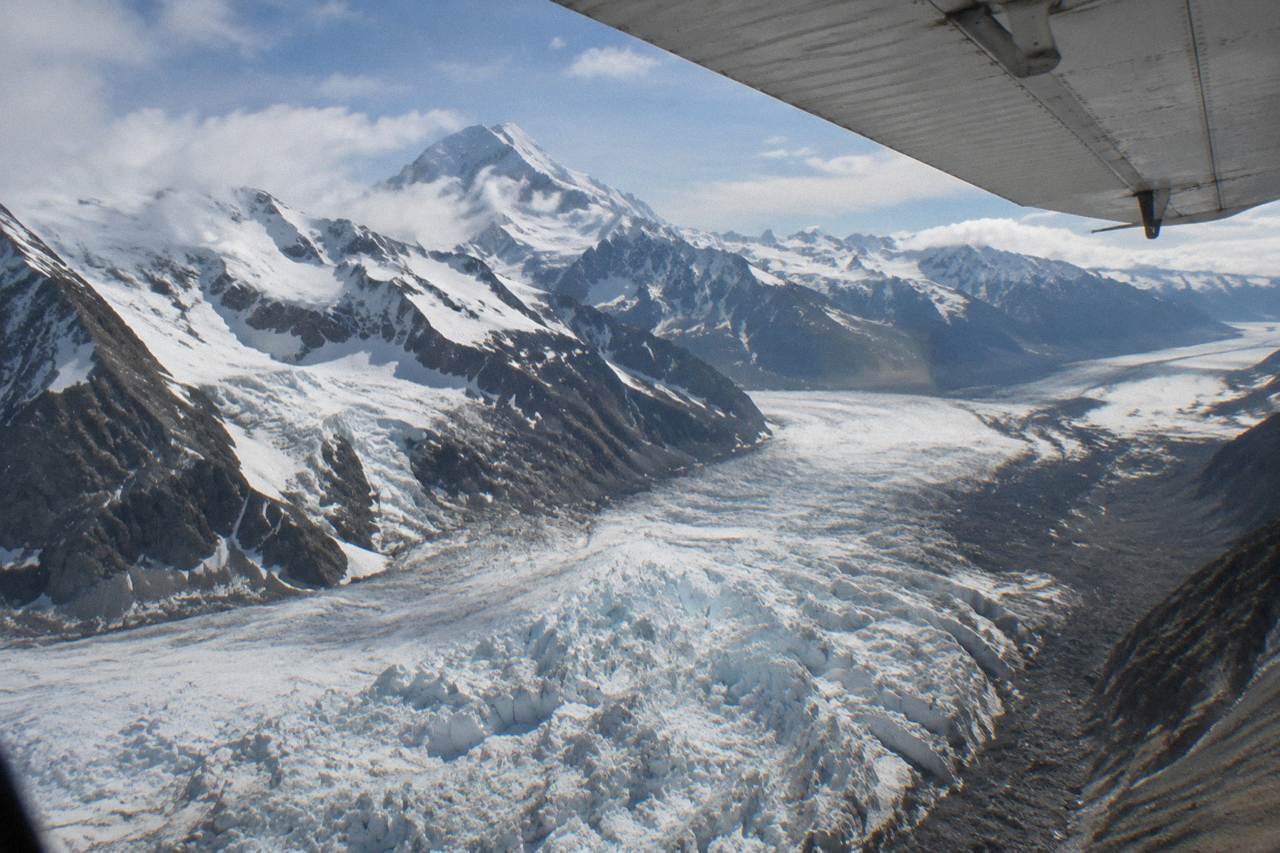
One more fact worth folding in: Tasman Glacier is New Zealand's largest and longest glacier, 23 km long and up to 3 km wide, with ice roughly 600 m deep near the Hochstetter Icefall. A feature of that scale does not vanish in a warm month. The landing you make in February is on the same glacier as the one you would make in August, and that is the strongest argument against waiting for a mythical perfect season.
Do Glacier Landings Run All Year From Mount Cook?
Yes. Glacier landings are offered year round from Mount Cook Airport, and DOC lists Mount Cook Ski Planes as the concessionaire for snow landings on the Tasman Glacier. Most ski plane and combo flights here include a glacier or snow landing, weather permitting.
That year-round claim deserves unpacking, because it is the single most misunderstood point about winter bookings. The glacier landing is a landing directly on the glacier ice, and the operator describes it as giving more certainty of snow all year than an alpine landing on a ridge above. The exact landing site is confirmed on the day by the pilot, which is why no honest article will promise where you will touch down, only that the landing is part of the product you are buying. Weather still governs everything: flights can be delayed, rescheduled or cancelled, and a weather or operational cancellation by the operator means a full refund or a free reschedule.
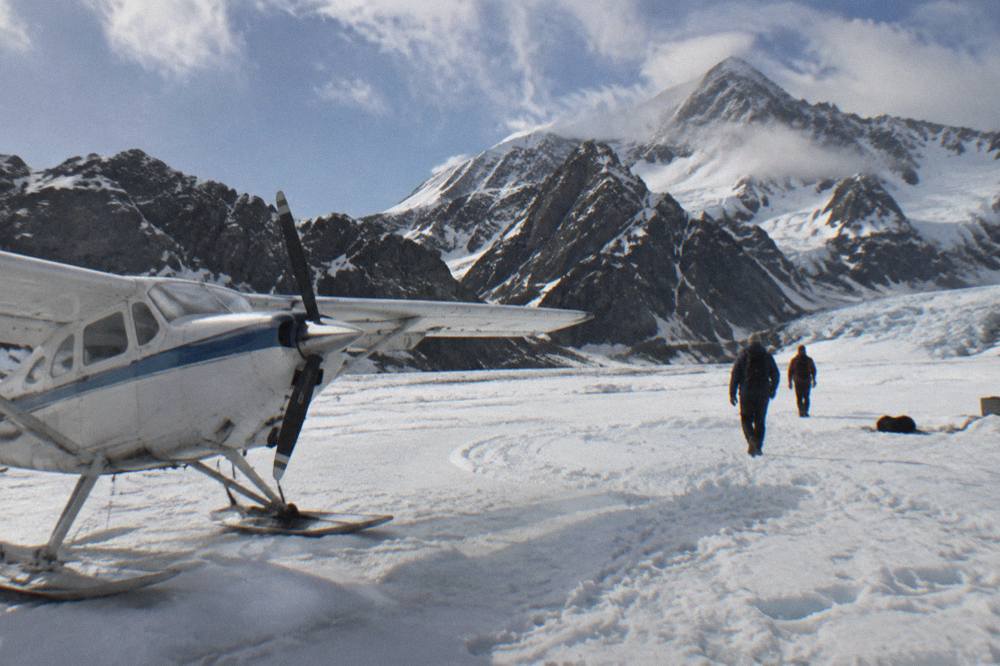
The three ski plane products that carry glacier landings from Mount Cook Airport are close cousins with different flight lengths, and all three can be booked in any season. The 45-minute Glacier Highlights ski plane tour, from $397.02 per person, rated 5.0 across 21 reviews, is the mid-length option. The Grand Circle, from $453.82 per person for a 55-minute flight, rated 5.0 across 16 reviews, extends the route across the Main Divide toward the West Coast glaciers before landing on the Tasman. The ski plane and helicopter combo, from $277.00 per person for a 45-minute flight and rated 4.7 across 378 reviews, is the most reviewed ski plane product covered here, and it splits the trip between both aircraft types. Each lists 10 to 15 minutes on the snow, inside the flight duration.
| Flight | Aircraft | Duration | From price per person | Rating and reviews | Landing |
|---|---|---|---|---|---|
| Ski Plane and Helicopter Glacier Combo | Ski plane plus helicopter | 45 minutes | $277.00 | 4.7 from 378 reviews | Glacier snow landing, 10 to 15 minutes on the snow |
| 45-Minute Glacier Highlights Ski Plane Tour | Ski plane | 45 minutes | $397.02 | 5.0 from 21 reviews | Glacier snow landing, 10 to 15 minutes on the snow |
| 55-Minute Grand Circle Ski Plane | Ski plane | 1 hour 5 minutes total | $453.82 | 5.0 from 16 reviews | Glacier snow landing, 10 to 15 minutes on the snow |
All three depart Mount Cook Airport on Mount Cook Road, and all three carry free cancellation with a full refund up to 24 hours before start, so the seasonal choice between them is about flight length and route, not about which month they operate in.
If the glacier landing is the reason you are flying, the season question mostly answers itself: pick a date that suits your trip, because the landing product does not switch off for winter or summer. What the season does change is the scenery around the ice, the clothing you want at the landing site, which is typically 1 to 3 degrees cooler than the airport, and the odds that your chosen day survives the weather. None of those argues for one month over another with enough force to build a trip around it.
When Can The Alpine Landing Be Without Snow?
The alpine landing sites have snow most of the year but not roughly December to March, so in the summer months an alpine landing may be on rock, tussock or gravel rather than snow. Glacier landings give more certainty of snow all year, which is the distinction that matters when booking a summer date.
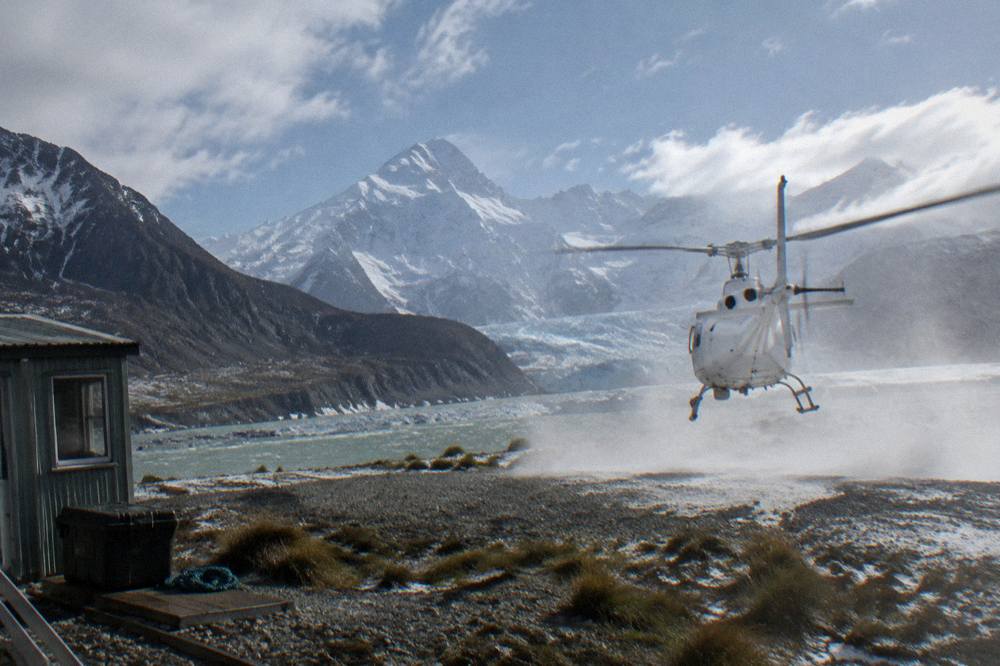
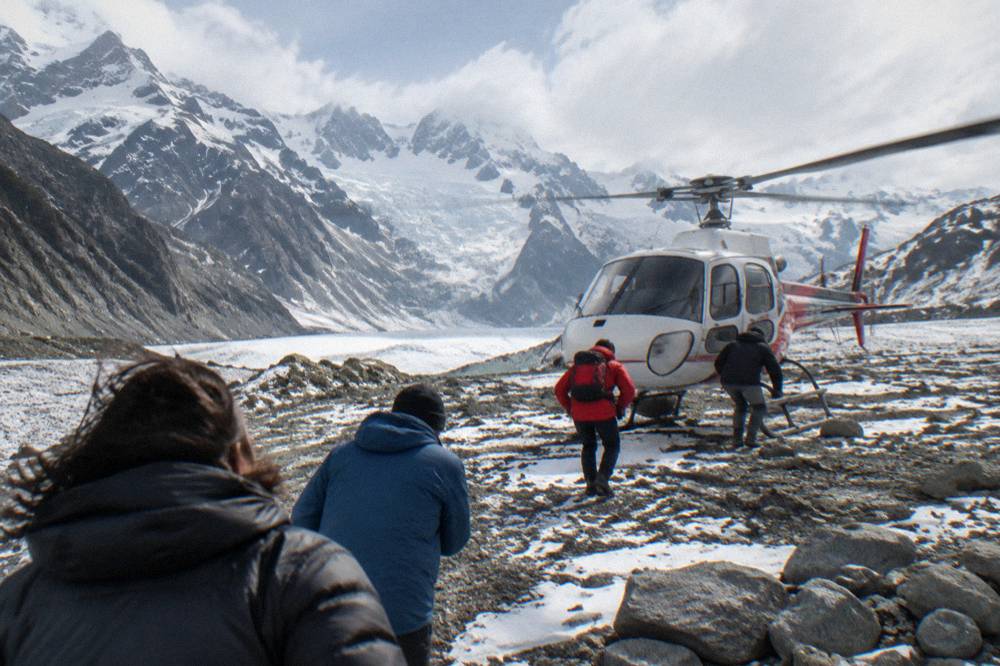
This is the one seasonal trap worth real attention. Two different landing types get sold under the broad label of a snow or alpine experience, and they behave differently across the calendar. A glacier landing puts the aircraft down on the Tasman Glacier itself. An alpine landing touches down on a peak or ridge snowfield, and the operator states plainly that snow at those sites is not guaranteed through the southern summer. The cheapest landing flight covered here, the 25-minute scenic helicopter flight with alpine landing from $194.00 per person and rated 4.7 across 530 reviews, is the most reviewed flight of the lot, and it is exactly the kind of product a summer visitor books expecting snow that may not be at the landing site.
| Landing type | Where you touch down | Snow across the year | Tours covered here that use it |
|---|---|---|---|
| Glacier landing | Directly on the glacier ice, usually the Tasman | Offered year round; more certainty of snow all year | Grand Circle ski plane, Glacier Highlights ski plane, ski plane and helicopter combo, heli hikes |
| Alpine landing | A peak or ridge snowfield | Snow most of the year, not guaranteed roughly December to March | 25-minute scenic helicopter flight, Helicopter Line alpine flights from Glentanner |
| Overflight | No landing at all | Not affected by snow, route only | Tekapo and Queenstown fixed-wing flights |
The table is the whole seasonal argument in one view, and it explains why two travelers on the same December day can report completely different experiences. The fix is simple: if standing on snow in summer is the point of the flight for you, choose a product whose booking details name a glacier landing, and read the description on the tour page before you commit. The Mount Cook Ski Plane coverage on this site breaks each product's landing type out flight by flight, so the check takes a minute.
Booking terms also matter more in summer than people expect, not because summer weather is worse, but because a packed itinerary leaves no slack. Every flight covered here carries free cancellation with a full refund up to 24 hours before start. If your chosen date is late in a short stay, a weather move becomes a refund instead of a rebook, so the same advice applies in every season: fly early in your time in the village.
How Does Winter Affect Getting To The Airport?
Access to Aoraki / Mount Cook can be limited by snow from June to September, DOC advises checking road conditions before travel, and the airport itself sits on State Highway 80 just before the village. Winter visitors should plan the drive as carefully as the flight, and check the highway status the day before.
The park sits at the end of State Highway 80, off State Highway 8, roughly 3.5 hours by road from Queenstown and 4.5 hours from Christchurch, with Twizel an hour away and Tekapo 1.5 hours. Those drive times are the operator's own, and they are the fair-weather version. In the June to September window, snow can restrict the highway, and DOC's standing advice is to check conditions with the NZ Transport Agency rather than assume the road is clear. Parking at Mount Cook Airport itself is free, and there is no entry fee for the park, though parking at White Horse Hill is paid under arrangements DOC confirmed would continue in a July 2026 release.
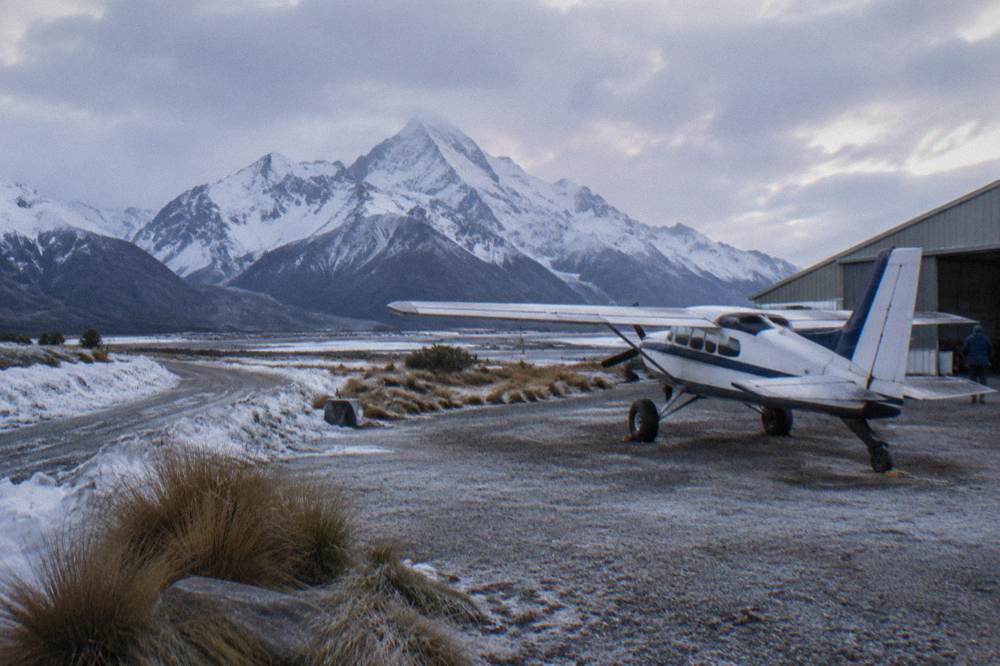
One point of confusion costs people flights every year: two different airfields serve the Mount Cook area. Mount Cook Airport on State Highway 80 is the base for the ski plane flights and the operator's helicopter flights. Glentanner Airport, about 15 minutes before the village, is the separate base used by The Helicopter Line for its alpine flights. They are often confused, so check which one your booking names before you drive. West Coast flights from Franz Josef and Fox Glacier, and fixed-wing flights from Tekapo Aerodrome and Queenstown, each have their own departure points listed on their booking pages.
Transfers are their own question. The operator does not include transfers, and limited pre-booked pick-ups from village accommodation may be available on request, so ask the operator rather than assuming. There is no shuttle from Twizel or Tekapo, which means a winter booking usually means a winter drive, and a morning flight means an early start from anywhere outside the village. That is the real cost of the winter season, and it is a road cost, not a flight cost.
What Does Each Season Look Like From The Air?
Each season repaints the same landscape: winter holds the deepest snow and most stable glacier cover, summer opens the longest daylight with bare lower rock and alpine sites that may lack snow, and spring and autumn sit between the two with fewer crowds and changing light. None of that changes what the flights cover.
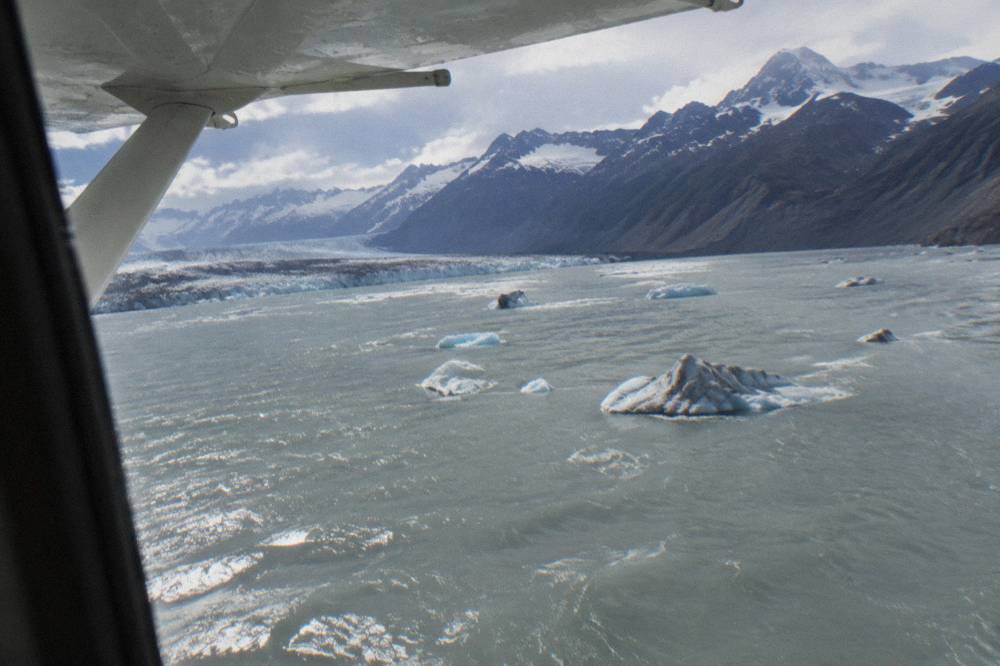
The route is a constant. The Grand Circle, whether flown by ski plane or helicopter, crosses the Main Divide to the Fox and Franz Josef glaciers and lands on the Tasman, and the shorter flights work the glacier country on the Mount Cook side. What changes across the year is the dressing. Winter wraps the whole route in snow, with glaciers at their most defined against white ridges. Summer strips the lower slopes to rock and tussock, and fills the Hooker Lake with icebergs that DOC notes speckle it in summer.
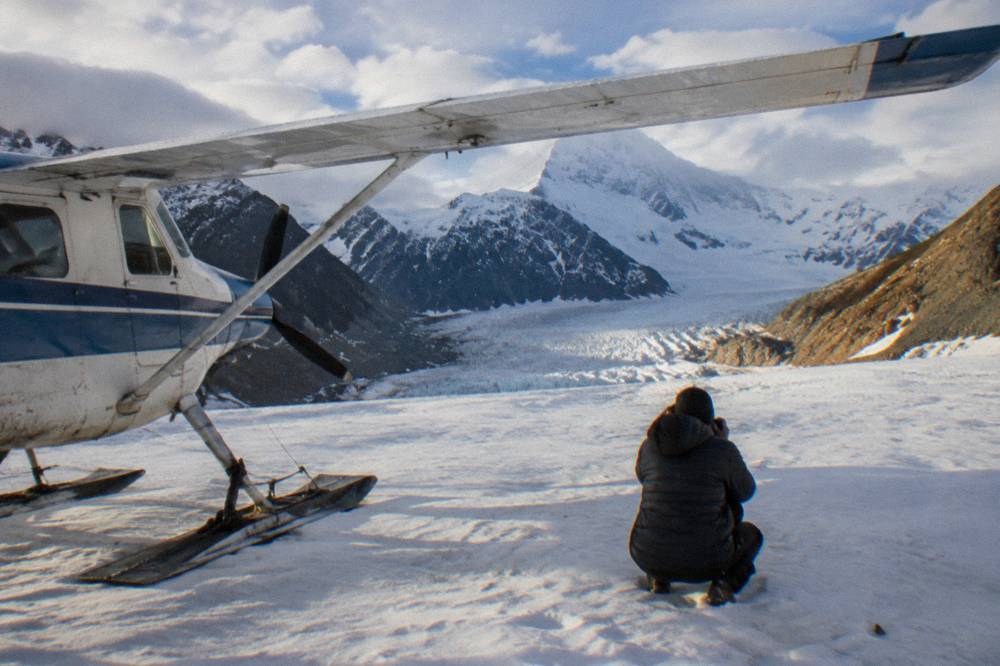
Photography is where season choice genuinely bites, and it interacts with aircraft choice more than month choice. If that trade-off matters to you, the comparison in ski plane or helicopter for photos is worth a read before you pick a date, and the broader question of whether the flight is worth it is covered in its own guide.
The Grand Circle ski plane is the route that rewards seasonal contrast most: the longest ski plane circuit on this page at 1 hour 5 minutes, with 10 to 15 minutes on the snow when conditions allow. From $453.82 per person for a 55-minute flight, with 10 to 15 minutes on the snow, and rated 5.0 across 16 reviews, it turns the season question into scenery rather than feasibility: in winter you compare white against white, in summer you get the full rock-and-ice architecture of the divide. Details and departure information are on the Grand Circle ski plane tour page.
Which Flights Suit Each Season Best?
Match the landing type to the season rather than the aircraft: in summer, choose a glacier-landing product if snow matters to you; in winter, add road-access margin to your travel dates; and in every season, the cheapest landing flight with a large review pool is the 25-minute helicopter alpine landing at from $194.00 across 530 reviews.
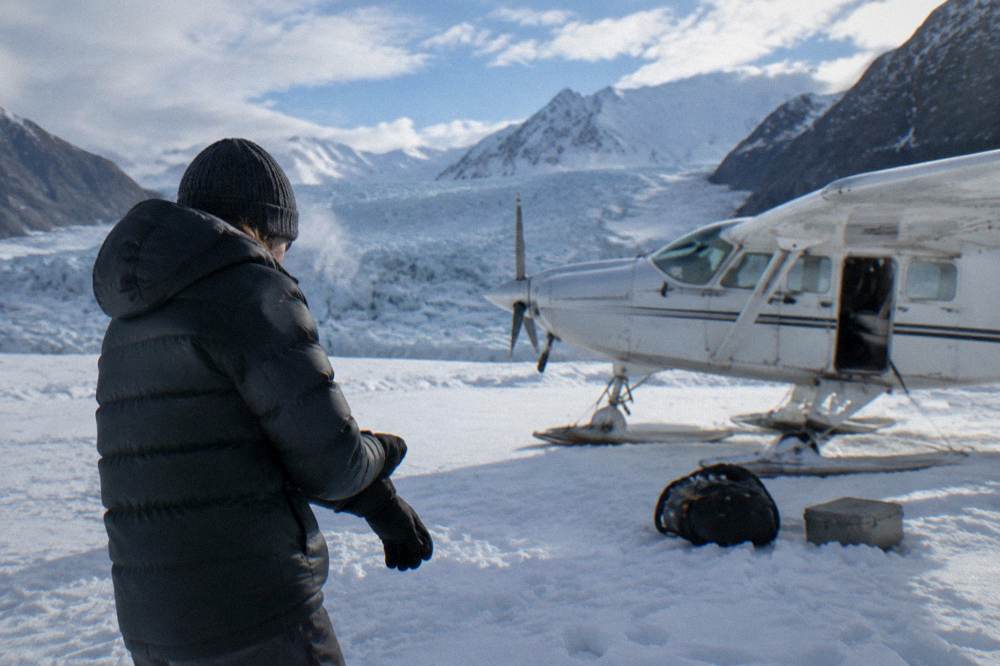
The pairing exercise is straightforward once the landing types are clear. For summer travel, glacier-landing flights give you more certainty of snow than alpine landings, though no landing is promised. The ski plane and helicopter combo, from $277.00 per person and rated 4.7 across 378 reviews, is the most reviewed ski plane flight here and one of the lower-priced glacier landings. For winter travel, the same products work, but the plan should include an extra night in or near the village and an early-in-the-stay departure so a highway delay or a weather hold does not consume the whole booking.
| Season | Landing outlook | Access outlook | The booking that fits |
|---|---|---|---|
| December to February | Glacier landings reliable for snow; alpine sites may be bare | Roads generally clear, longest daylight | Glacier-landing flight or combo from Mount Cook Airport |
| June to August | Deepest snow, both landing types white | Access can be limited by snow, check the highway | Book early in the stay, keep a spare day, favor Mount Cook Airport departures |
Price plays almost no seasonal role in this comparison, and that surprises people. The fares quoted here are from prices per person, identical in principle across the calendar; what moves your total cost is the product length and the aircraft, not the month. The full price picture, including where each product sits from $194.00 up to $552.00 and beyond for heli hikes, is laid out in the scenic flight cost guide. For travelers whose season is fixed by school holidays or a wider New Zealand itinerary, the useful move is choosing the right landing type for that month, not hunting a cheaper window that does not exist.
For visitors who want more than a landing, the three-hour Tasman Glacier heli hike, from $552.00 per person and rated 4.9 across 344 reviews, is the deepest version of the glacier experience, with up to two hours on the ice. It runs on the same weather-permitting basis, and the season logic is identical: glacier ice year round, booking slack for weather, warm layers whatever the calendar says.
For travelers anchored to a summer trip who still want the cheapest possible landing, the 25-minute alpine landing helicopter flight remains bookable and popular at 530 reviews; just hold the expectation that the landing site in January may be a rocky shelf with a view rather than a snowfield, and the flight itself will still carry you over full glacier country.
How Early Should You Book A Flight For Your Season?
Book as early in your stay as your itinerary allows, in every season, because weather decisions can arrive as late as about 10 minutes before departure and a cancellation means a full refund or a free reschedule.
The operator's advice is blunt: booking early in your stay leaves room to reschedule. Weather calls can come from early morning until shortly before departure, with notice the day before when a cancellation looks likely, which means a same-day-or-last-day booking gambles the whole experience on one weather window. Minimum passenger numbers apply on most flights, and flights may be rescheduled or combined if they are not met, which is another reason peak-season dates, when they do run, need booking ahead. The full mechanics of weather calls and refunds are covered in what happens when a flight is cancelled for weather, and the timing question in how early to book.
Cancellation terms are the quiet hero of seasonal planning. Every flight covered here carries free cancellation with a full refund up to 24 hours before start, and an operator weather or operational cancellation brings a full refund or a free reschedule regardless. That combination, refundable booking plus reschedulable weather, is what makes an off-peak gamble rational: the downside of a bad forecast is mostly lost time, not lost money.
Practical sequencing for any season looks like this. Book the flight before you book the accommodation, or at least before you lock the itinerary, so the flight day is early rather than last. Arrive by the check-in time in your booking email. Watch the mountain forecast from MetService's Aoraki / Mount Cook park page in the days before, without treating it as a verdict, since alpine conditions change faster than forecast apps resolve. If the flight moves, you still have days left to use the reschedule.
What Should You Wear On A Flight In Each Season?
For scenic flights, operators advise warm layers, long trousers, a light sweater or jacket, sunglasses and closed-toe shoes. The heavier kit, three to four layers, no jeans, hat and gloves, belongs to heli hikes only. On the snow, conditions run around 10 °C or colder, so summer dress at the terminal is winter dress on the glacier.
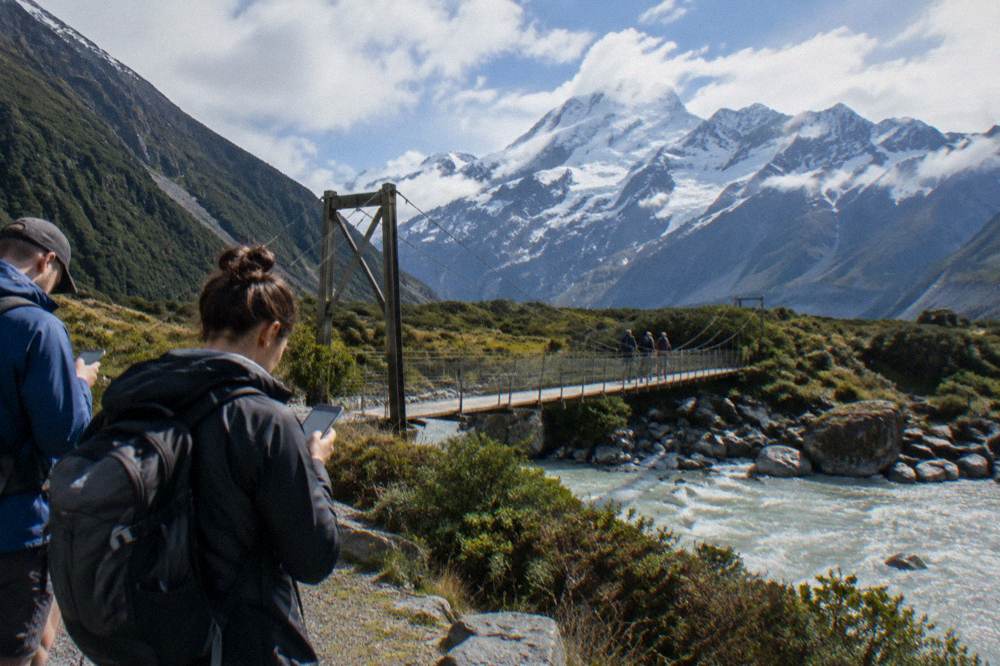
The clothing advice barely bends to the calendar, and that catches summer visitors out. Even in February, a glacier landing is a landing on ice, typically a touch cooler than the airfield you left, with glare off the snow strong enough to make sunglasses the single most forgotten item. The heli hike operators go further and specify the full list: three to four warm layers, warm trousers with no jeans, hat, gloves and a daypack. Cameras and phones are welcome; drones and selfie sticks are not. Children fly at all ages, though an infant on a lap still needs a charged seat.
Weight is the other pre-flight check. The individual weight limit on the Mount Cook Airport flights is generally 116 kg, and passengers may be weighed at check-in; some helicopter products elsewhere on the routes covered here state limits up to 165 kg or 200 kg, each on its own booking page. Seats cannot be chosen, since the pilot assigns them for weight and balance, so a family hoping to sit together should expect the crew's call to be final. The details are in the weight limits guide, and the seasonal angle is minor: winter coats add weight, and winter flights are the ones where people arrive heaviest dressed. Nothing here changes with the month on your booking, which is precisely the point of this guide.
Common Questions About The Best Season To Fly Over Mount Cook
Is There A Best Month To Fly Over Mount Cook?
No verified source names one, and operators fly seven days a week year round, weather permitting. Glacier landings run in every season; the only calendar gap worth noting is that alpine landing sites can be snow-free roughly December to March.
Do Flights Over Mount Cook Run In Winter?
Yes, flights operate in winter, weather permitting. The trade-off is access: snow can limit the road into the park between June and September, so check highway conditions and keep a spare day in your itinerary.
Can I Land On Snow In Summer?
Glacier landings are offered year round and give more certainty of snow all year. Alpine landings, on a peak or ridge, have snow most of the year but not roughly December to March, so choose a glacier-landing product if summer snow matters to you.
Are Flights Cheaper In The Off-Season?
The prices covered here are from prices per person set by product, not by month; what moves the fare is flight length and aircraft. The cheapest landing flight with a large review pool is the 25-minute alpine landing at from $194.00 across 530 reviews.
What If My Seasonal Flight Is Cancelled For Weather?
An operator weather or operational cancellation brings a full refund or a free reschedule, and every flight covered here carries free cancellation with a full refund up to 24 hours before start. Booking early in your stay leaves room to use the reschedule.
Which Mount Cook Airport Do Winter Flights Leave From?
Ski plane flights leave from Mount Cook Airport on State Highway 80, just before the village. The Helicopter Line uses Glentanner Park, a different airfield about 15 minutes before the village; check which one your booking names.