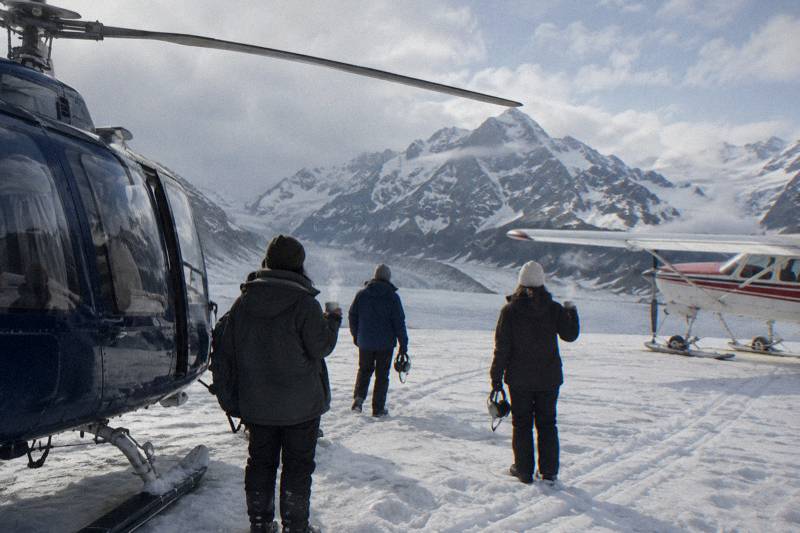
Does The Ski Plane At Mount Cook Always Land On The Glacier?
No operator at Mount Cook promises a glacier landing every time. This guide explains who decides, when snow is not guaranteed, and what happens if the landing cannot go ahead.
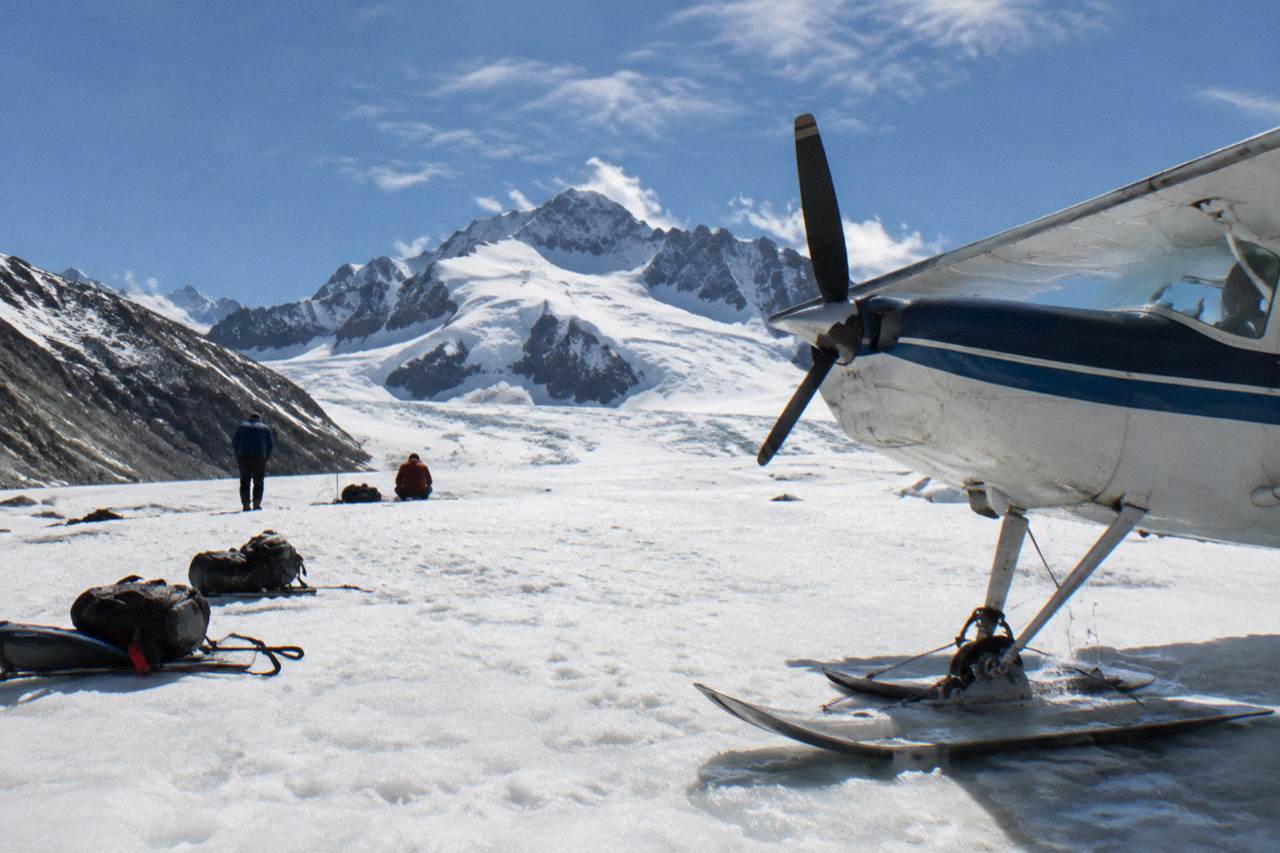
Does The Ski Plane Flight At Mount Cook Always Land On The Glacier?
No, not always, and no honest operator will promise it. Every ski plane landing on the Tasman Glacier is weather permitting: the pilot makes the final decision on the day, sometimes as late as ten minutes before departure. If the operator cancels the flight, a full refund or a free reschedule typically follows, so the money is not the risk, the timing is.
That is the short version, and it is worth being blunt about it because a surprising number of travellers arrive at Mount Cook believing a snow landing is a guaranteed feature, like a seat or a window. It is not. A landing on the glacier requires suitable visibility, workable winds and a safe surface at the landing site, and the Southern Alps generate their own weather in a way that can change those three things within an hour. The mountain does not read the forecast either, which is why experienced visitors book their flight for the start of their stay rather than the end of it.
What the operator does state clearly is that glacier landings happen year round. Mount Cook Ski Planes and Helicopters, the operator based at Aoraki Mount Cook Airport on SH80, runs scenic flights year round, offering Tasman Glacier snow and glacier landings when weather and conditions permit, including ski plane options. That is a statement about the terrain, not a promise about any particular Tuesday. The two ideas sit side by side: the glacier can take a landing in any month, and whether today is the day is decided by the pilot in command.
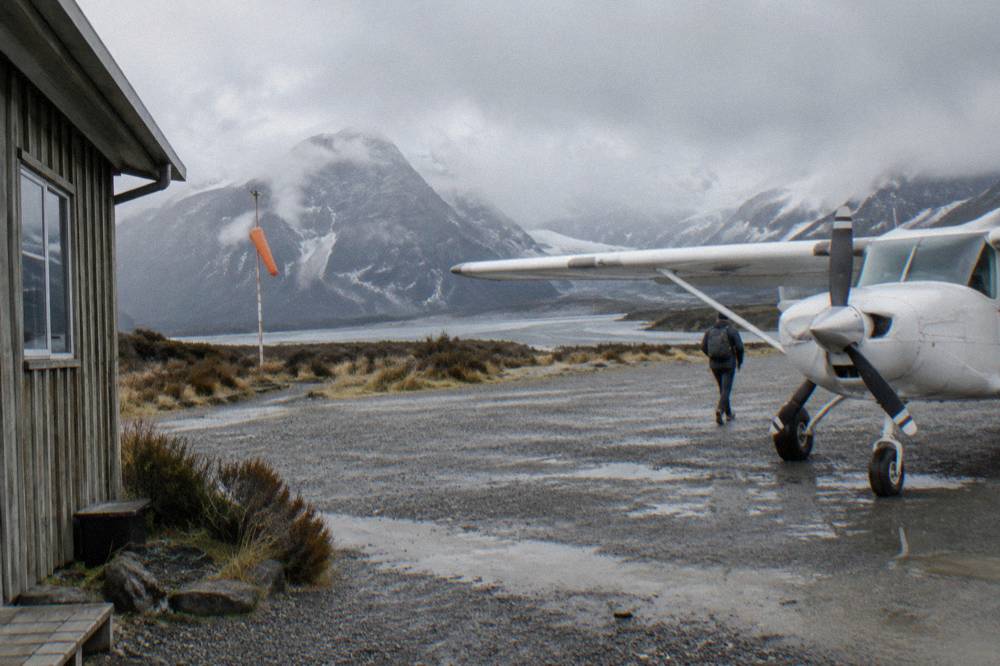
For readers comparing the specific flights, the distinction matters most at the cheaper end of the menu. The three ski plane options most often compared are the 45-Minute Glacier Highlights Ski Plane Tour from Mount Cook at from $397.02 per person, rated 5.0 across 21 reviews, the Mount Cook: Ski Plane and Helicopter Glacier Combo Flight at from $277.00 per person, rated 4.7 across 378 reviews, and the 55 minute Grand Circle Ski Plane at from $453.82 per person, rated 5.0 across 16 reviews, where the 55 minutes is flight time and the total duration is 1 hour 5 minutes. All three include a glacier or snow landing, each describes 10 to 15 minutes on the snow, and none can promise that landing on a given morning. If a landing is the whole point of the purchase, the planning move is not picking a different flight, it is building enough time at Mount Cook to absorb a weather delay. For a closer look at what that snow touchdown actually involves, the guide to the Tasman Glacier ski plane landing walks through the landing itself, which flights include it, and how cancellations get handled.
Who Decides Whether The Ski Plane Lands At Mount Cook?
The pilot in command decides, and nobody else. Weather and operational calls can come from early in the morning until roughly ten minutes before departure, with advance notice the day before whenever a cancellation looks likely. The booking page cannot override it, the front desk cannot override it, and passengers are not consulted, because the decision is a safety judgement about visibility, wind and surface conditions.
This is standard aviation practice rather than a Mount Cook quirk. A ski plane landing on a glacier needs the pilot to see the approach, judge the snow surface, and trust the wind at the landing site, which sits in high alpine terrain where conditions differ sharply from the airport. The operator's own guidance is that decisions may arrive late, and that a cancellation from their side always means a full refund or a free reschedule. Between the operator's own terms and the booking page terms there can be small differences, and the terms that apply are the ones on the page where you actually booked; on the flights covered here, that page allows free cancellation with a full refund up to 24 hours before start.
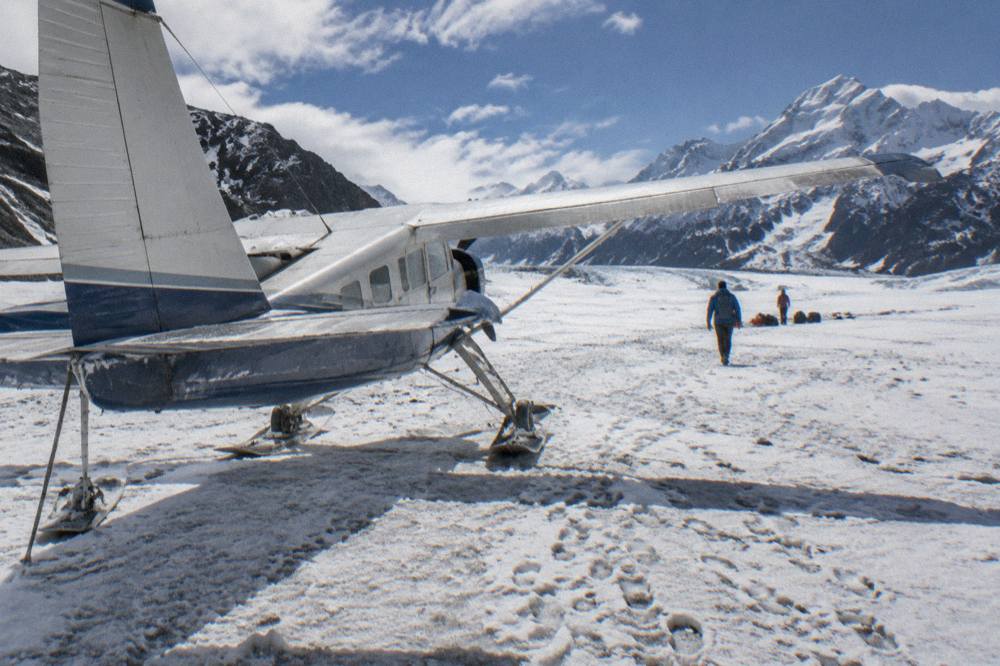
It helps to understand what the pilot is actually weighing. The upper Tasman Glacier is New Zealand's largest and longest glacier, 23 km long and up to 3 km wide, with ice about 600 m deep near the Hochstetter Icefall, and the Department of Conservation, which manages the park, lists Mount Cook Ski Planes as the concessionaire for snow landings there. The terrain is reliable; the air above it is not. Northwest winds, cloud spilling over the Main Divide, or poor visibility on the approach are the usual reasons a landing is pulled, and the same weather that grounds a ski plane will usually ground the helicopters too, so switching aircraft is rarely an escape hatch. The MetService mountain forecast for the park is the best public indicator of how a flight day is shaping up, and pilots watch the same picture.
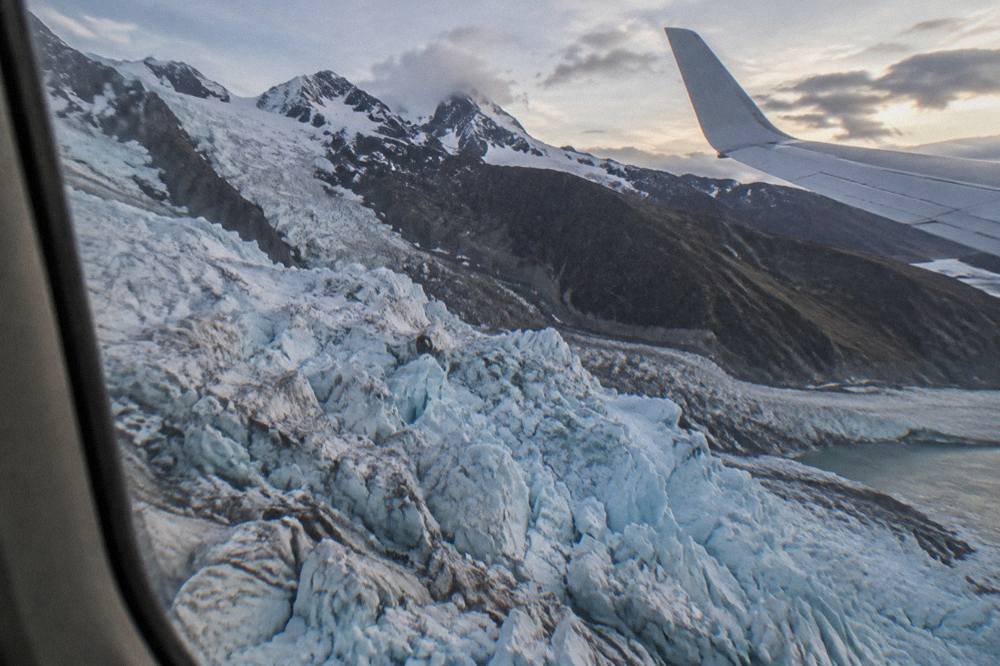
A question that follows logically: can you improve the odds? Partly. Alpine weather around Mount Cook changes fast, so it pays to book a flight for early in your stay rather than the last day. Flights do not operate in poor visibility or high winds, and the mountain makes its own weather. Operator guidance is simple: stay at least two nights if the flight is the centrepiece of the trip, and book your flight early in your stay. The deeper planning detail is covered in the Mount Cook flight weather cancellations guide, and the timing logic in best time of day for a Mount Cook scenic flight.
When Is Snow Not Guaranteed On A Mount Cook Landing?
One Mount Cook flight carries a seasonal caveat: the 25-minute Scenic Helicopter Flight with Alpine Landing touches down on a high alpine site that holds snow most of the year but not roughly December to March, so summer snow is not guaranteed there. Flights that land on the Tasman Glacier itself give more certain snow. Ski plane glacier landings on the Tasman Glacier itself are described by the operator as available year round. The distinction is between an alpine landing on a ridge or peak snowfield and a landing directly on the glacier.
This is the single most useful thing to understand when reading the flight menu, and it is the detail most flight descriptions compress into a single word, "landing". An alpine landing puts the aircraft down on a peak or ridge snowfield, and the snow at those sites can melt back in the warmest months. A glacier landing puts it down on the glacier ice and snow itself, which is why the operator can describe glacier landings as a year round proposition: the ice does not disappear in summer. The exact landing site is confirmed on the day, which is not a dodge, it is how alpine aviation works.
For the ski plane flights specifically, the landing in question is a glacier landing on the Tasman, with 10 to 15 minutes on the snow inside the flight duration. Passengers step out onto the glacier for photos and a short walk, typically for 10 to 15 minutes, weather permitting. The time is short by design, because the aircraft is parked on a moving glacier at altitude, but it is genuinely on the ice, which is the thing people are buying. What that time on the snow actually feels like, and how it is spent, is covered in detail in how long you spend on the snow on a Mount Cook glacier landing.
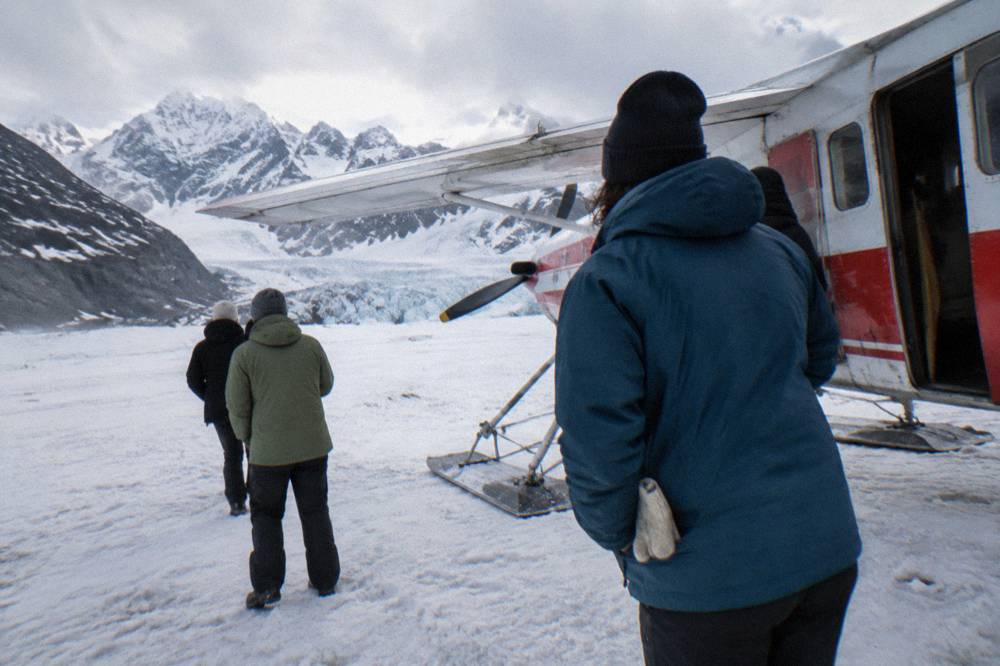
Summer visitors should calibrate expectations in one more way: a summer glacier landing is on snow and ice, but the surrounding park is not a winter scene. Mount Cook Village sits in the valley, and snow landings happen high on the glacier, weather permitting. Some people expect a white world and instead get grey ice, blue sky, and a band of bright snow at the landing zone, which is its own spectacle and, for photography, often the better light. The glacier's surface is a moving, changing feature; the ice near the Hochstetter Icefall is hundreds of metres thick, and the landing zone itself is chosen day by day for surface conditions.
What Happens If The Landing Cannot Go Ahead?
If weather or operations stop the flight or the landing, the operator cancels with a full refund or a free reschedule. If you cancel more than 24 hours before start, the flights covered here allow a full refund. Inside 24 hours, or a no show, the outcome is far less generous, so the protection is real but time limited in both directions.
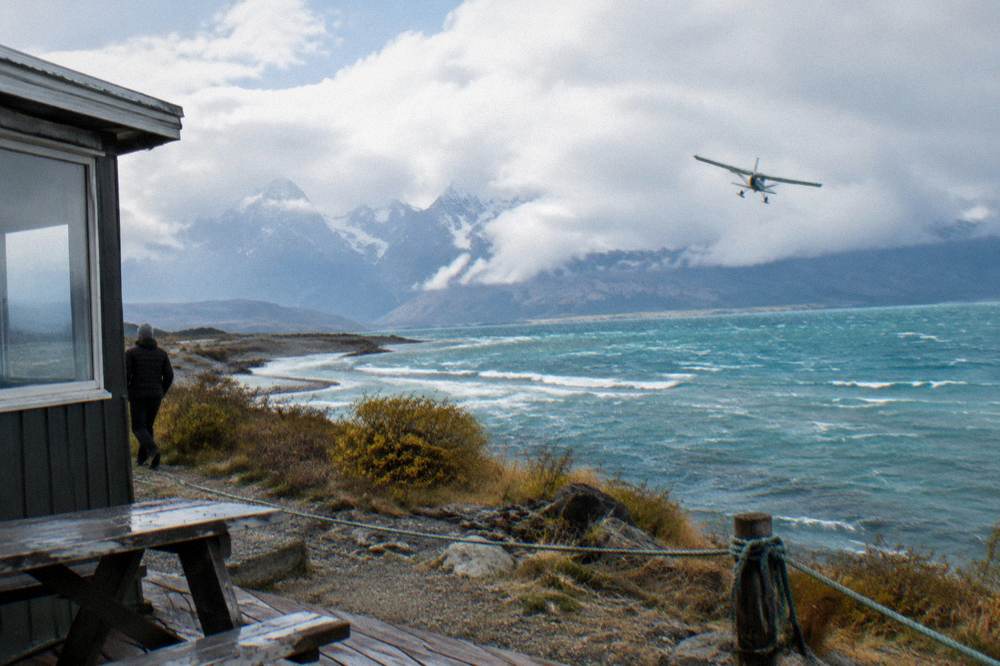
The refund side of a weather cancellation is the easy half. When weather grounds a flight, the operator cancels and offers a full refund or a free reschedule; free cancellation also applies up to 24 hours before departure. The harder half is the schedule cost: if you are flying out the same afternoon, a rescheduled flight is a flight you cannot take, which is why the refund exists and why two nights in the village is the standing advice. The risk with a snow landing is never the money, it is the calendar.
Weather decisions can also arrive late, sometimes with notice the day before, sometimes on the morning itself, and occasionally very close to departure when conditions shift at the landing site. That is uncomfortable but honest: the pilot would rather make a late call than a wrong one. Passengers can help themselves by keeping the day loose, answering the operator's contact attempts, and treating the check-in time in the booking email as firm, because a missed check-in can turn a weather reschedule into a no show.
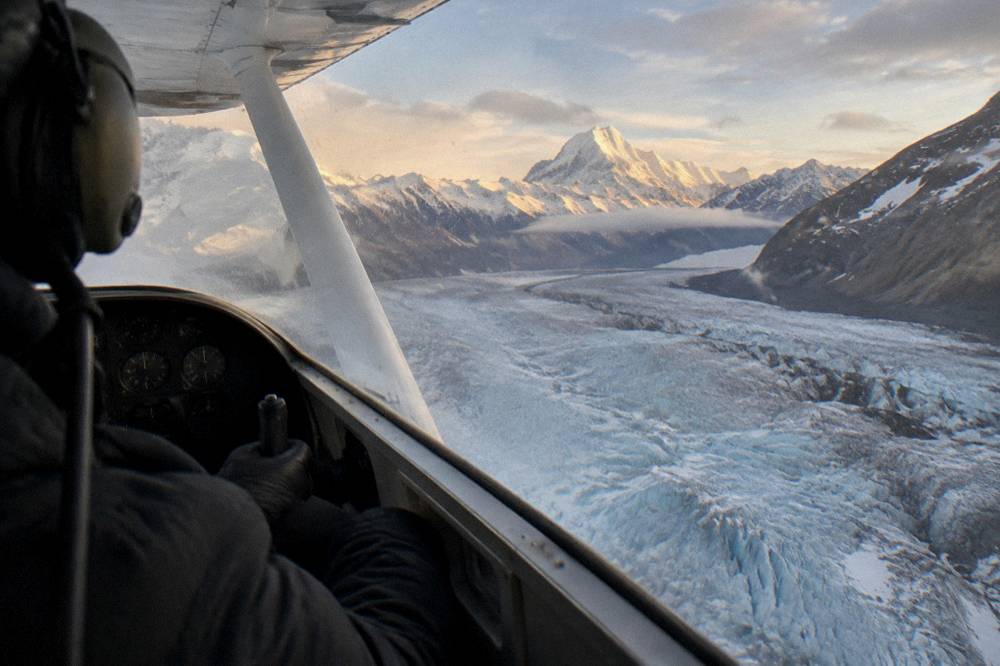
One practical point on clothing, because it interacts with the timing question: landing sites are typically 1 to 3 degrees cooler than the airport, and snow glare is strong even under cloud. Warm layers, closed-toe shoes suitable for snow, sunglasses and a camera or phone are the standard kit, and no bags, drones or selfie sticks are allowed aboard. If the flight is rescheduled to the next morning, that kit needs to still be handy rather than packed at the bottom of a suitcase, which is a small thing that trips up more people than it should.
Which Mount Cook Flights Include A Glacier Landing?
Among the ski plane and combo options at Mount Cook Airport, the Glacier Highlights, Grand Circle and the ski plane plus helicopter combo all list a glacier or snow landing with 10 to 15 minutes on the snow. Fixed wing overflights from Tekapo and Queenstown, such as the Air Safaris Grand Traverse style flights, make no landing at all. Reading the aircraft type is the fastest way to know what you are buying.
The table below pulls the landing facts for the main Mount Cook based options. Note the departure points too: Mount Cook Airport on SH80 hosts the ski plane flights and the INFLITE helicopters, Glentanner Park hosts The Helicopter Line, and the two airfields are often confused, so check which one your booking names.
| Flight | Aircraft | Landing | Minutes On Snow | From (USD, Per Person) |
|---|---|---|---|---|
| Mount Cook: Ski Plane and Helicopter Glacier Combo Flight | Ski plane + helicopter | Snow landing | 10 to 15 | $277.00 |
| 45-Minute Glacier Highlights Ski Plane Tour from Mount Cook | Ski plane | Snow landing | 10 to 15 | $397.02 |
| 55 minute Grand Circle Ski Plane | Ski plane | Snow landing | 10 to 15 | $453.82 |
| Mt Cook: 55-Minute Scenic Flight in Helicopter or Ski Plane | Helicopter or ski plane, chosen by operator | Not stated | Not stated | $388.00 |
| Lake Tekapo: 50-Minute Mount Cook and Beyond Scenic Flight | Fixed wing | No landing | Not applicable | $313.00 |
The combo flight deserves a sentence of explanation because its landing mechanic is unusual: weather permitting, one aircraft, ski plane or helicopter, lands on the Tasman Glacier and the other flies the passengers back, so the glacier stop is built into the flight itself. The Glacier Highlights tour is the pure ski plane version, 45 minutes with the glacier landing, while the Grand Circle extends the loop to a 55-minute flight within 1 hour 5 minutes in total, crossing the Main Divide toward the Fox and Franz Josef glaciers before landing on the Tasman. Longer flights do not buy a more certain landing, only more scenery around it.
For the full field, including the helicopter alternatives from Glentanner and the West Coast, the glacier landing at Mount Cook guide compares every option with a landing, and the ski plane versus helicopter comparison works through the aircraft question for visitors torn between the two. As a rule of thumb, if the landing is the point, choose a flight that names a glacier or snow landing in its description and departs from Mount Cook Airport or Glentanner; if the scenery is the point and the budget is tighter, an overflight is the cheaper frame for the same mountains.
Common Mistakes To Avoid When Booking A Snow Landing
The recurring mistakes are booking a single night, choosing a late afternoon slot, assuming every "landing" is a snow landing, and confusing Mount Cook Airport with Glentanner. Each one turns a routine weather delay into a missed flight, or a summer booking into a landing on bare alpine rock. All four are avoidable with about ten minutes of planning.
Booking the last morning of a one night stay is the classic error. The flight has a full refund attached, so the money survives, but there is no tomorrow left to reschedule into, and the roughly 40 percent of day trippers who never get airborne are overwhelmingly the people with no slack. The second error is the afternoon slot: alpine weather changes fast, and a landing can be called off up to 10 minutes before departure. The third is vocabulary: an alpine landing is not a glacier landing, and in summer an alpine site may have no snow, so read the word before the aircraft. The fourth is geography: Glentanner Airport is a different airfield, about 15 minutes before the village, and arriving at the wrong one is a self inflicted cancellation.
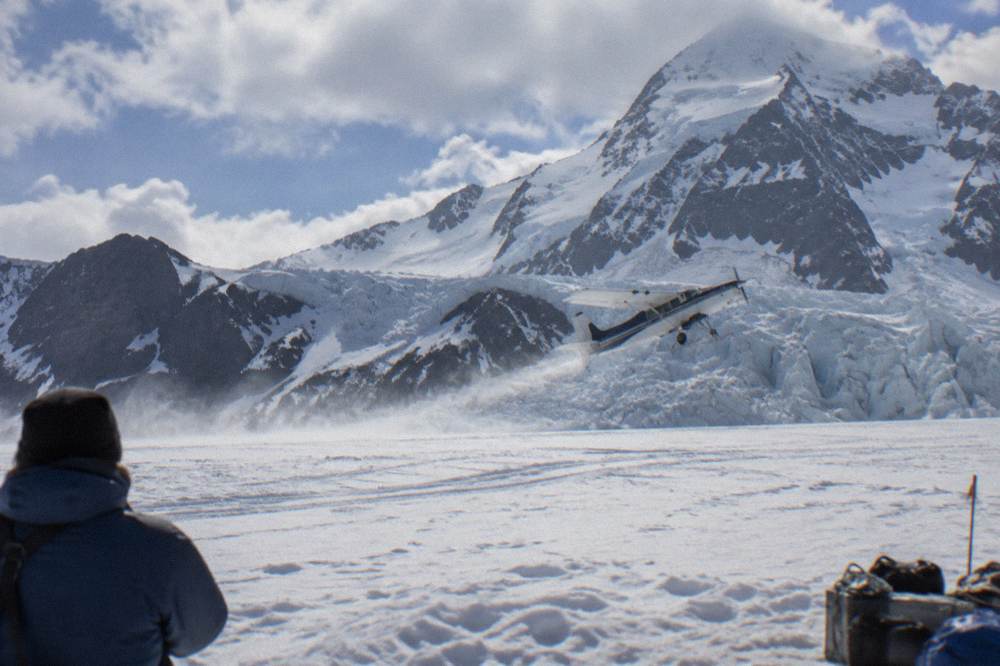
A quieter fifth mistake is treating the weather decision as a negotiation. Calling the desk to ask whether the flight will definitely land gets a polite version of the same answer every time: it is weather permitting and the pilot decides. The energy is better spent on the levers that actually work, an earlier slot, a longer stay, and a morning check of the MetService alpine forecast for the park. Visitors planning walks around the flight will find the official Aoraki / Mount Cook National Park pages cover the tracks that fill a weathered out morning, including the Tasman Glacier viewpoint, and the operator's own Mount Cook Ski Planes site states the year round glacier landing position in its own words. This site, Mount Cook Ski Plane, exists to keep those details straight in one place, because the answer to whether the ski plane always lands is a matter of reading the right fine print.
Common Questions About Mount Cook Snow Landings
Does The Mount Cook Ski Plane Always Land On The Glacier?
No. Every landing is weather permitting and the pilot makes the final call on the day. The operator describes glacier landings on the Tasman as available year round, but no individual flight is promised a landing, and a weather or operational cancellation brings a full refund or a free reschedule.
Can I Get A Refund If The Landing Is Cancelled?
Yes. If the operator cancels the flight or the landing for weather or operational reasons, you receive a full refund or a free reschedule. If you cancel yourself more than 24 hours before start, the flights covered here also allow a full refund; inside that window, treat the fare as committed.
Is There Snow On The Landing Site In Summer?
On the glacier landing sites used by the ski plane flights, snow and ice are present year round, so a summer landing is still on snow. One alpine landing site used by a 25 minute helicopter flight typically loses its snow roughly December to March, which is why the aircraft and landing type matter when you book.
How Long Do You Spend On The Snow?
The flights with a glacier or snow landing generally include 10 to 15 minutes on the snow, counted inside the total flight duration. The aircraft shuts down, passengers step out for photos and a short walk, and the crew manages the time on site.
Do Helicopters Land When Ski Planes Cannot?
Not usually. The same visibility, wind and cloud conditions that ground a ski plane generally ground helicopters too, since they fly the same mountain weather. The genuine alternative is booking an earlier slot or a longer stay so a rescheduled flight still fits your trip.
Does A Longer Flight Make The Landing More Likely?
No. A longer flight buys more scenery, such as the Grand Circle's crossing toward the Fox and Franz Josef glaciers, but the landing decision depends on conditions at the landing site and the pilot's judgement, not on how much you paid or how long you fly.
The 45-Minute Glacier Highlights Ski Plane Tour from Mount Cook is the flight most readers asking this question end up comparing first: a ski plane, a glacier landing, 10 to 15 minutes on the snow, from $397.02 per person, rated 5.0 across 21 reviews, and free cancellation up to 24 hours before start. The combo at from $277.00 per person is the value route to the same glacier, and the Grand Circle at from $453.82 per person is the long loop for visitors who want the West Coast glaciers in the same hour. Whichever you choose, book the first morning, keep a spare afternoon, and let the pilot make the call the pilot has to make.