Ski Plane New Zealand: Where You Can Fly One And What It Costs
New Zealand has exactly one place where you can fly a ski plane and land on a glacier: Aoraki / Mount Cook. Here is what flies, what it costs and how the options differ.
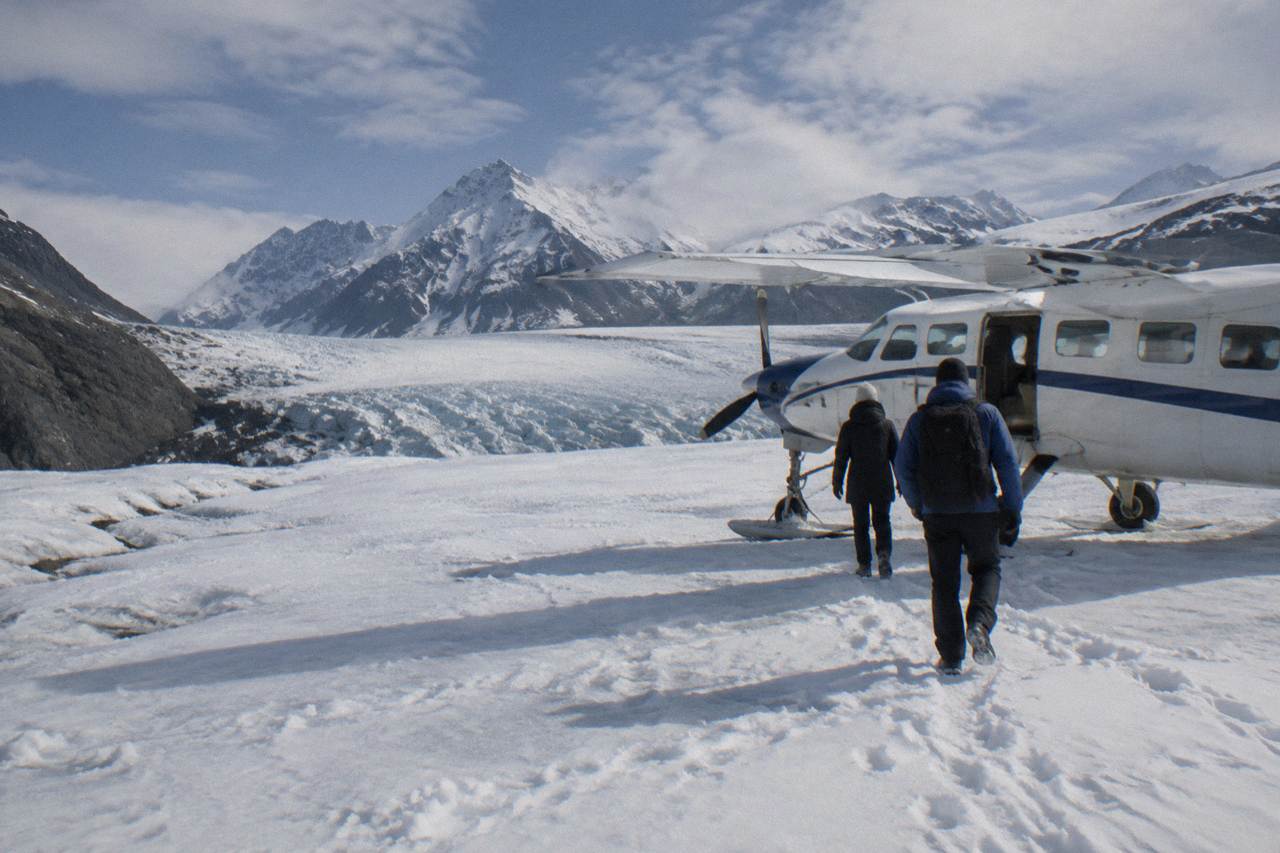
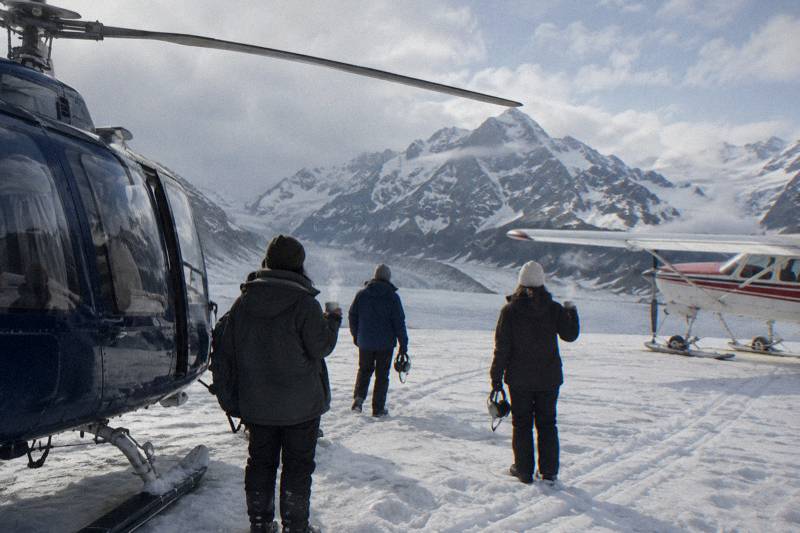
Ski planes are a rarity in commercial aviation, and in New Zealand they exist in one corner of the country only. A ski plane is a fixed-wing aircraft fitted with skis instead of wheels, which lets it touch down directly on glacier snow. Operators describe Aoraki / Mount Cook as the only place in the Southern Hemisphere with year-round glacier landings by ski plane, and the flights covered here all start from that one airfield. This guide lays out where ski plane flying happens, what each product costs, how long you get on the snow, and how the ski plane compares with the helicopter alternatives sitting on the same apron.
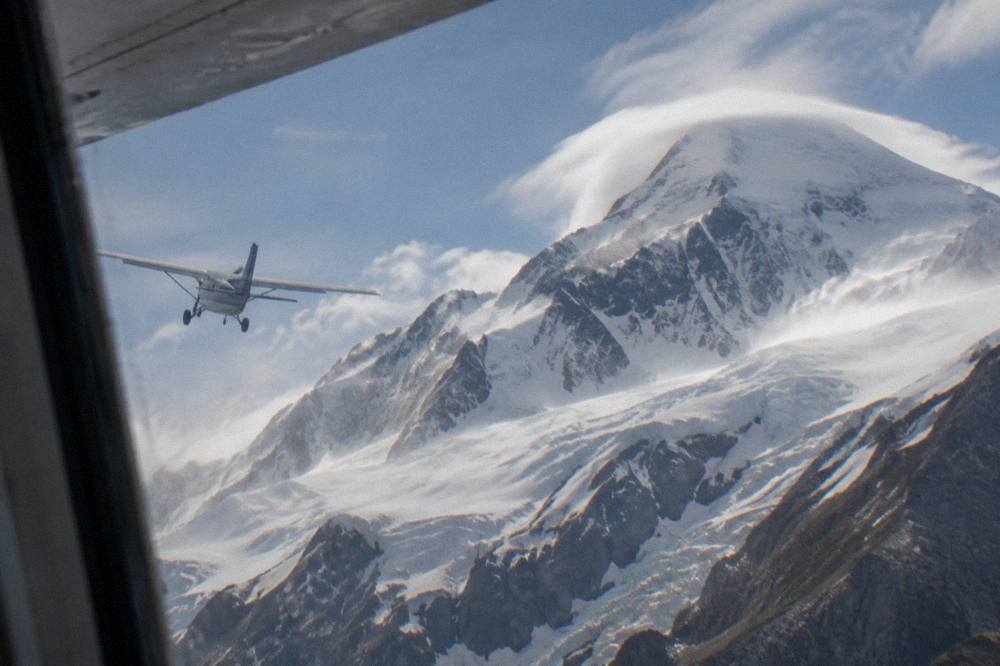
The reason it works here is the terrain. Aoraki / Mount Cook National Park holds New Zealand's tallest peak at 3,724 m, and glaciers cover about 40% of the park, including the Tasman Glacier, which is the country's largest and longest at 23 km. DOC lists Mount Cook Ski Planes as the concessionaire for snow landings on the Tasman Glacier, which is why the ski plane story is so tightly bound to this one mountain.
Where Can You Fly A Ski Plane In New Zealand?
A ski plane flight in New Zealand means Mount Cook, and specifically Mount Cook Airport on SH80, just before the village. All four ski plane products covered here depart from that single airfield, each operated by Mount Cook Ski Planes and Helicopters, part of the INFLITE group. No other ski plane base appears among the flights covered here, and no other one should be assumed.
That concentration is not an accident of marketing, it is geography plus regulation. Glacier snow landings in the park run through a DOC concession, and the operator holding it for Tasman Glacier snow landings has flown in the park since 1955. Its fleet is Pilatus Porter ski planes with 9 seats, plus helicopters seating 5 to 7 depending on weight. Both aircraft types fly from the same base, so a visitor choosing between them is choosing from one departure point.
Getting there takes some planning. The airport sits at the end of SH80, off SH8, about 3.5 hours by road from Queenstown, 4.5 hours from Christchurch, 1 hour from Twizel and 1.5 hours from Tekapo. Road access can be limited June to September by snow, so check conditions with NZTA's SH80 highway conditions page before you drive. Parking at the airport is free. Transfers are not included by the operator; limited pre-booked pick-ups from village accommodation may be available on request, so ask the operator directly.
A common trap is confusing airfields. Glentanner Airport, where The Helicopter Line bases its Mount Cook flights, is a different airfield about 15 minutes before the village. If your booking names Glentanner Park on State Highway 80, that is a helicopter base, not the ski plane airport. The West Coast helicopter bases at Franz Josef and Fox Glacier, and the fixed-wing bases at Tekapo and Queenstown, are separate operations again, and none of them fly ski planes.
How Much Does A Ski Plane Flight At Mount Cook Cost?
From prices for ski plane flights at Mount Cook run from $277.00 to $453.82 per person across the four products covered here. The entry point is the 45-minute ski plane and helicopter combo at $277.00, rated 4.7 across 378 reviews. The dearest ski plane product is the Grand Circle Ski Plane at $453.82, a 55-minute flight within 1 hour 5 minutes in total, rated 5.0 across 16 reviews. Every price is a from price, per person, in USD.
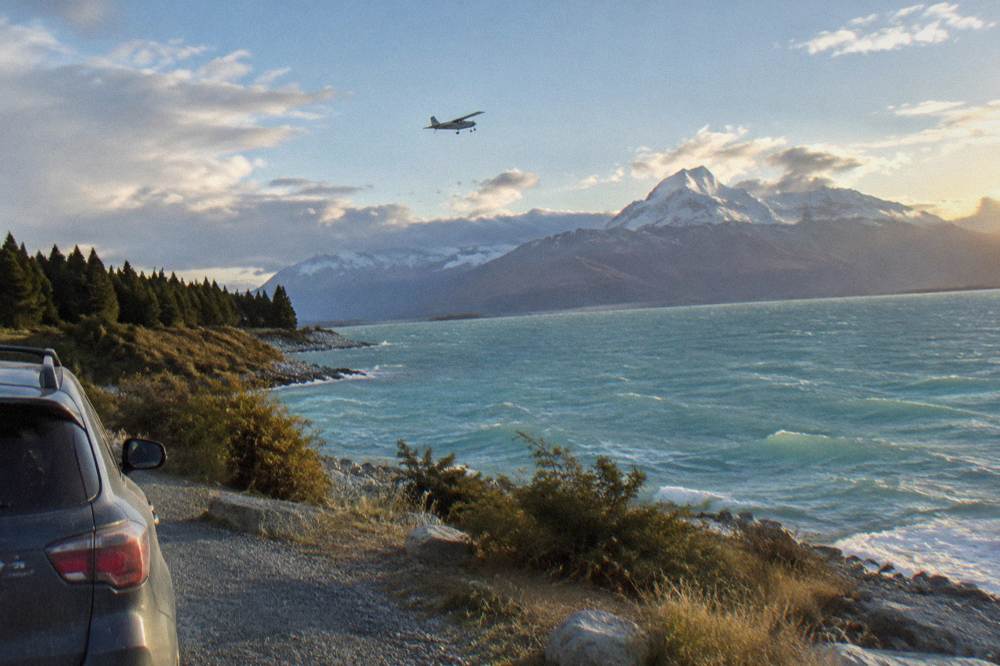
The spread is mostly a function of route length and aircraft. A shorter or shared-combo flight costs less; the long crossing of the Main Divide costs more. Here is the full picture from the flights covered here.
A note on review counts, because they matter when comparing value. The combo flight's 378 reviews make it the most reviewed ski plane product here by a wide margin, and its 4.7 rating sits on a large pool. The 45-minute Glacier Highlights ski plane holds 5.0 across 21 reviews and the Grand Circle 5.0 across 16 reviews, both excellent but from smaller pools. The $388.00 flight has 8 reviews, too few for a star claim to mean much either way.
For context against other ways to get airborne in the park, the cheapest landing flight among products here with 15 or more reviews is actually a helicopter: the 25-minute Scenic Helicopter Flight with Alpine Landing at $194.00 from 530 reviews. If price per flight minute is the yardstick, helicopters and the fixed-wing overflights change the arithmetic, and the Mount Cook scenic flight cost guide breaks those comparisons down in detail. Within the pure ski plane category, though, the figures above are the whole story.
Which Ski Plane Flight Should You Choose At Mount Cook?
Pick the $277.00 combo flight if you want both aircraft types and the most reviewed ski plane and combo flight; pick the 45-minute Glacier Highlights ski plane at $397.02 for a pure ski plane glacier landing; pick the Grand Circle at $453.82 if the Main Divide crossing to the West Coast glaciers is the draw. All three land on the Tasman Glacier, weather permitting, with roughly 10 to 15 minutes on the snow.
The combo deserves a closer look because it is genuinely different from the other two. In the Ultimate Alpine Experience format, one aircraft lands on the Tasman Glacier and the other flies the passengers back, so you fly out in a ski plane and return by helicopter, or the reverse. For a first-time visitor it is the cheapest ski plane seat available and the most reviewed at 378, which makes it a low-uncertainty choice.
The 45-minute Glacier Highlights ski plane tour is the purist's option: a dedicated ski plane, a glacier landing, 10 to 15 minutes on the snow, rated 5.0 across 21 reviews. The Grand Circle is the longest ski plane route, 55 minutes of flying with a total experience of 1 hour 5 minutes, crossing the Main Divide to the Fox and Franz Josef glaciers before landing on the Tasman. That crossing is the single biggest scenic upgrade on offer in the ski plane category.
There is also the hybrid $388.00 flight, where the operator chooses helicopter or ski plane on the day. It suits a traveller who cares more about the route and the price than about which airframe flies it; its landing status is not stated, so do not book it expecting a glacier touchdown. If you are weighing the fixed-wing overflights against any of these, the guide to which glacier flight to take at Mount Cook walks that decision step by step.
What Is The Difference Between A Ski Plane And A Helicopter At Mount Cook?
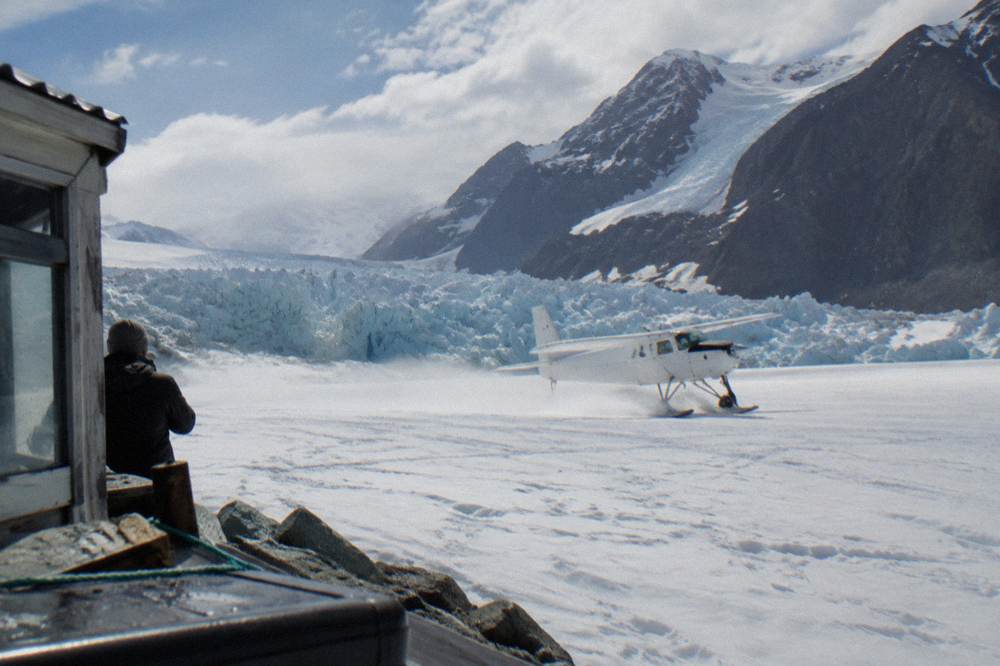
The ski plane is a 9-seat Pilatus Porter fixed-wing aircraft on skis; the helicopters seat 5 to 7 depending on weight. Both types land on snow here. Ski plane products in this guide run $277.00 to $453.82; helicopter flights from the same airfield start at $194.00, though the cheapest helicopter landing is an alpine landing rather than a glacier landing.
The distinction that matters most is the landing type, and the operator draws it clearly. An alpine landing is on a peak or ridge snowfield; a glacier landing is directly on the glacier and gives more certainty of snow all year. The exact site is confirmed on the day by the pilot. Among ski plane products, landings are glacier landings on the Tasman. Among the cheaper helicopter flights from the same base, the 25-minute flight at $194.00 makes an alpine landing, and its landing site has snow most of the year but not roughly December to March, so snow is not guaranteed in summer.
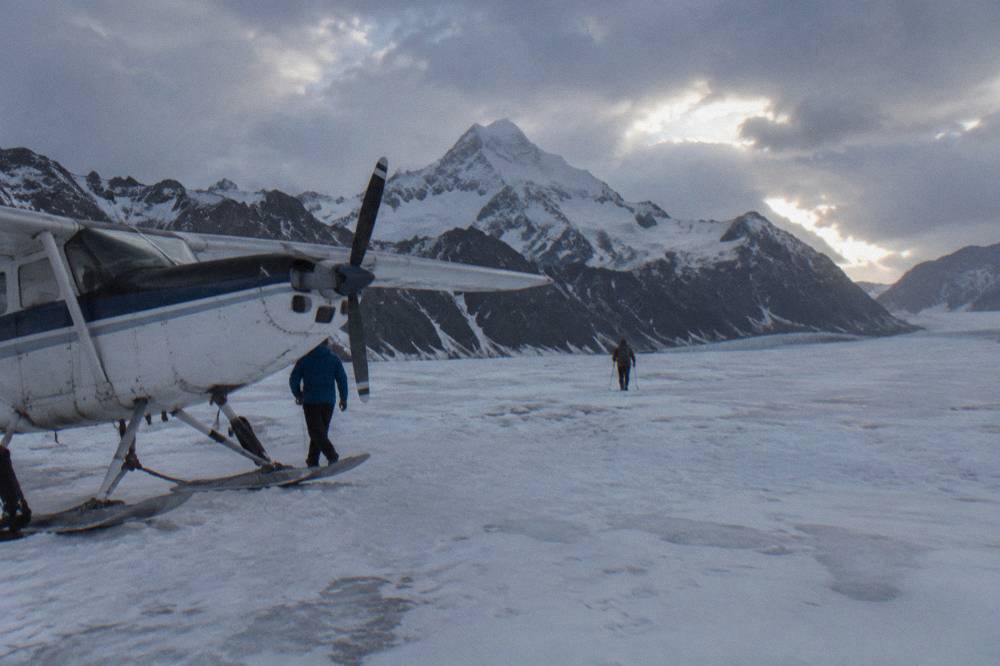
Flight character differs too. A fixed-wing ski plane spends more of its time in smooth cruise, which some passengers prefer for photography and for a calmer stomach; the ski plane versus helicopter comparison guide covers the photography angle in depth. Helicopters fly lower and slower in places and can hover; ski planes cannot. Both depart from the same airport, and both fly seven days a week, weather permitting.
For undecided readers, the Grand Circle route happens to be available in either airframe: the ski plane version at $453.82 and the helicopter version at the same from price, rated 4.7 across 42 reviews for the helicopter. That makes it the one clean head-to-head test of aircraft preference at identical route and price. The Mount Cook Ski Plane site's coverage includes a deeper look at that pairing if you want to chase it further.
How Long Do You Spend On The Snow On A Ski Plane Landing?
The ski plane flights that state snow time give 10 to 15 minutes on the Tasman Glacier, counted inside the total flight duration, not added to it. So a 45-minute Glacier Highlights flight includes the landing; the flying minutes and the snow minutes are the same block of time, not two separate ones.
This trips people up when comparing prices across products. A longer total duration does not buy a longer snow stop; it buys a longer flight. The Grand Circle's extra 10 minutes of flying relative to Glacier Highlights is spent crossing the Main Divide and viewing the West Coast glaciers, not standing on the snow for longer.
| Ski plane flight | Total duration | Stated time on the snow |
|---|---|---|
| Ski Plane and Helicopter Glacier Combo Flight | 45 minutes | 10 to 15 minutes |
| 45-Minute Glacier Highlights Ski Plane Tour | 45 minutes | 10 to 15 minutes |
| 55 minute Grand Circle Ski Plane | 1 hour 5 minutes | 10 to 15 minutes |
Ten to 15 minutes is enough to step out, take photographs and feel the scale of the glacier, but it is not a hike. Travellers who want hours on the ice rather than minutes should look at the heli-hike products instead, which run around 3 hours total with up to 2 hours on the glacier; the Tasman Glacier heli-hike guide explains those in full. For what the snow stop actually feels like minute by minute, the blog piece on how long you spend on the snow covers it in detail.
What Is It Like To Land On The Tasman Glacier By Ski Plane?
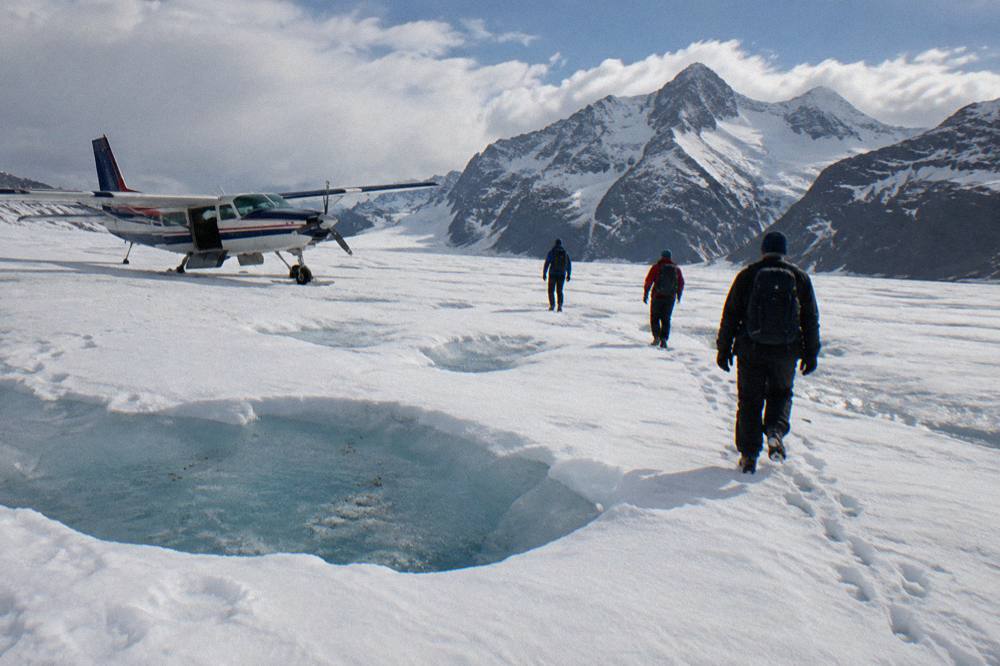
Landing on the glacier snow is always weather permitting, and where the skis touch down is decided by conditions on the day: no landing or landing spot is ever guaranteed. Passengers step out onto snow at altitude, where the site is typically 1 to 3 degrees cooler than the airport, under strong glare even on a bright day.
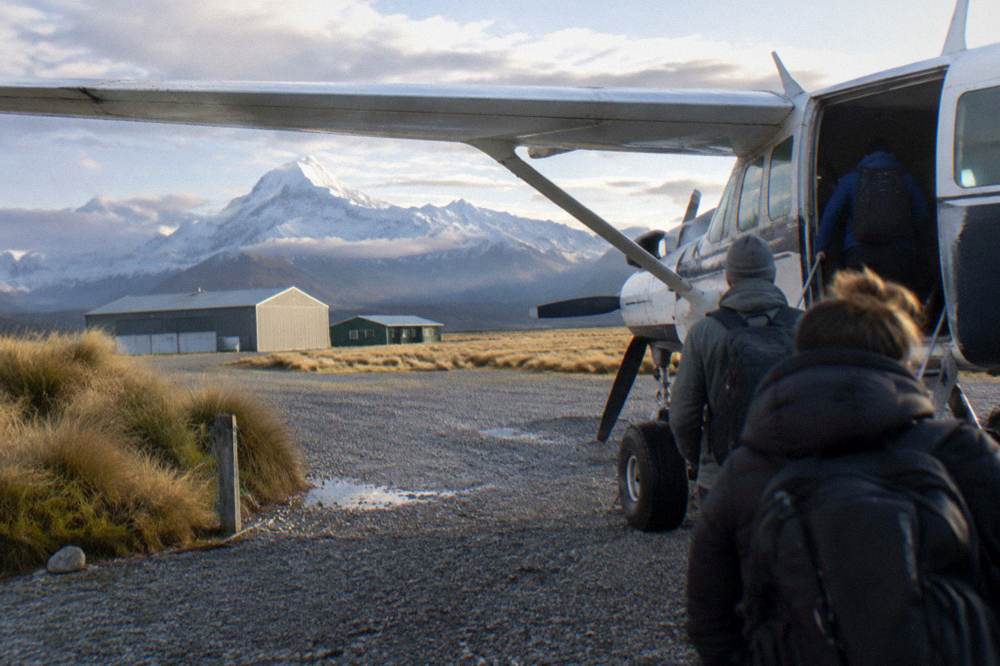
The Tasman Glacier is New Zealand's largest and longest, up to 3 km wide, with ice about 600 m deep near the Hochstetter Icefall. Standing on it, even briefly, puts the park's scale in perspective in a way the Hooker Valley Track viewpoint, spectacular as it is, cannot. DOC's Aoraki / Mount Cook National Park page is worth reading before the flight for the glacier and peak facts alone.
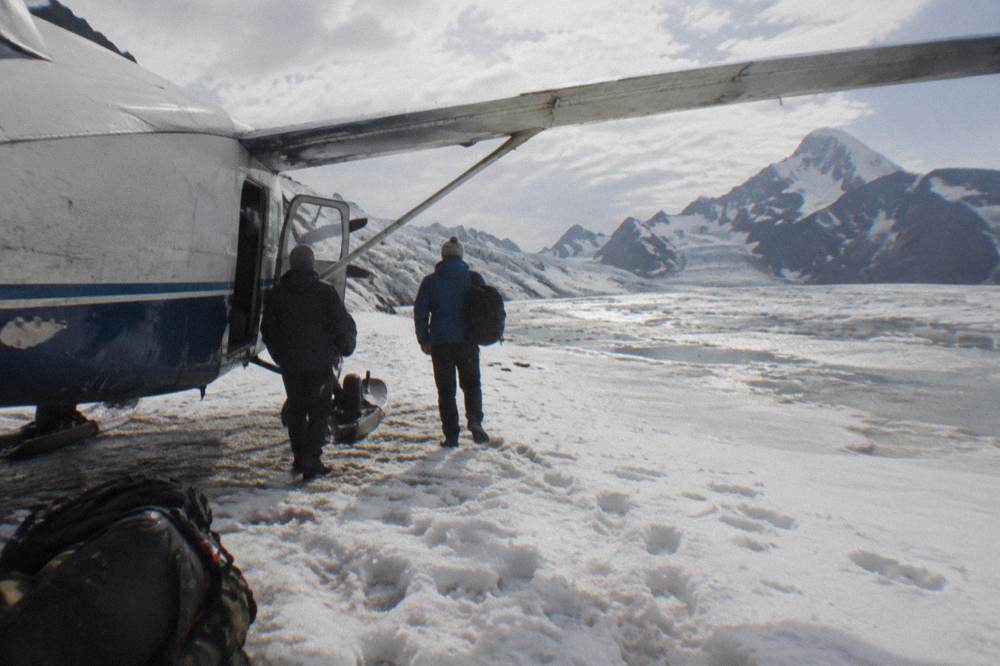
Practical rules on the snow are few but firm. No drones and no selfie sticks. Listen to the crew about where to walk. Sunglasses are close to mandatory, the glare off the ice is strong, and sturdy closed-toe shoes plus warm layers make the stop comfortable. The MetService alpine forecast for the park gives a sense of conditions on the day, though the fly or not-fly call is always the operator's.
When Should You Book A Ski Plane Flight At Mount Cook?
Book early in your stay, not on your last day, because alpine weather decides the schedule and the operator advises leaving room to reschedule. Weather calls can come from early morning until about 10 minutes before departure, and if the operator cancels for weather or operational reasons, you get a full refund or a free reschedule.
That is the single most useful piece of planning advice for any Mount Cook flight. The mountain makes its own weather, and a booking made for the final afternoon of a trip has no slack if the clouds roll in. A booking made on day one or two of a three-day stay can usually be slid to another day.
| Cancellation scenario | What happens |
|---|---|
| You cancel more than 24 hours before start | Full refund per the booking page terms |
| Operator cancels for weather or operational reasons | Full refund or free reschedule |
| Flight may be cancelled the next day | Notice typically given the day before |
| Minimum passenger numbers not met | Flight may be rescheduled or combined |
Availability also shapes timing. The trade-offs between seasons, including snow certainty on the landing sites, are covered in the best time of year guide; the short version is that glacier landings are offered year round, while alpine landing sites can be bare of snow in the warmer months. For booking lead times specifically, there is a dedicated piece on how early to book a Mount Cook scenic flight.
What Should You Know Before You Fly A Ski Plane At Mount Cook?
Know five things before you book: the individual weight limit is generally 116 kg and passengers may be weighed at check-in; seats are assigned by the pilot for weight and balance; children of all ages are welcome but an infant on a lap still needs a charged seat; arrive by the check-in time in your booking email; and wear warm layers, long pants, sunglasses and sturdy closed-toe shoes.
None of these are onerous, but each one catches travellers out.
| Item | Detail |
|---|---|
| Individual weight limit | Generally 116 kg; passengers may be weighed at check-in |
| Seats | Assigned by the pilot; cannot be chosen |
| Children | Welcome at all ages; infants on a lap need a charged seat |
| Check-in | Arrive by the check-in time in your booking email |
| Clothing | Warm layers, long pants, light sweater or jacket, sunglasses, closed-toe shoes |
| Prohibited | Drones, selfie sticks |
Families weighing the whole idea should read the flying with kids guide for age and pricing mechanics.
One last practical note: the hybrid flight just shown is the only product here where the aircraft type is the operator's call on the day, and it carries a stated per-passenger weight limit of 116 kg. It suits flexible travellers; rigid planners should pick a named ski plane or helicopter product instead.
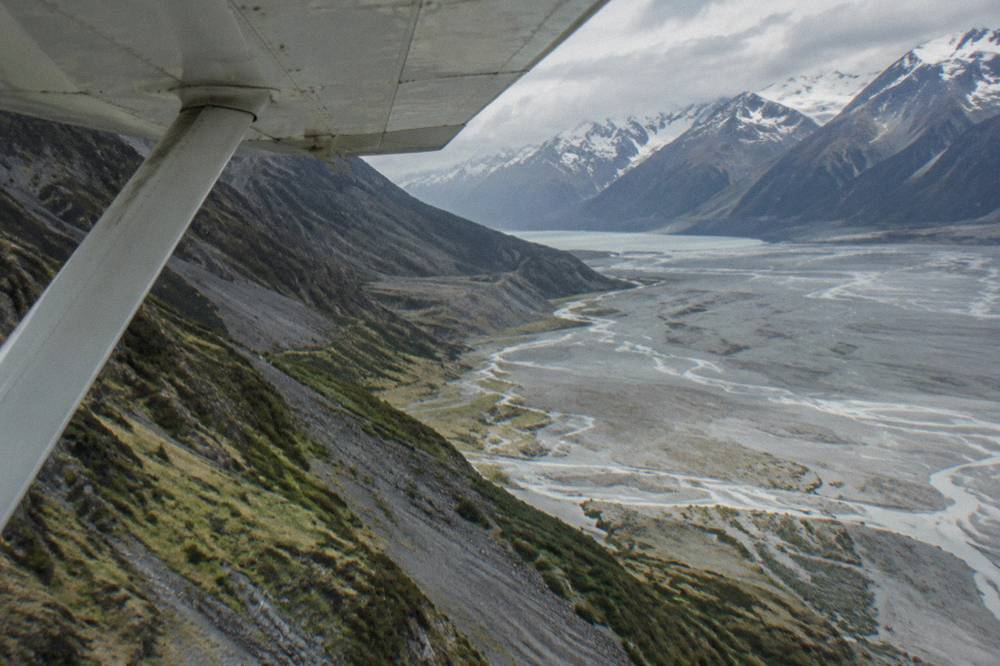
How Does A Ski Plane Flight Fit Into A Mount Cook Trip?
Treat the flight as the anchor of a full day rather than an isolated 45 minutes. The village has a visitor centre, a petrol station and limited cafe and restaurant options, the park has no entry fee though parking at White Horse Hill is paid, and walks like the Hooker Valley Track and the Tasman Glacier View Track pair naturally with a morning or afternoon flight.
The Tasman Glacier View Track is short and steep, 1.5 km return with over 300 steps, about 10 minutes to the first Blue Lakes and 5 more to the viewpoint, and it gives a ground-level look at the glacier you may have just stood on. The Hooker Valley Track is the fuller day walk, 10 km return on gravel with three swing bridges; a new second bridge opened in July 2026, 189 m long, which DOC calls the longest suspension bridge in New Zealand, and a maximum of 20 people at a time may cross the first bridge this summer with pause gates at each end. Full track details are on the DOC Hooker Valley Track page.
A good pairing is the Grand Circle flight on day one and the Hooker Valley Track on day two, which together cover the park from above and below. If you are based further afield, the where to stay guide compares the village against Twizel, Tekapo and Glentanner, and the Mount Cook village guide covers the practicalities of the settlement itself.
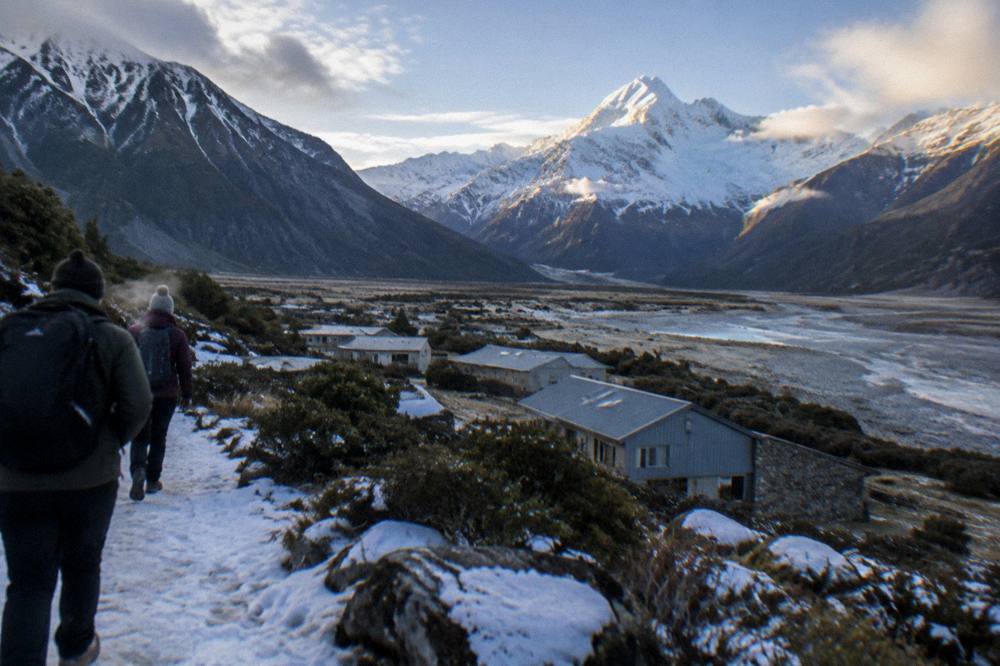
For travellers arriving from Queenstown or Wanaka, the 3.5-hour drive each way makes a ski plane flight a long day trip, though it is done; the day trip with a scenic flight guide weighs that against the coach-and-flight combos that start from Queenstown. Those combos reach Mount Cook without you driving, and both include a snow landing: the Ultimate Alpine Experience even pairs a ski plane with a helicopter, while the heli hike lands you on the Tasman Glacier. The ski plane remains a Mount Cook Airport experience, which is exactly the point of it: the only place in the country, and by the operator's description the only place in the Southern Hemisphere, where a ski plane lands on a glacier year round.
Who Flies The Ski Planes At Mount Cook And What Are The Aircraft Like?
Mount Cook Ski Planes and Helicopters flies the ski planes from Aoraki / Mount Cook, with INFLITE as its group brand. It runs three options: the 45-minute Ski Plane and Helicopter Combo from $277, the 45-minute Glacier Highlights Ski Plane from $397.02, and the Grand Circle Ski Plane, 1 hour 5 minutes, from $453.82. The ski plane pages leave weight limits unstated, though the operator sets 116 kg on its helicopter flights, and boarding takes place at Mount Cook Airport.
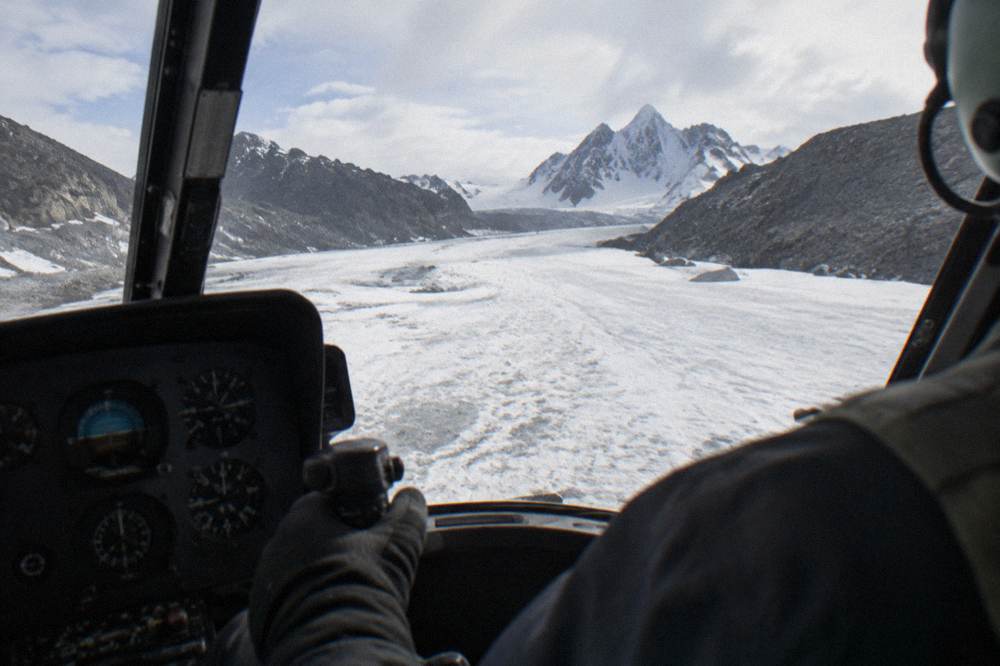
The operator behind every ski plane flight at Aoraki / Mount Cook is Mount Cook Ski Planes and Helicopters, a single company that also uses INFLITE as its group brand. The same team flies the helicopters, which is why the Ski Plane and Helicopter Combo can hand passengers from one aircraft to the other in a single 45-minute outing. Travellers choosing a pure ski plane ride pick between the Glacier Highlights Ski Plane, 45 minutes from $397.02, and the Grand Circle Ski Plane, 1 hour 5 minutes from $453.82, while the combo starts at $277 and carries 378 reviews at 4.7.
A ski plane is a fixed-wing aircraft fitted with skis in place of wheels, built for settling onto glacier snow, and it flies much like any small plane, with a wing rather than rotor blades overhead. Live commentary on board comes with the Glacier Highlights Ski Plane, while the Grand Circle Ski Plane flies with a professional guide. Every option includes 10 to 15 minutes on the snow when a landing goes ahead, and landings on all three are weather permitting, never certain.
None of the three ski plane products states a per-passenger weight limit. Stated limits on flights across the region run from 116 to 200 kg depending on the aircraft, and the operator itself sets 116 kg per passenger on its 25-minute helicopter flight with an alpine landing from Mount Cook Airport. Other operators follow the same pattern of asking heavier passengers to make contact; Air Safaris requests advance advice from anyone over 125 kg and states a 130 kg limit. Anyone at or above 116 kg should confirm the figure for their chosen ski plane before paying.
Boarding takes place at Mount Cook Airport, the aviation base at Aoraki / Mount Cook, and the Ski Plane and Helicopter Combo folds the practical extras into its price: all taxes and fees, free car parking at the Aoraki Mt. Cook Airport and free wi-fi. Hotel pick-up is not stated for any of the three ski plane options, so travellers arrange their own way there. Allow driving margin, as the village sits about 1 hour from Twizel, 1.5 hours from Tekapo and 3.5 hours from Queenstown or Wanaka, and remember that weather can cancel a flight, with fares refunded when that happens.
Common Questions About Ski Plane New Zealand
Where Can You Fly A Ski Plane In New Zealand?
Only at Mount Cook. All ski plane flights covered here depart from Mount Cook Airport on SH80, just before the village. No other ski plane base appears among the flights covered here.
How Much Does A Ski Plane Flight Cost?
From $277.00 per person for the 45-minute ski plane and helicopter combo up to $453.82 for the Grand Circle Ski Plane, a 55-minute flight within 1 hour 5 minutes in total. The 45-minute Glacier Highlights ski plane tour is $397.02 from price. All prices are USD per person.
Does The Ski Plane Land On The Snow?
Yes, on the ski plane products that state it, the aircraft lands on the Tasman Glacier with 10 to 15 minutes on the snow, weather permitting and at the pilot's judgement. The landing site is confirmed on the day.
Is The Ski Plane Cheaper Than The Helicopter At Mount Cook?
Not at the entry level. The cheapest landing flight here with 15 or more reviews is a 25-minute helicopter alpine landing at $194.00 from 530 reviews. The cheapest ski plane product is the $277.00 combo, which includes both aircraft types.
What Is The Weight Limit For A Ski Plane Flight?
The individual weight limit is generally 116 kg, and passengers may be weighed at check-in. Seats are assigned by the pilot for weight and balance and cannot be chosen.
What Happens If The Weather Cancels My Ski Plane Flight?
A weather or operational cancellation by the operator means a full refund or a free reschedule. On your own bookings, free cancellation with a full refund applies up to 24 hours before start per the booking page terms.